
Ever spot a wild canine and wonder if it’s a coyote, a wolf, or maybe just a stray dog? You’re definitely not the only one. At a glance, these animals can look a lot alike, but they’re actually different species with their own quirks.
A coyote isn’t a wolf or a dog, though it’s related to both as part of the Canis family.

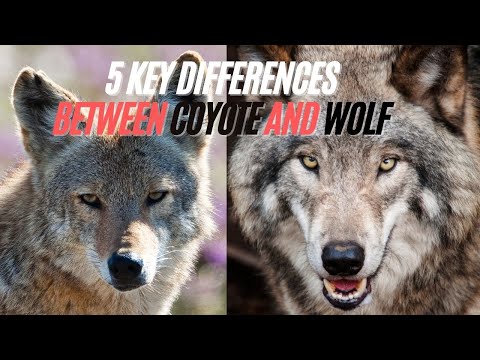
Coyotes are usually smaller and slimmer than wolves. They have pointier ears and narrower faces. Unlike dogs—who’ve been bred by humans for ages—coyotes are wild through and through.
They’ve adapted to life near people, whether that’s in the city or out in the sticks. Spotting the differences can help you tell these animals apart and maybe even appreciate their unique place in nature.
You’ll get a closer look at their features, behaviors, and where they hang out. Next time you hear a howl at night, you might just know who’s calling. Want to dig deeper? Check out this coyote versus wolf differences guide.
Understanding the Relationship: Coyote, Wolf, and Dog
So, how are coyotes, wolves, and dogs connected? They look alike and share a bunch of habits, but what’s the real story?
They all belong to the same family and share a common ancestor. Still, each one carves out its own spot in the animal world.
Their connections come from both history and genetics.
Canidae Family Overview
Coyotes, wolves, and dogs all sit in the Canidae family. This group includes canids like foxes, jackals, and a few others.
Canids have sharp teeth, strong jaws, and often live in packs or social groups.
The main species folks usually wonder about are:
- Coyote (Canis latrans)
- Wolf (Canis lupus)
- Domestic dog (Canis lupus familiaris)
They share a similar body plan but have their own sizes, behaviors, and favorite places to live.
Coyotes are smaller and seem to handle city life better than most. Wolves are bigger and usually stick to wild forests or tundra. Dogs? Well, their looks and habits are all over the place thanks to humans.
Origins and Evolution
These animals started out with a shared ancestor millions of years ago. Wolves and coyotes split off from each other about 1 to 2 million years ago.
Later on, dogs evolved from wolves. Humans began domesticating them at least 15,000 years back—maybe even earlier.
Coyotes mostly evolved in North America. Wolves spread out across North America, Europe, and Asia. Dogs came from wolves that people tamed and bred for different jobs and looks.
Sometimes, coyotes and wolves mix—creating hybrids like the “coywolf.” This happens where their ranges overlap. That mixing can actually help coyotes survive in certain places.
Scientific Classification
Scientific names show just how close these animals are. Here’s a quick look:
| Animal | Genus | Species | Subspecies | Common Name |
|---|---|---|---|---|
| Coyote | Canis | latrans | – | Coyote |
| Wolf | Canis | lupus | lupus | Gray Wolf |
| Domestic Dog | Canis | lupus | familiaris | Dog |
Dogs are actually a subspecies of the wolf. That shows how close they are genetically.
Coyotes are a separate species in the same genus, so they’re like cousins in the family. Sometimes, they can interbreed, but that’s pretty rare in the wild.
If you’re curious about the science, check out these Canidae family genetic studies.
Key Differences Between Coyotes, Wolves, and Dogs

When you compare coyotes, wolves, and dogs, you’ll spot some big differences. Their size, looks, and habits all stand out.
How they act around people—or avoid them—sets them apart, too.
Physical Traits and Appearance
Coyotes are smaller than most wolves or wild dogs. An adult coyote stands about 24 inches at the shoulder and weighs up to 50 pounds.
A gray wolf, on the other hand, can stand 30 inches tall and weigh as much as 175 pounds. Wolves have broader heads and shorter ears.
Coyotes’ faces are narrow and pointed, with longer ears.
Dogs come in all shapes and sizes, from tiny breeds to big, wild-looking ones. Some have short snouts or wide heads, depending on the breed.
Coyotes have thinner fur, usually gray or reddish-brown, which helps them handle heat and dry weather. Wolves wear thick coats in shades from gray to white or black—perfect for cold places.
Behavior and Social Structure
Coyotes often live solo or in pairs, though sometimes they form small family groups. They adapt quickly and use yips, barks, and short howls to talk to each other.
Wolves stick together in packs, usually led by an alpha pair. They hunt big animals like deer as a team.
A wolf pack relies on strong bonds and everyone helps care for the pups.
Dogs act differently depending on whether they’re pets, feral, or somewhere in between. Most dog breeds enjoy being with people or other dogs.
Feral dogs might form loose groups, but they don’t have the strict pecking order you see in wolf packs.
Habitat and Range
Coyotes live all over North America. You’ll find them in cities, suburbs, and the countryside.
Eastern coyotes tend to be bigger and live in forests or near towns. Western coyotes hang out in deserts and grasslands.
Gray wolves prefer wild places like forests and tundra. They usually avoid people.
Red wolves (Canis rufus) are pretty rare and stick to the southeastern U.S., mostly in wetlands and forests.
Dogs usually stay close to humans. Feral dogs roam wild in lots of places, though.
In Australia, dingoes live free in many habitats but still have roots in domesticated dogs.
Domestication and Adaptation
People have lived with dogs for thousands of years. You get their loyalty, their willingness to learn, and their help with hunting or guarding.
Humans shaped dogs’ behavior and appearance to fill all sorts of roles. It’s honestly kind of amazing how much they’ve changed just to fit into our lives.
Coyotes and wolves, on the other hand, still live in the wild. Coyotes seem to handle city life way better than wolves do.
You might even catch a glimpse of a coyote wandering close to neighborhoods. Wolves usually steer clear of people and keep to themselves.
Feral dogs lost a lot of the social and friendly traits that pets show, but they hang onto some wild survival instincts. Dingoes, for example, mix wild and domestic qualities and have adapted pretty well to Australia.
If you notice these differences, you’ll probably understand these animals a bit better—and maybe appreciate their place in nature or at home. There’s more info on their roles and traits at Vet Explains Pets.


