
If you spot a coyote nearby, you might feel like running. But honestly, that’s not a great idea.
Coyotes see running as a sign you’re prey, and that can trigger their chase instinct. It’s better to stay calm and stand your ground if you want to keep things safe.

Most coyotes avoid people. When they lose that fear, though, they start acting a lot bolder.
If you don’t run, you show the coyote you’re not easy to chase or scare. That discourages them from getting closer or acting aggressive.
Knowing this simple behavior can help you feel more in control if you ever meet a coyote.
Why You Should Not Run Away From a Coyote
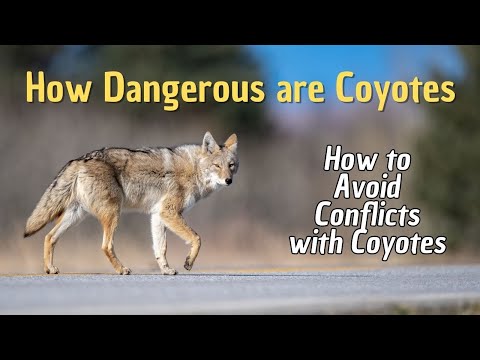
When you see a coyote, staying calm and in control really matters. If you run, you can make the coyote think you’re prey, and that just makes things worse.
There are safer ways to protect yourself that don’t make the animal more aggressive or curious.
Coyote Predatory Instincts Triggered by Running
Coyotes hunt, and chasing moving targets is just in their nature. If you run, they might decide you’re prey.
That can set off their instinct to chase. Running also makes you look weak, like an easy snack.
Coyotes don’t usually go after people for no reason, but running can provoke them. Instead, stand tall, face the coyote, and make yourself look big.
You show confidence, and that might stop the animal from chasing you.
Risks of Escalating Coyote Conflicts
When coyotes lose their fear of humans, things can get risky. Running might encourage them to see people as playthings or even food.
That increases the chance of coyote attacks, especially for kids or pets. A coyote that approaches without fear is likely to cause more trouble.
Yell, wave your arms, or toss something near the coyote to scare it off. But if you run, you just encourage it to keep coming after you.
Safer Alternatives to Running Away
If a coyote comes close, stand your ground and make loud noises—shout or clap if you need to. Wave your arms to look bigger and more threatening.
You can throw sticks or small objects near (not at) the animal. If you need to back away, do it slowly and keep eye contact.
Don’t turn your back or run, since that can start a chase. Carry a whistle or a can with rocks if you want a little extra help scaring coyotes off.
These actions let the coyote know you’re a threat, not prey. That makes it more likely to leave you alone.
For more tips, check out how to handle coyote conflicts.
How to Respond Safely to Coyote Encounters

If you see a coyote, staying calm and confident goes a long way. Make yourself look big and loud so the coyote knows you’re not prey.
It helps to know how to scare coyotes safely, spot warning signs, and keep your pets safe too.
Effective Hazing Techniques
Hazing means using noise and actions to make coyotes feel unwelcome. Shout, wave your arms, or toss small objects near (not at) the coyote.
A can filled with rocks makes a good noisemaker. These tricks keep coyotes cautious around people.
Always stand your ground and don’t run—running makes you look like prey. If you’ve got pepper spray, it might help, but honestly, it’s not a sure thing.
Hazing teaches coyotes to keep their distance without hurting them. That’s safer for everyone.
Recognizing Aggressive and Rabid Coyotes
Most coyotes stay away from people, but some act aggressive or sick. Watch for growling, snarling, lunging, or barking for no reason.
Those are signs the coyote feels threatened or could be dangerous. A rabid coyote might stumble, act confused, or seem oddly tame.
If you see this, stay far away and call animal control or wildlife officials right away. Don’t try to approach aggressive or sick coyotes.
Your safety comes first.
Special Considerations During Coyote Breeding and Pup-Rearing Seasons
During breeding season (January to March) and pup-rearing (May to July), coyotes get more protective. They defend their territory more strongly.
If you see a coyote near dens or pups, it’s best to avoid the area. Coyotes usually give warning signs before acting—growling, standing tall, or looking alert.
Respect those signs to avoid trouble. Changing your walking route during these months can help you steer clear of a close encounter.
Knowing these seasonal habits helps you stay safe and respect wildlife.
Protecting Pets and Using Coyote Rollers
Keep your pets on a short leash, especially if you’re anywhere near coyote habitats.
Don’t leave small pets outside alone. Coyotes often spot small animals as easy targets, so sticking close to your pet really matters.
If you’ve got a yard, think about putting a coyote roller on your fences. These bars spin when touched and make it tough for coyotes to climb over.
A fence that’s more than six feet tall with a roller on top works surprisingly well.
Simple steps like these can make a real difference in keeping your pets safe and discouraging coyotes from coming around.


