
Ever wondered, can I touch a coyote? The short answer: definitely not. Coyotes are wild animals, and it’s best to respect their space—getting close can put both you and the coyote at risk.
They’ve got strong instincts and usually avoid people. If you try to touch one, you could get bitten or hurt, and honestly, that’s just not worth it.

Coyotes live all over, sometimes right next to neighborhoods. You might spot one and feel curious, but don’t forget—they’re not pets.
Learning how to stay safe around coyotes helps protect everyone, including the animals.
Dangers of Touching a Coyote
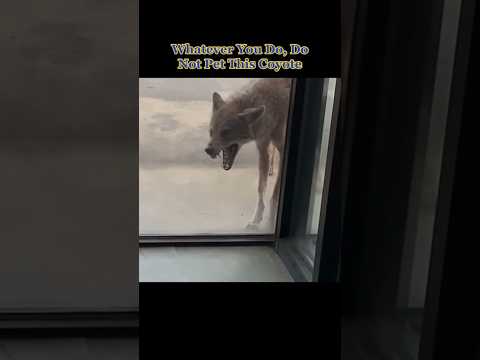
Touching a coyote just isn’t safe. Wild animals like coyotes can react in ways you don’t expect.
You risk getting hurt, catching a disease, or misreading their behavior. It helps to know the warning signs and why you really shouldn’t get close.
Risk of Coyote Attacks
Coyotes can get aggressive if they feel threatened. Attacks on adults rarely happen, but they’re still possible, especially if a coyote feels cornered or wants to protect its pups.
Children and small pets face more danger since coyotes see them as easy targets. If a coyote feels trapped, it might bite or scratch.
When coyotes attack, they usually warn you first—growling or lunging. If you see one, don’t make sudden moves.
Keep eye contact and back away slowly. Never try to touch or feed a coyote; that just makes them lose their fear of people and increases the risk of attacks.
For more on staying safe, check out coyote attack info at USA Today.
Disease Transmission Concerns
Coyotes carry diseases that can spread to humans through bites or scratches. Rabies is the big one—it’s deadly if you don’t get treatment fast.
They also pick up parasites like ticks, fleas, and worms. Touching a coyote raises your risk of catching something you really don’t want.
Even if a coyote looks healthy, it could still carry diseases. Stay away to protect yourself and your pets.
If you get bitten or scratched, wash the wound right away and see a doctor. Let health officials know what happened so they can check for rabies or other infections.
Understanding Coyote Behavior
Coyotes usually act shy and avoid people. They come out mostly at night and only get close if there’s food left out or if they feel safe.
They read your body language pretty well. If you move calmly and confidently, they’ll probably just move on.
Feeding or trying to pet a coyote changes how they act. It can make them bold, which leads to trouble later.
Give them space and don’t approach. Want to learn more about their habits? There’s a good guide on coyote behavior here.
Coyote Aggression Warning Signs
You should know when a coyote might get aggressive. Watch for growling, snarling, raised fur, staring, or lunging.
If you see these, don’t run or turn away. Stand tall, shout, wave your arms, and toss something near—but not at—the coyote.
This lets them know you’re not easy prey. Aggression happens more during breeding season, January through March, when males get territorial.
Be extra careful in those months if you live near coyotes. You can find more about warning signs at AZ Animals.
How to Respond to Coyote Encounters Safely

If you spot a coyote nearby, try not to panic. Staying calm keeps you, your pets, and your kids safer.
You’ll want to make yourself look bigger, avoid running, and use noise to scare it away. Knowing what to do lowers the chance of a bad encounter and helps keep coyotes wary of people.
Steps to Take If Approached by a Coyote
When a coyote comes toward you, don’t run or turn away. Stand tall and back up slowly, keeping your eyes on the coyote.
Make yourself look bigger—raise your arms or open your jacket wide. If you’ve got a backpack or stick, use it to add to your size.
Get loud. Shout, clap, or stomp your feet. Toss small things near the coyote to spook it, but don’t actually aim for it.
If the coyote keeps coming, get even louder and make yourself look as big as possible. This kind of hazing teaches coyotes to avoid people.
Here’s more about what to do if a coyote approaches.
Protecting Pets and Children
Always keep pets on a leash, especially around dawn and dusk when coyotes are out more. Don’t leave small pets outside alone, even in fenced yards.
If you see a coyote, pick up small kids right away. Teach them to stand tall and make noise—running can trigger chasing.
Use secure enclosures for outdoor pets or livestock, with fences at least six feet high and buried so coyotes can’t dig under.
Pick up pet food and supervise animals during walks. These steps help keep everyone safe and discourage coyotes from hanging around.
Tips for Deterring Urban Coyotes
Urban coyotes wander around homes looking for food and shelter. If you pick up pet food bowls after feeding and snap tight lids on your trash cans, you’ll make your place less appealing.
Try motion-activated gadgets—they’re surprisingly effective. Lights that flick on, noise alarms, or sprinklers that blast water when something moves can really startle coyotes.
Don’t forget to clear fallen fruit or spilled birdseed from your yard. Coyotes love easy snacks, so the less you leave out, the better.
Mixing up deterrents—lights, sounds, a bit of water—usually works best. If you want more ideas, check out essential safety advice on coyotes.


