
Coyotes eat little dogs mostly because small dogs just seem like easy prey. As natural hunters, coyotes go after animals that are easier to catch, especially when their usual food runs low.
Small dogs really fit this description, so they’re more at risk if you leave them outside alone.

Coyotes don’t usually hunt dogs the way they hunt wild animals, but they’ll absolutely take advantage of a good opportunity. If your little dog is outside without supervision—especially at dawn, dusk, or during the night—a coyote might see it as an easy meal.
If you understand why coyotes target small dogs, you can keep your pet safer. Knowing when coyotes are most active and keeping your dog close helps reduce the risk.
For more, see tips on why coyotes eat small dogs and how to keep your dog safe.
Why Coyotes Eat Little Dogs
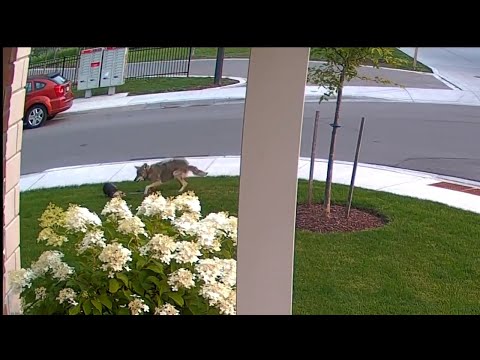
Coyotes see small dogs as easy prey because of their size and how they act. They need food, their habitats keep changing, and their hunting habits just make them notice little dogs.
Coyote Predatory Instincts
Coyotes are born hunters. They usually chase small animals like rabbits, rodents, and birds—creatures that are about the same size as small dogs.
Little dogs often look like normal prey to them. Coyotes hunt mostly at dawn, dusk, or night when fewer people are around.
They stay cautious around humans but won’t pass up an easy meal if your dog is outside alone. Their instinct is to chase animals that move quickly and quietly.
Oddly enough, a small, calm dog might attract even more attention. This behavior means you should always keep an eye on your small dog, especially when coyotes are most active.
Coyote Diet and Urban Adaptation
Coyotes in cities and suburbs have changed their diet as wild habitats disappear. When natural food gets scarce, they look for other sources, like small pets.
They eat whatever they can catch. If food is limited, they might try for your small dog.
Pet food left outside or even your dog’s waste can attract them. Coyotes avoid larger dogs or groups of dogs, but small dogs under 50 pounds are easy targets when food is tough to find.
That’s why it’s smart to keep pet food indoors.
Factors That Attract Coyotes to Small Dogs
A few things can put your small dog at risk. Leaving your dog outside alone, especially if tied up, makes it simple for a coyote to attack.
Some dog breeds that are quiet, fast, or move like prey catch a coyote’s eye. Living near parks, woods, or wild spaces means you might see more coyote activity, too.
Open trash cans, compost piles, or leftover pet food can pull coyotes closer to your yard. If coyotes find easy food sources near your home, they might stick around and get bolder.
Typical Scenarios and Timing of Coyote Attacks
Most coyote attacks happen when small dogs are left outside alone during early morning, late evening, or nighttime hours. That’s when coyotes do most of their hunting.
Coyotes get territorial from January to March while protecting their young. If your dog wanders too close, they might see it as a threat.
Attacks on small dogs usually happen in yards, near trails, or around quiet neighborhoods. Coyotes rarely hunt in packs and try to avoid people, but they won’t hesitate if your dog is unattended at the wrong time.
To protect your small dog, avoid unsupervised outdoor time during coyote hours. Keep your dog on a short leash during walks.
For more on protecting your dog, visit why coyotes eat dogs.
How to Protect Small Dogs from Coyotes

Keeping small dogs safe means you need to take a few steps to lower their risk when they’re outside. Make sure your yard is secure, stay careful during walks, and use tools to keep coyotes away.
These actions work best together.
Securing Your Yard and Home
Start by putting up a fence that’s at least 6 feet tall. Bury the fence about 18 inches underground because coyotes can dig.
Add a coyote roller on top—it spins when coyotes try to climb, making it tricky for them. Use motion sensor lights around your yard.
Sudden lights can scare coyotes, especially at night. Keep pet food, garbage, and fallen fruit locked up or put away.
Those things attract coyotes and other animals. Don’t leave your small dog outside alone, even in a fenced yard.
Coyotes can get bold at night or during dawn and dusk. Check for local coyote sightings and stay extra alert if people have seen them nearby.
Best Practices During Walks and Outdoor Play
Always keep your small dog on a short leash when outside. Coyotes usually avoid people, but if they see a loose dog, they might go for it.
Try to walk during daylight hours since coyotes come out more at dawn, dusk, and night. Training your dog with a strong recall command is important.
If a coyote appears, you want your dog to come back right away. Stay alert and carry noisemakers like whistles or an air horn to scare off coyotes if you need to.
If your dog plays outside, stay close. Don’t let your dog wander or explore places where coyotes could hide.
Use a coyote vest with spikes if your dog is small—it can help prevent bites during an attack.
Effective Coyote Deterrents and Tools
The right tools can actually help you keep coyotes off your property and away from your dog. Fencing and lights are helpful, but hazing methods work too.
Try making loud noises, waving your arms, or tossing small sticks near coyotes to scare them off. It might feel a little silly, but it usually does the trick.
You might want to install a coyote roller on your fences. Setting up motion sensor lights helps too.
Both of these together can block coyotes physically and startle them visually. I’d also suggest keeping your yard clean—get rid of anything with strong smells, like pet food or trash.
Check for coyote sightings through local wildlife alerts or community groups. If you know coyotes are nearby, take extra care with your dog.
Being ready with deterrents makes a big difference. Staying prepared really does help keep your small dog safe.


