
Coyotes get a bad rap for being aggressive, but honestly, the truth is a bit more balanced than people realize. Most coyotes act shy around humans and do their best to avoid us. Attacks on people are pretty rare.
Usually, they only get aggressive if they feel threatened or want to protect their young.
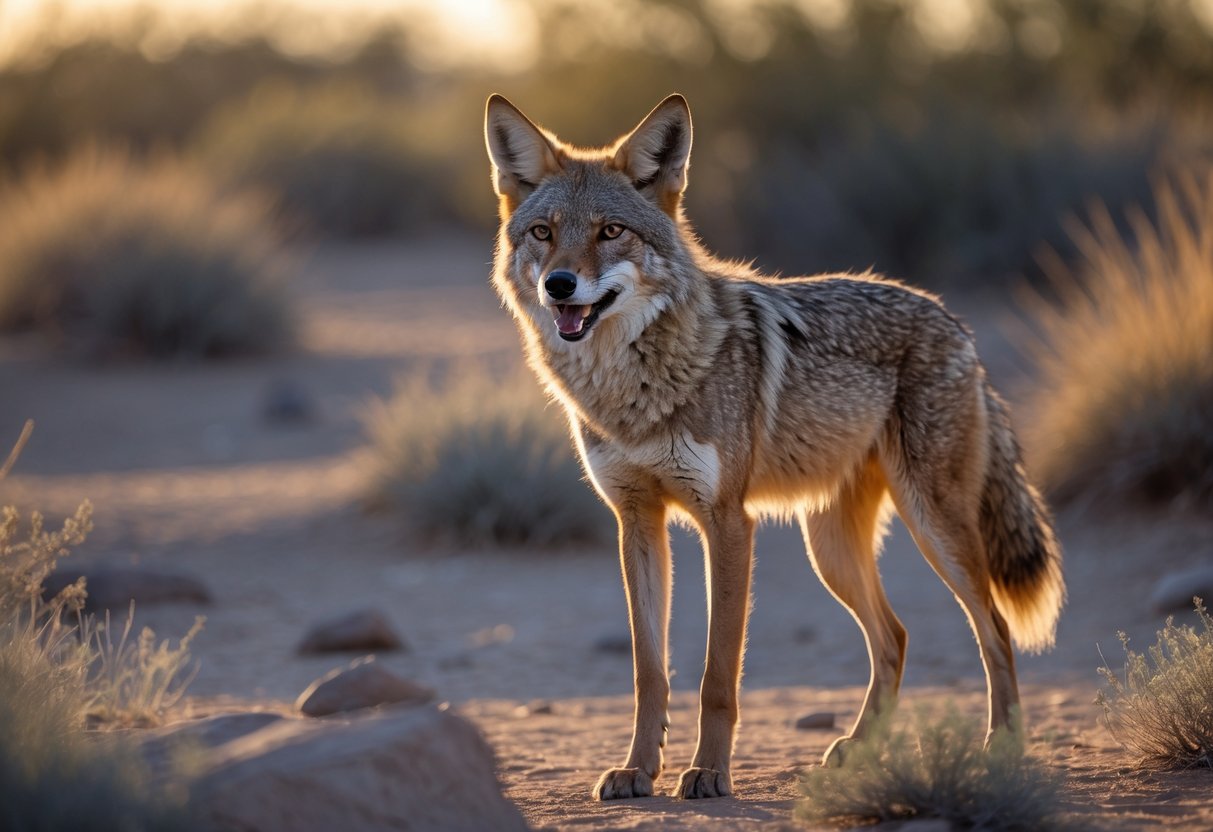
Most coyotes will keep their distance, but it helps to know when they might act differently. If you understand their behavior, you can keep yourself and your pets safer.
Learning more about coyotes might even ease some of those worries about living near them.
Are Coyotes Aggressive Toward Humans?
Coyotes usually just want to avoid people. They don’t want trouble.
But sometimes, under certain conditions, they can show aggression. It’s good to know when coyotes might act differently, just in case you cross paths with one.
Natural Behavior Versus Aggression
Coyotes tend to be shy. Most of them want nothing to do with humans.
You’ll usually spot them at night, and they stick to quiet places during the day. Aggression isn’t really in their nature when it comes to people.
If a coyote growls or bares its teeth, it probably feels trapped or scared. That’s more of a warning than a real attack.
Sometimes, a coyote might act bold or even follow someone. Usually, that happens if it’s been fed by people or has found food near homes.
Rare Cases of Coyote Attacks on Humans
Actual attacks on humans? Super rare. When it does happen, the coyote probably feels threatened or is trying to protect its pups.
There are a few recorded cases, but none have been fatal. Children and small pets face more risk, since coyotes might see them as prey.
Most incidents happen in neighborhoods where coyotes live close to people. Keeping an eye on your surroundings and staying close to your pets can help prevent trouble.
Factors That Increase Coyote Aggression
Some things make coyotes more likely to act aggressively. Feeding them is a big one—it makes them lose their fear of humans and get bolder.
Sick or injured coyotes can act strangely, too. If you see one stumbling around or acting way too bold, that’s a red flag.
Environmental stuff matters as well. If there’s not much wild food or if there are lots of people around, coyotes might get more aggressive while searching for something to eat.
If you spot a coyote acting weird or aggressive, call local animal control. You can find more safety tips here: coyote attacks on humans.
When and Why Coyotes Show Aggressive Behavior

Coyotes usually stay away from people, but sometimes their behavior shifts. If you know why coyotes get aggressive, you can avoid bad encounters.
Aggression often pops up during certain seasons, in urban areas, or when the animal isn’t healthy.
Seasonal Aggression: Mating and Pup Protection
Coyotes get more aggressive during mating season and when they’re protecting pups. That’s usually late winter and spring.
Female coyotes will fiercely guard their young from anything they see as a threat, even pets. Your smaller animals could be at risk if you leave them outside, especially at night.
Males get more territorial too, trying to defend their space. You might notice more coyote activity since they’re hunting more to feed their pups.
If you live near woods or fields, be extra careful when walking pets during these months. Keeping pets inside or on a leash really helps.
Impact of Urban Environments on Coyote Behavior
Urban coyotes don’t always act like their wild cousins. When they find easy food—like trash, pet food, or birdseed—they can lose their fear of people.
That’s when you might see bold or aggressive behavior, because neighborhoods become food sources. Leaving pet food outside or feeding wildlife just encourages coyotes to stick around.
To keep them away, secure your garbage, bring in pet food bowls, and clear out thick bushes where coyotes might hide. If a coyote approaches, don’t run—make noise or wave your arms to scare it off.
Seeing more coyotes doesn’t always mean they’re aggressive, but if one keeps coming close, it’s smart to let animal control or a wildlife trapper know.
Health Issues and Rabies-Related Aggression
Some coyotes act aggressively because of health problems, not just normal instincts. Take rabies, for example—it can turn a usually shy animal into something unpredictable and oddly fearless around people.
If you spot a coyote doing weird things, like stumbling, drooling a lot, or even attacking out of nowhere, just back away. Call animal control or a wildlife trapper right away—they know how to deal with this stuff.
Healthy coyotes usually steer clear of humans. So, if one suddenly acts aggressive, it might be sick. Don’t try to handle the situation yourself. Keeping your pets vaccinated and away from wild animals goes a long way in keeping them safe from diseases, too.


