
Coyotes can look intimidating, especially if you spot one near your backyard or on a late-night walk. It’s natural to wonder if they’re vicious animals just waiting to attack. Honestly, coyotes aren’t vicious toward people—attacks on humans almost never happen.

Coyotes are wild, sure, and they can pose a danger to small pets or kids if given the chance. But most of the time, they really just want to steer clear of humans.
If you know what to do when you see a coyote, you can keep your family and pets safe without panicking. Just a little know-how goes a long way.
Curious about how coyotes behave and how you can coexist with them? Stick around. Knowing more about these animals might help you feel a bit more at ease when they wander by.
Are Coyotes Vicious or Dangerous Animals?

Coyotes act wild, and yes, they can be dangerous in certain situations. Still, most of them feel shy around people and try to stay out of our way.
You almost never hear about coyotes attacking humans. The bigger danger is to pets, especially little dogs or cats. If you understand what makes them tick and what might set them off, you can avoid problems.
Coyote Behavior and Aggression
Coyotes prefer to be out and about at night. They usually keep their distance from people and come out when things quiet down.
They hunt small animals for food, but they also eat plants now and then. Coyotes can be curious, but they aren’t naturally aggressive toward humans.
If you corner or threaten a coyote, it might growl or bark. But coyotes usually only act aggressive if they’re scared or protecting their pups or territory.
You can lower your risk by never feeding them or leaving food outside. That just invites trouble.
Coyote Attacks on Humans and Pets
Coyote attacks on people? Extremely rare. When they do happen, it’s almost always with children.
Small pets face more risk since coyotes see them as prey. If you want to keep your pets safe, bring them inside or keep a close eye on them, especially early in the morning, at dusk, or after dark.
Fences and repellents can make your yard less appealing to coyotes. If you spot a coyote nearby, stay calm, keep eye contact, and slowly head toward a place with more people.
Factors That Increase Coyote Aggressiveness
Some things can make coyotes act bolder. Feeding them or leaving trash outside teaches them that people mean easy food.
When coyotes lose their fear of humans, they might start hanging around neighborhoods. Urban spots with hiding places make it even easier for them.
If you see a coyote getting too comfortable, try scaring it off by shouting or tossing something nearby (not at it). That usually reminds them to keep their distance.
If a coyote sticks around or acts aggressive, call animal control for help.
For more safety tips about coyote behavior and attacks, visit How dangerous are coyotes? Attacks against adults are rare, but kids …
Typical Encounters and Safety Tips Around Coyotes
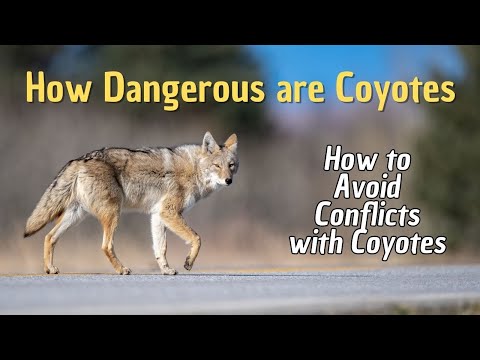
Coyotes usually avoid people, but sometimes you’ll see one in a city or neighborhood. It’s important to know how to react and keep yourself and your pets safe.
Paying attention to how coyotes behave can help you steer clear of any trouble.
Coyote Encounters in Urban Areas
In cities and suburbs, coyotes often hang out near parks or green spaces, hunting rabbits and rodents. Sometimes, they wander closer to homes looking for food or a place to hide.
If you see a coyote, keep your distance and stay calm. Most of them run off as soon as they notice you.
If a coyote seems bold or doesn’t leave, it may have lost its fear of people. Feeding coyotes or leaving food outside can cause this.
Never feed or try to approach coyotes. Making them comfortable around people just leads to problems down the road.
Responding to Coyote Sightings
If you spot a coyote, keep your eyes on it and slowly back away toward a busier or brighter area.
Don’t turn your back or run—quick moves might make the coyote want to chase.
If a coyote approaches you or your pet, try to scare it off by:
- Shouting loudly
- Waving your arms
- Throwing small objects near (not at) the animal
Make yourself look bigger and stand your ground. Most coyotes get the message and leave.
If coyotes keep popping up near your home, it’s time to call animal control or local wildlife authorities.
Prevention and Protecting Pets
You really want to keep your pets safe, especially during dawn, dusk, and nighttime. That’s when coyotes tend to roam around the most.
Try to supervise your small pets when they’re outside. If you’re taking them for a walk, just keep them on a leash—better safe than sorry, right?
Don’t leave pet food or trash sitting around outside. Coyotes notice that stuff. Make sure you secure your garbage cans, and pick up any fallen fruit or scraps in your yard.
A fence that’s at least 6 feet tall can make a big difference in keeping coyotes out. Some folks also use animal repellents or noise devices, just for a little extra peace of mind.
If you want more tips or want to know how coyotes act in cities, check out this guide to staying safe around coyotes.


