
The myth of the coyote runs through so many Native American tribes. People tell stories about this clever, tricky animal who always seems to get into trouble, but somehow manages to teach big lessons along the way.
Coyote acts as both a creator and a trickster, shaping the world and showing what happens when you give in to greed or carelessness. These stories help explain why life works the way it does—and honestly, why things just are the way they are.
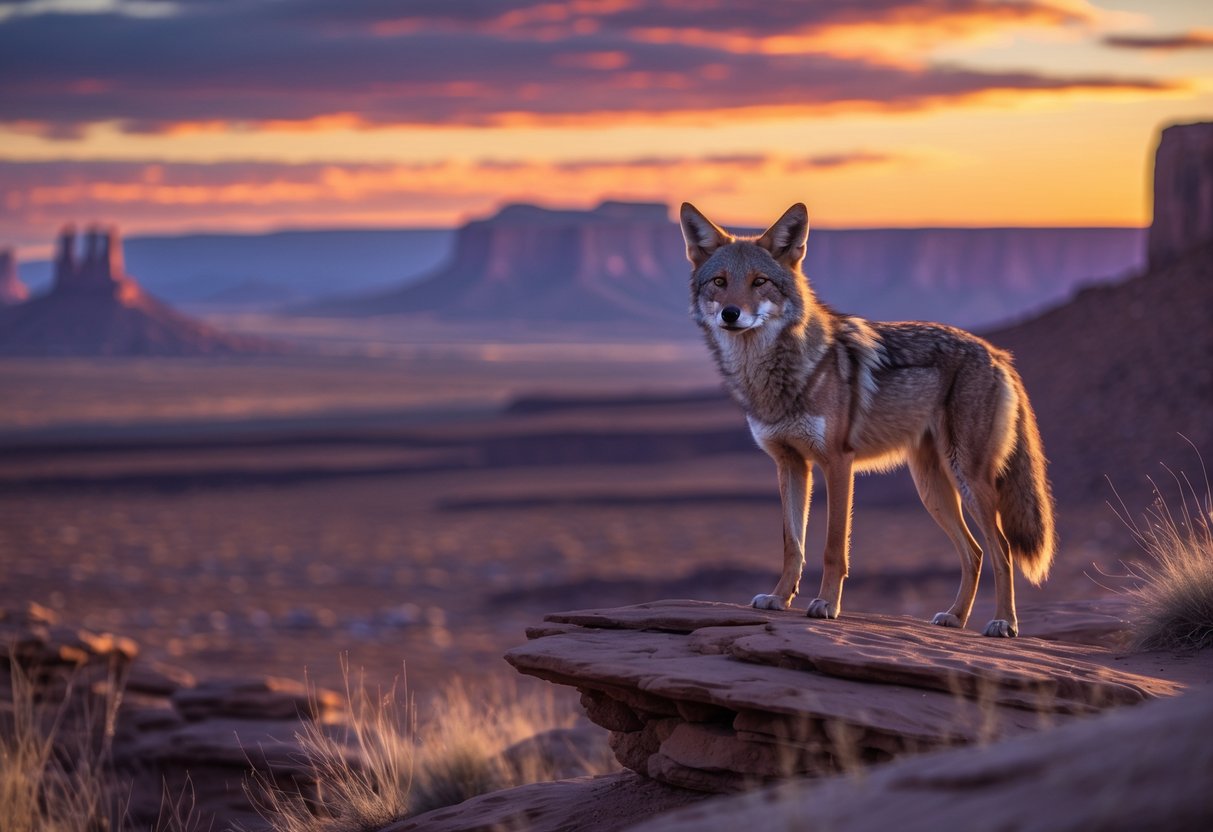
The coyote’s character? Full of surprises. Sometimes he helps people out, bringing fire or even daylight.
But then he’ll cause chaos with one of his tricks before things settle down again. That mix of wisdom and wild mistakes makes coyote a figure you just can’t forget.
Learning about coyote myths isn’t just about old tales. It’s a way to get what different Native American cultures value and believe.
If you’re curious how stories passed down for generations still connect to life today, keep reading about this fascinating coyote. There are more details in these stories about coyote in Native American folklore.
Coyote as the Trickster Figure in Native American Mythology

Take a closer look at Native American mythology, and you’ll see coyote showing up in all sorts of roles. He’s clever, funny, sometimes foolish, but always important.
Different tribes see coyote in their own way. You’ll notice his cleverness, his wisdom, and the lessons that come out of his stories.
Role of the Coyote in Various Tribes
You’ll hear coyote stories from tribes like the Navajo, Nez Perce, Sioux, and Pueblo. In Navajo culture, coyote acts as a tricky figure and plays a big part in creation tales.
He can be a helper, but he’s definitely a troublemaker too.
Nez Perce stories show coyote using his smarts to solve problems. Sioux stories have coyote challenging the rules, and teaching lessons through his antics.
Pueblo tribes connect coyote to the Coyote Clan, symbolizing survival and adaptability.
So, coyote’s role changes from tribe to tribe, but he always helps explain nature and human behavior. That’s a pretty big job.
Cunning, Wisdom, and Transformation
People know coyote for being smart and sneaky. His tricks don’t always go as planned, but they show both wisdom and foolishness.
Coyote’s cunning isn’t just about fun—he often teaches life skills.
You might see him outsmarting other animals to help humans, or bringing gifts like fire. But sometimes, his tricks just cause problems.
It’s a reminder: cleverness has limits. Through his adventures, coyote shows the power of change and transformation.
That blend of wisdom and trickery gives you a glimpse into how Native tribes valued intelligence, but knew it needed to be used carefully.
Lessons and Morals in Coyote Stories
When you listen to coyote stories, you’re getting more than a laugh. These tales usually end with lessons about balance, respect, and consequences.
You’ll hear warnings about selfishness or greed, and gentle reminders about helping others.
Stories like these show that being too clever can backfire. Still, learning from mistakes makes you stronger.
They also highlight how important community is, and why living in harmony with nature matters so much in Native traditions.
Comparison to Other World Tricksters
If you compare coyote to tricksters from other cultures, you’ll spot some common threads. He’s a bit like Loki from Norse myths, or the African Anansi spider—part troublemaker, part teacher.
But coyote’s stories are tied more closely to nature and survival. That’s a bit different from some tricksters who are just mischievous for the fun of it.
Coyote’s tales mix humor with real lessons. That’s what makes him unique, and why he shapes the culture around him.
Looking at coyote alongside other tricksters, it’s pretty obvious why he still matters in Native American culture—and honestly, beyond it too.
If you want to dig deeper, check out this Trickster God Coyote in Native American Mythology and stories about the Native American Trickster, Creator, And Sacred Animal.
Creation, Transformation, and Key Themes in Coyote Myths

Coyote pops up in a lot of stories about how the world began and how things change. His cleverness, fire, and spirit shape these myths in surprising ways.
Coyote’s impact isn’t just in old stories. He’s still a part of culture, music, and identity, especially for Native American peoples.
Coyote in Creation Myths and the Gift of Fire
In Native American and Aztec creation myths, coyote plays a huge part. He acts as a creator and a trickster, bringing both life and chaos.
One famous tale says coyote stole fire from the gods or other animals, then shared it with humans. That gift changed everything—suddenly, people had warmth, light, and a way to cook food.
Coyote’s clever actions show how trickery can sometimes lead to good, even if things get messy along the way. His role as fire-bringer highlights why he’s so important in stories about how the world and humanity survive.
Creation and transformation really come together here, showing just how deep coyote’s impact runs in myths about the start of life and civilization (coyote and the gift of fire).
Notable Coyote Stories: Shadow People and Other Tales
Some stories link coyote with mysterious beings called shadow people—spirits or shapes that can change form. These tales highlight coyote’s skill with transformation and his connection to both the natural and supernatural worlds.
You’ll mostly hear these stories in Navajo and other Native American mythologies, where coyote acts as a bridge between the spirit world and humans.
Other well-known stories say coyote created animals or taught humans big lessons by tricking others. For example, in some myths, coyote gathers animals to debate what traits humans should have, causing changes and even a little chaos.
Stories like these teach about balance, survival, and the double-edged nature of cleverness and foolishness (coyote and transformation)..
The Coyote’s Influence on Culture, Music, and Identity
The coyote’s influence goes way beyond old myths—it sneaks right into daily culture and the arts. Many Native American groups honor the coyote in music, dance, and storytelling.
They use its image to explore survival, adaptability, and a good dose of humor. You might catch a song or watch a dance that brings out the coyote’s trickster side, nudging you to question the rules and stay sharp.
Today, descendants of Aztec and Native American peoples still turn to the coyote as a symbol of identity. For them, it stands for freedom, change, and resilience when things get tough.
The coyote keeps a thread between past and present, showing that these old stories still shape culture and personal growth (coyote’s cultural role).


