
Ever wondered if coyotes can mate with dogs? You’re definitely not the only one. These animals look a lot alike and share the same family tree, so the question pops up pretty often.
The short answer? Yes—coyotes and dogs can mate and have offspring, called coydogs.
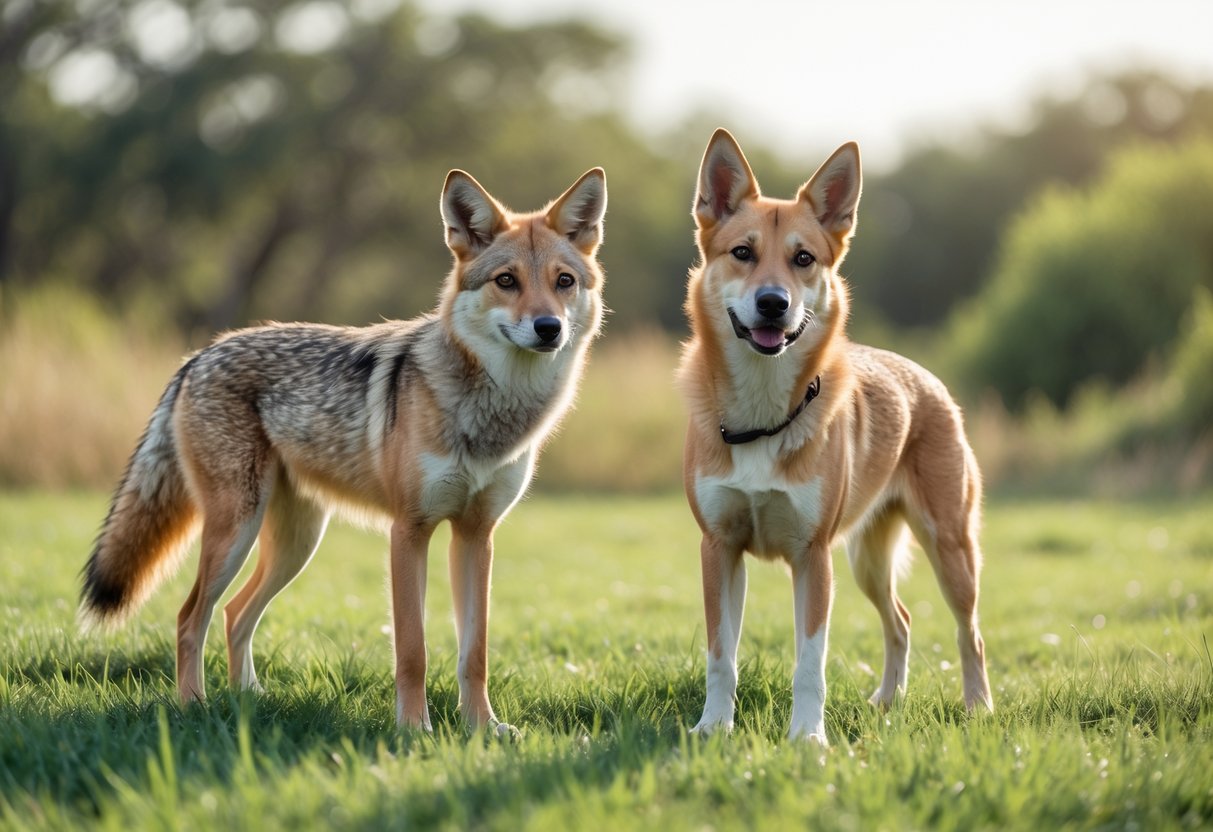
But even though it’s technically possible, it rarely happens in the wild. Their breeding seasons don’t line up, and their behaviors usually keep them apart.
If you’re a dog owner or just someone who’s curious about wildlife, it’s worth knowing what makes these hybrids unique and why you probably won’t see one in your neighborhood.
Coyote and Dog Mating: Possibility and Biological Barriers

Coyotes and dogs share a lot, but you won’t find them mating very often. Biology, timing, and how they act all play a role in whether they actually produce pups together.
You’ll sometimes find hybrids when these factors line up just right.
Genetic Compatibility and Hybridization
Coyotes (Canis latrans) and domestic dogs (Canis lupus familiaris) both belong to the Canidae family. They’ve got the same chromosome count, so interbreeding works.
When a coyote and a dog mate, the pups get called coydogs (or sometimes dogotes if the dad’s the coyote).
These hybrids pick up traits from each parent. Maybe you’ll see coyote-like pointed ears, but with a dog’s coat pattern or size.
They can have pups of their own too, since their genetics match up closely enough.
But that wild/domestic gene mix? It can make for some odd behaviors. Some coydogs act shy, others might be aggressive—it’s a real grab bag.
Differences in Breeding Seasons and Mating Behavior
One big hurdle is timing. Coyotes breed mostly from January to March, aiming for pups in the warmer months.
Dogs can go into heat a few times a year, so they’re ready to mate way more often than coyotes. The odds that both line up at the same time are pretty slim.
Coyotes also act differently when it comes to mating. They usually stick with their own kind and form close bonds.
When a coyote and dog do mate, it’s usually just the mom raising the pups. That makes life a lot tougher for the hybrids.
Frequency of Hybrid Offspring in Wild Populations
Coydog hybrids almost never show up in wild populations. Coyotes usually choose other coyotes as mates.
You might see hybrids pop up where coyotes move into new territory or when there aren’t many coyotes around and dogs are running loose.
Sometimes people breed hybrids on purpose, but that’s pretty rare and usually not allowed by law.
Factors Influencing Interspecies Mating
A few things can make coyote-dog pairings more likely:
- Population density: If there are way more coyotes than dogs (or the other way around), hybrids might happen.
- Environment: Urban areas and wild spaces affect how often coyotes and dogs cross paths.
- Behavior: Coyotes usually avoid dogs, but free-roaming dogs might approach coyotes.
- Size and breed: Bigger breeds like German Shepherds or Huskies are more likely to mate with coyotes, especially if they wander near wild places.
If you look at these factors, it’s pretty clear why coyote-dog hybrids are rare and why they can look or act so differently from either parent.
Check out more details on coyote-dog mating and hybridization if you’re curious.
Traits, Ethics, and Management of Coydog Hybrids
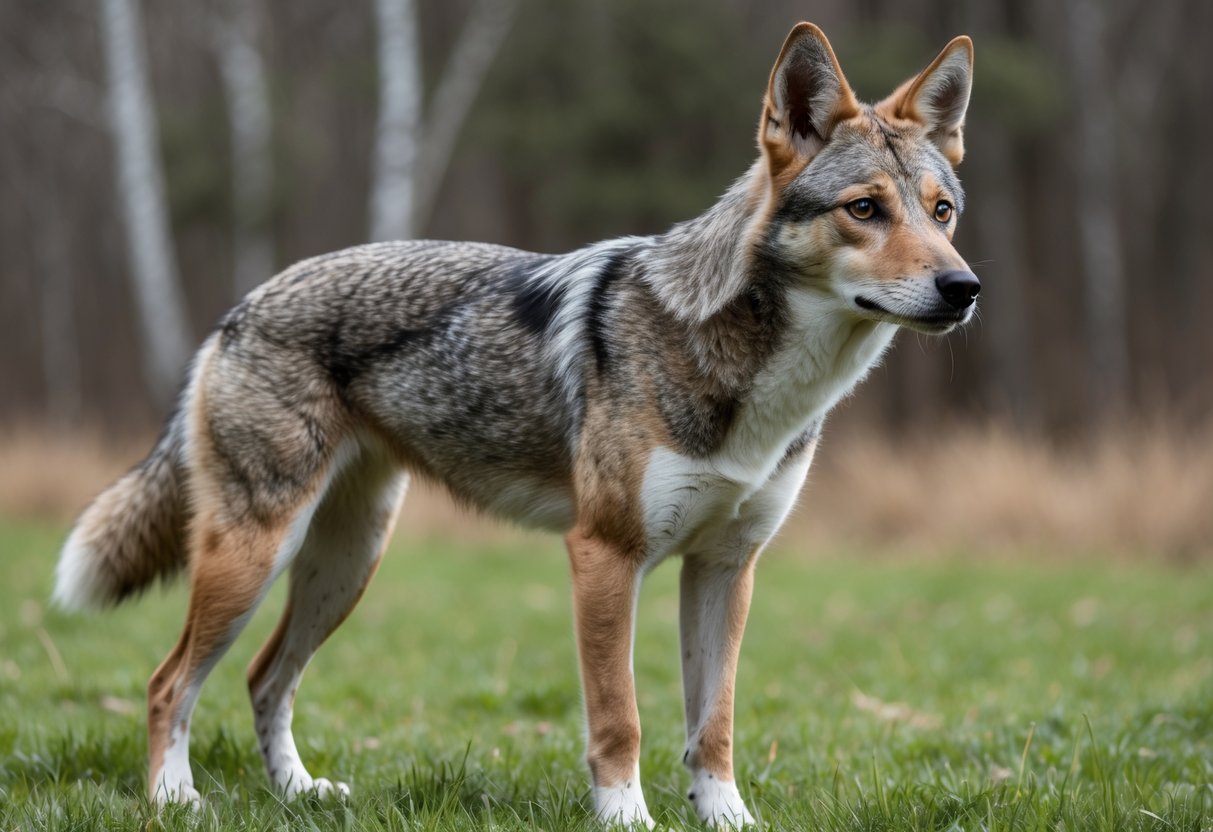
Coydogs show a real mix of coyote and dog traits. Their behavior can be unpredictable, which makes managing them a challenge.
If you’ve got pets or just care about local wildlife, you should know about the health risks and legal questions that come with these hybrids.
Physical and Behavioral Characteristics of Coydog Hybrids
Coydogs usually end up about medium-sized, blending a coyote’s build with some dog-like touches. Their coats can look wildly different—from classic coyote colors to all sorts of dog patterns.
Behavior-wise, they might not be as shy as wild coyotes, but they can be more aggressive or stubborn than most dogs. You might spot pack instincts and territorial habits.
They tend to have a strong prey drive and can be unpredictable, with social quirks you don’t always see in regular dogs.
Because of all this, coydogs need more attention than your average dog or even a wild coyote.
Risks to Domestic Animals and Disease Concerns
Coydogs can carry diseases like rabies, distemper, and parvovirus. These can spread to both pets and wild animals.
If a coydog comes into contact with your dog, there’s a real risk of disease transmission.
Hybrid populations can also make wildlife management trickier. They blur the genetic lines, which isn’t always great for either species.
If you spot a coydog nearby, it’s smart to keep your distance, protect your pets, and let wildlife officials know.
Legal and Ethical Considerations for Ownership
When you think about owning a coydog, you’ll probably run into legal restrictions. Since coydogs are hybrids of wild and domestic animals, a lot of places either ban them outright or set strict limits.
People worry about safety and animal welfare, which makes sense. Ethically, it gets complicated fast. Coydogs often keep some wild instincts, so they might act aggressively or unpredictably.
That can put people and other animals in danger. If you want to be a responsible pet owner, you really have to understand these risks and stick to local wildlife rules.
Thinking about getting a hybrid like a coydog? You’ll need to provide specialized care and steer clear of situations that could harm other animals or the environment.


