
Ever wondered why we call the coyote a coyote? The name comes from the Náhuatl (Aztec) word “cóyotl,” which means barking dog.
Spanish settlers picked up this word and passed it along. English speakers later adopted it too, keeping the sound but tweaking the spelling as time went on.
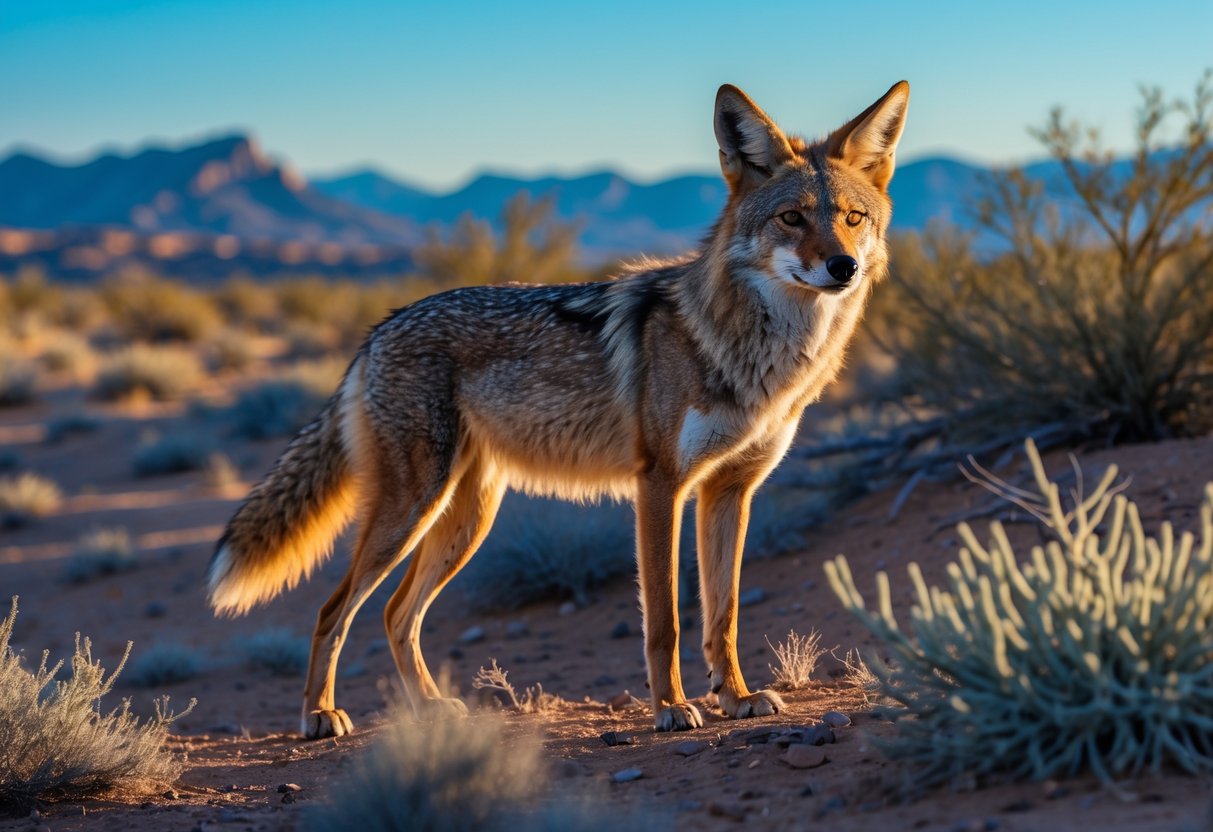
You might hear people call coyotes prairie wolves or brush wolves sometimes. Early European explorers gave them those names because they thought coyotes looked like smaller wolves wandering the plains.
But regardless of what you call it, the coyote’s name goes way back to Native American language. That gives us a glimpse into its long history in North America.
Etymology and Linguistic Origins
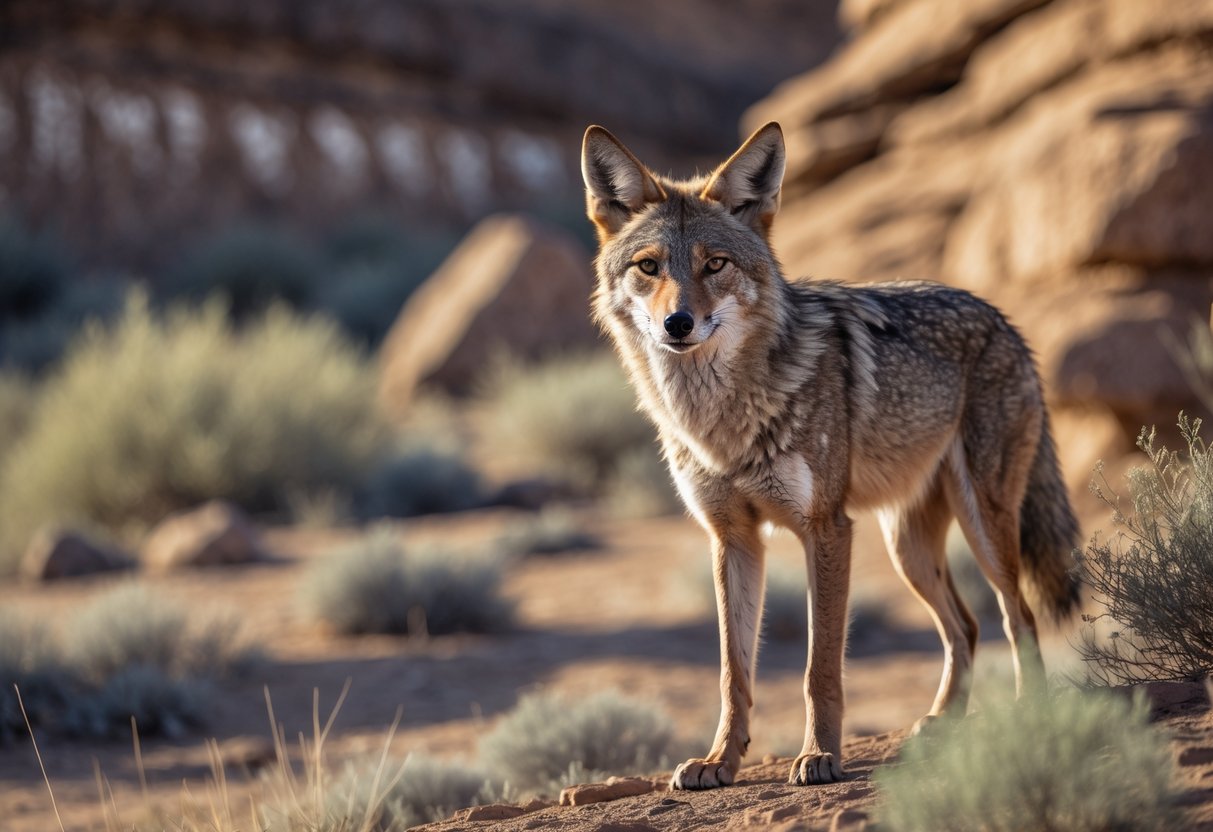
So, where did the word “coyote” really come from, and how did it end up in English? The word has deep roots in Mexico’s native languages, then moved through Spanish, and finally landed in English. It’s kind of a linguistic journey that mirrors the animal’s own travels across the continent.
Roots in Nahuatl and Aztec Culture
The Nahuatl language, spoken by the Aztecs and other indigenous groups in Mexico, gave us the word “coyote.” In Nahuatl, it’s coyōtl—literally the animal we know today.
In Aztec culture, the coyote was more than just another animal. People linked it to the god Huehuecoyotl, or Old Man Coyote, who was famous for tricks, music, and dance.
That’s pretty telling—shows how the coyote held a special spot in their stories and beliefs.
Adoption Into Spanish and English
Spanish explorers and settlers borrowed the Nahuatl word when they arrived in North America. They called the animal coyote in Mexican Spanish, and this happened around the mid-1700s.
By the 1750s, English speakers in America started using “coyote” too. Before that, they often called them “prairie wolves,” mostly because of where they lived.
The English version kept the original sound, but the word found a new home and meaning across the continent.
Meanings Across North America
Today, “coyote” is the go-to name for this medium-sized canine in the U.S., Canada, and Mexico. It originally meant the animal in Nahuatl, but now it’s also tied to ideas about cleverness and survival.
You’ll sometimes hear “coyote” used for people who help others cross the U.S.-Mexico border illegally. Even then, the word still connects back to the animal’s roots in North American culture.
Curious about the word’s journey? Check out Nahuatl to English.
The Coyote in Culture, Nature, and Myth
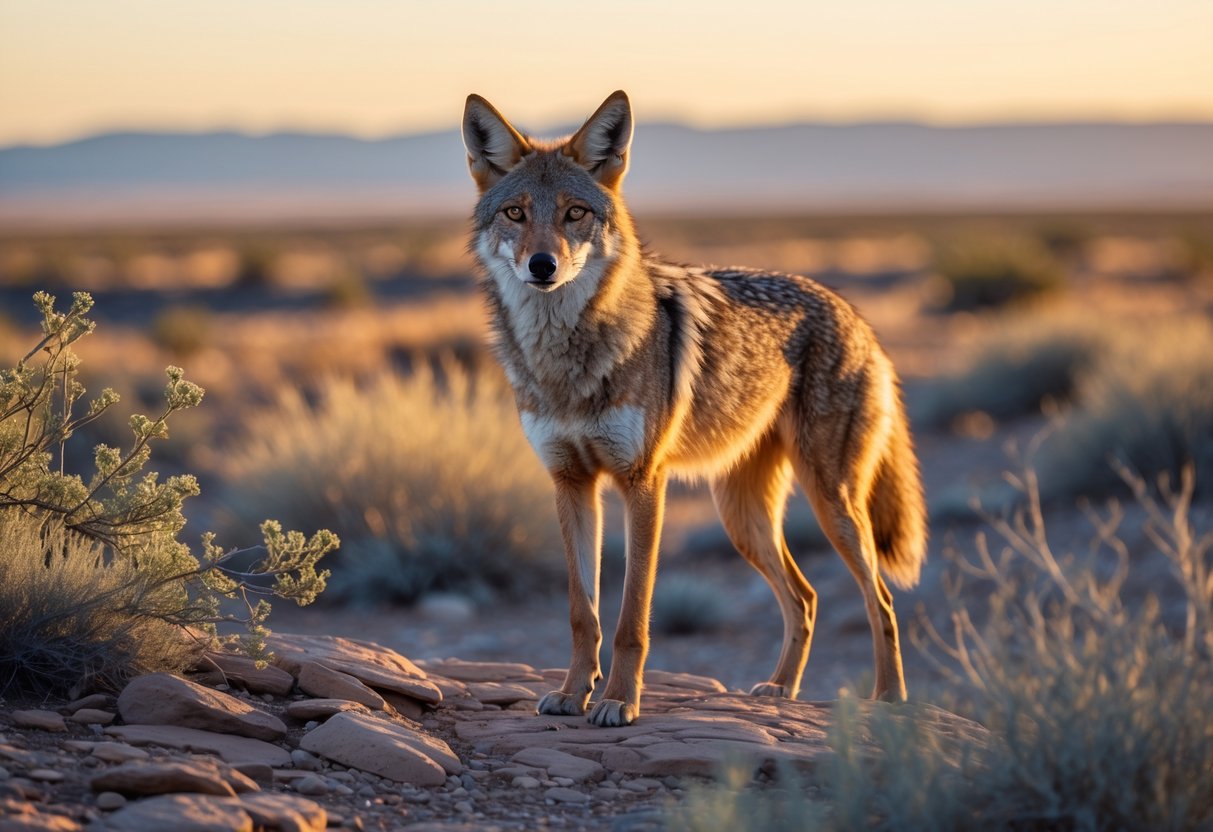
The coyote links nature and human stories in a pretty unique way. It lives wild and free, but also pops up in tons of myths and legends.
Its role shifts—from a clever animal in the wild to a powerful figure in culture. That’s probably why the coyote stands out both in nature and in human tradition.
The Animal: Canis latrans in the Wild
The coyote, or Canis latrans, is a wild dog that’s common all across North America. It’s smaller than a wolf but bigger than a fox.
Coyotes adapt to deserts, forests, and even city edges. They’re mostly active at night and hunt small animals like rabbits, rodents, and birds.
You’ll notice their pointed ears, bushy tails, and those sharp yellow eyes. Coyotes use howls and yips to communicate.
Their knack for surviving in so many places really shows off their cleverness. Coyotes help keep small animal populations in check, which keeps the ecosystem balanced.
Role as Trickster and Culture Hero
In Native American stories, the coyote often plays the trickster and sometimes the hero. As a trickster, the coyote can be clever or foolish, depending on the story.
These tales usually teach lessons about being smart, facing consequences, or respecting nature. Sometimes, the coyote pulls pranks or breaks the rules to challenge others.
Other times, it acts as a culture hero—helping humans by creating the world or bringing important gifts like fire or buffalo. This mix of mischief and wisdom makes the coyote easy to relate to—funny, serious, and always a little unpredictable.
You’ll find that many tribes gave the coyote a special spot in their myths, maybe because it captures that balance between chaos and order in life.
Influence on Central American and North American Societies
The coyote’s influence goes way beyond just stories. The word “coyote” actually comes from the Nahuatl word coyotl, which is a language from Central America. That alone hints at how important this animal is in the region.
If you look at North American cultures, you’ll spot the coyote popping up as clan symbols, in dances, and even as a spirit guide.
Tribes like the Hopi, Zuni, and Apache include the coyote in their rituals and ceremonies. People see the coyote’s image and think about survival, adaptability, and cleverness.
It’s a reminder that connects folks to both nature and culture. The coyote carries lessons that travel across generations in many Indigenous communities.
It’s kind of wild to think a single animal can shape human ideas and traditions for so long.
Learn more about the coyote’s cultural and mythological role here.


