
Ever wondered how rare it is to spot a coyote? The answer might actually surprise you.
Coyotes turn up in lots of places across the country, especially in rural and suburban spots. But whether you see one depends on where you live and how active they are around you. In some areas, people see coyotes so often it’s almost routine. In others, it can feel like a rare, exciting event.
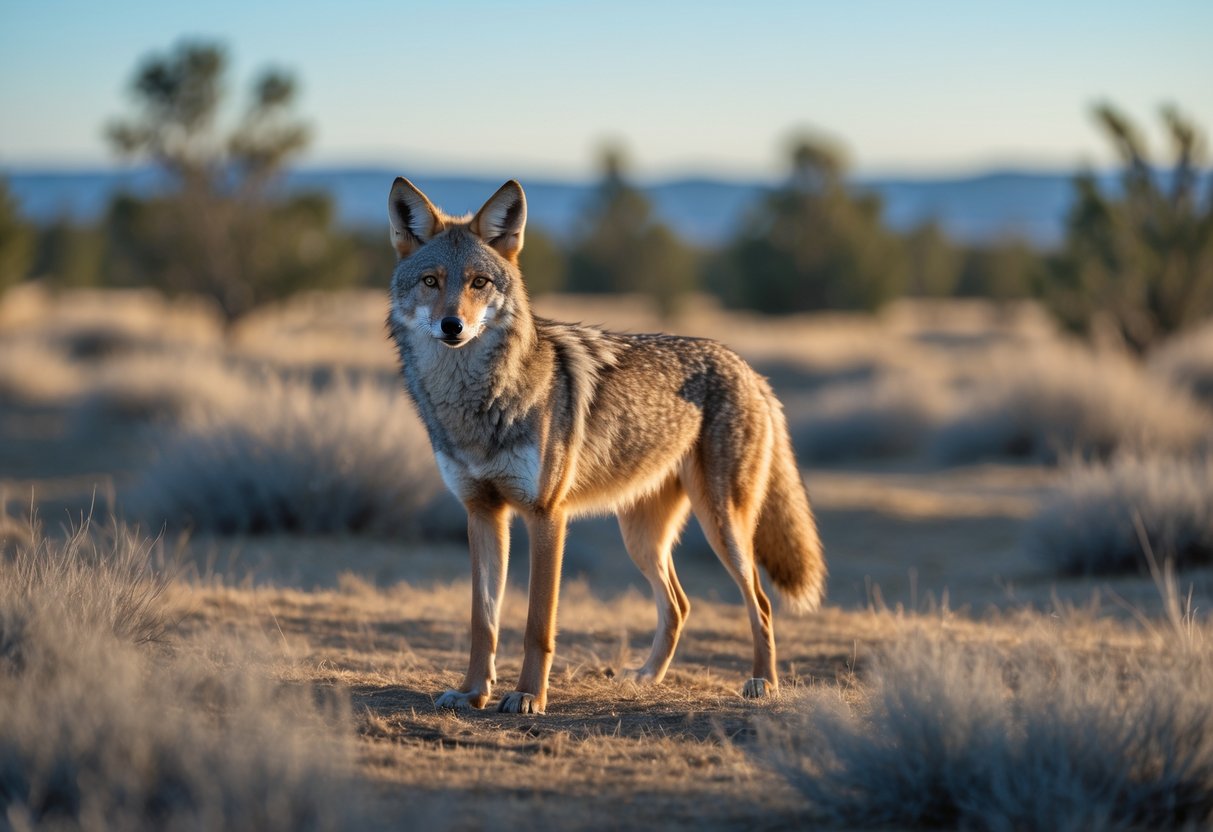
Spotting a black or melanistic coyote is a whole different story. These unusual coyotes make up only a tiny part of the population.
If you catch a glimpse of one, consider yourself lucky. Coyotes are clever and tend to keep their distance from people, so you’ll need a bit of luck to see one up close.
Knowing where coyotes hang out and what draws them out can boost your odds of seeing one. Whether you’re hiking or just walking your dog, staying alert makes a coyote encounter more likely—or helps you steer clear if that’s your preference.
For more about where they live and what they do, check out this info on coyotes in Florida.
How Rare Is It to See a Coyote?
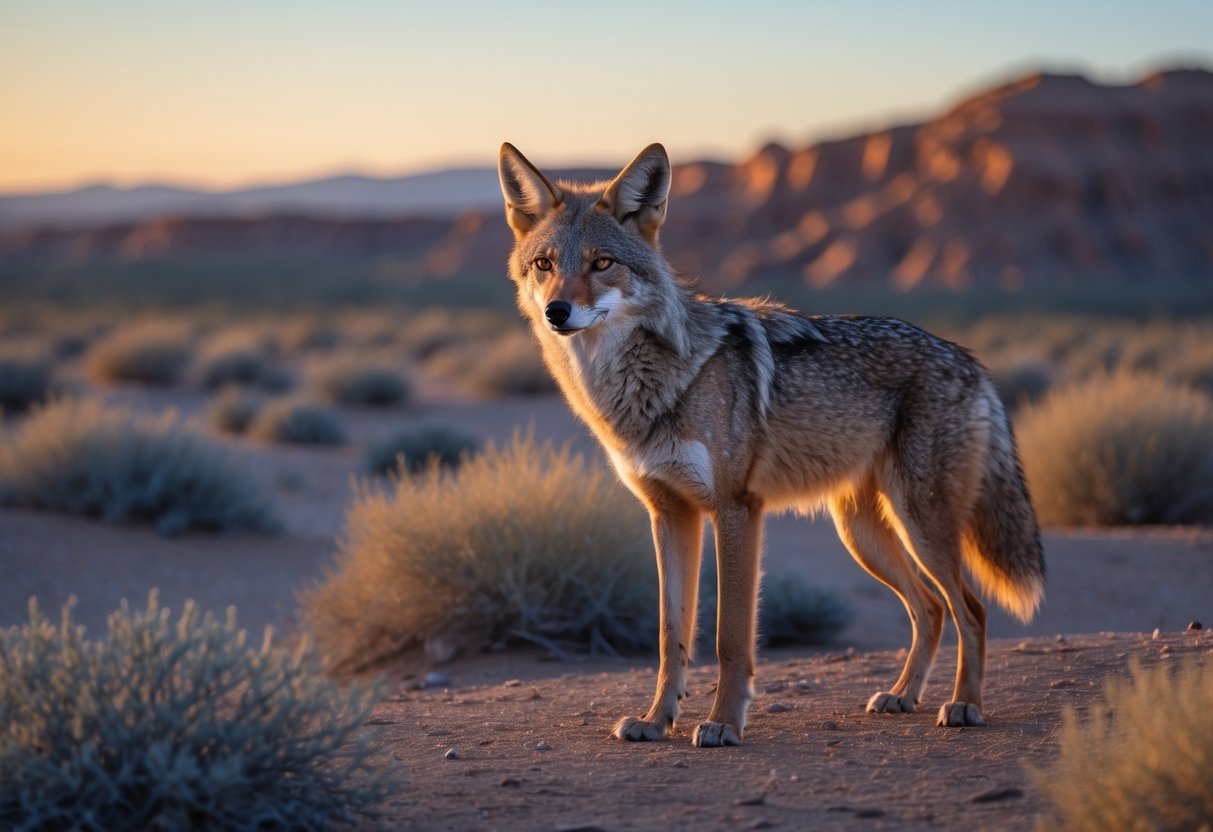
Coyotes are a lot more common than most people think. Whether you spot one depends on things like their habits, your location, and even the time of day.
If you know these details, you’ll have a better idea of when and where a coyote might turn up.
Typical Coyote Behavior and Sightings
Coyotes usually keep to themselves and avoid people. They move around on their own or with family, not in big packs like wolves.
You’re more likely to hear them howling or yipping than to catch sight of them during daylight.
They do most of their hunting at dawn, dusk, or after dark. Coyotes eat all sorts of things—small mammals, bugs, even fruit—so they don’t always need to venture near people for food.
Because they adapt so well, coyotes live in all kinds of places, from thick forests to busy cities. Still, they try to stay out of sight, so running into one during the day isn’t something that happens all the time.
Factors That Affect Coyote Visibility
You’ll see more coyotes in places where there are lots of them and where the landscape gives them fewer places to hide. In rural areas, coyotes usually stick to dense woods or fields and keep away from people.
In cities or suburbs, coyotes might be easier to spot. They get used to being around people while they look for food.
If people feed them, coyotes can get bolder and show up near homes more often.
Seasons play a role, too. In winter, coyotes sometimes become more active because food gets harder to find.
Young coyotes exploring new ground might cross your path more often than older, experienced ones.
Urban and Suburban Sightings
Coyotes have become pretty common in towns and suburbs these days. You might catch them near parks, golf courses, or greenbelts—usually wherever there’s plenty of natural food like rodents.
People often notice more coyotes in winter, when their usual prey isn’t as easy to catch. Encounters can be surprising, but most coyotes want nothing to do with humans and will slip away quickly.
If you feed coyotes, they can lose their fear of people and start showing up in yards or neighborhoods more often. If you see coyotes regularly, local wildlife officials probably have advice or rules for staying safe.
Daytime vs. Nighttime Encounters
Coyotes prefer to be active at night or during dawn and dusk. Seeing one in the daytime isn’t common, but it does happen—especially if there’s food nearby or something has disturbed their usual routine.
City coyotes sometimes show up during the day because urban life messes with their schedule. Daytime sightings don’t automatically mean a coyote is dangerous; they’re usually just passing through.
If you spot a coyote in daylight, give it space and don’t try to get closer. Coyotes run with their tails down and have grayish fur with a black-tipped tail, which makes them easier to identify.
For tips on what to do if you see a coyote, check out this helpful guide on coyote encounters in your yard.
Potential Risks and Safety Around Coyotes
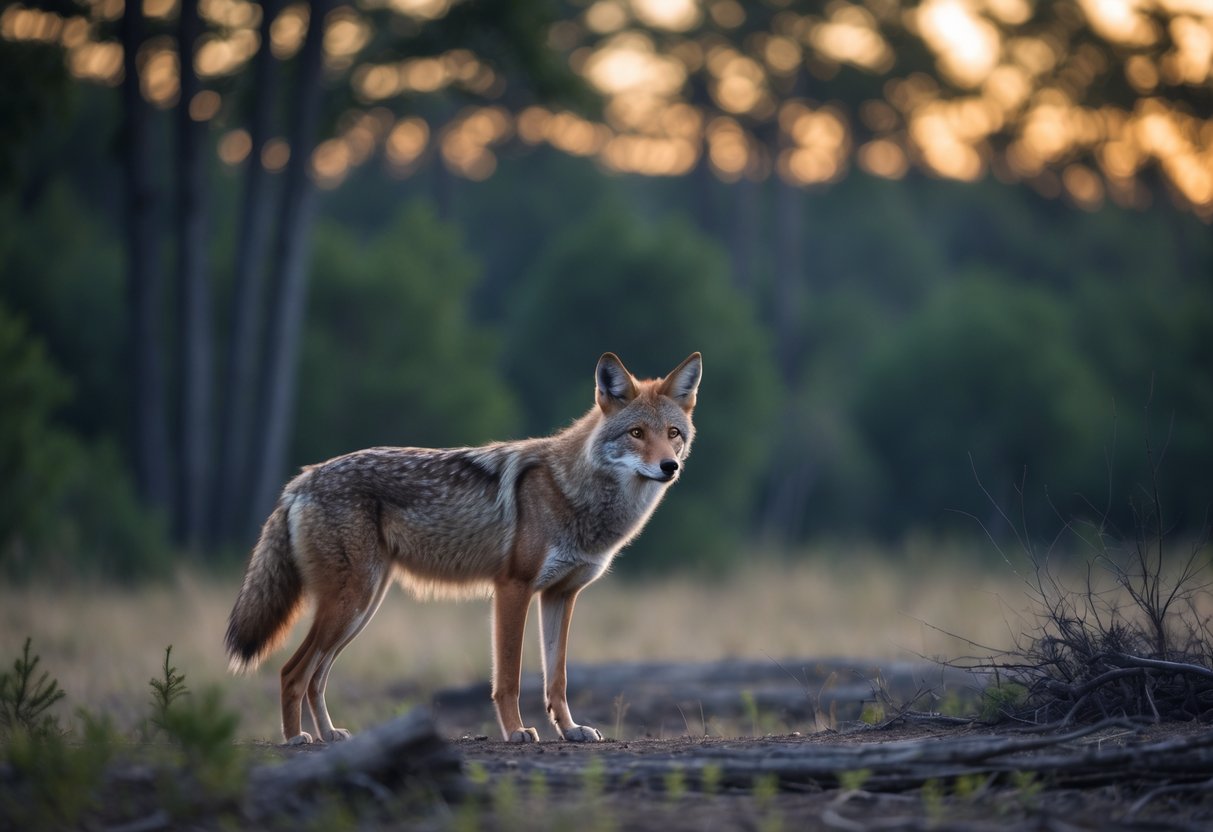
Coyotes can pose risks, especially if you have pets or small kids at home. Understanding how they act and what to do if you run into one can help you stay safe.
You should also know about rare but serious dangers, like rabid coyotes.
Coyote Attacks and Human Safety
Coyote attacks on people almost never happen. When they do, it’s usually small children or pets that face the most danger.
Coyotes tend to avoid adults. Most attacks happen if a coyote feels threatened, especially near its den or pups.
Feeding coyotes can make them lose their fear and come closer to homes and people.
To keep safe:
- Keep pets inside or on a short leash.
- Don’t feed or try to touch coyotes.
- Make loud noises or wave your arms if a coyote gets too close.
Behaviors of Rabid Coyotes
Rabid coyotes are rare, but they’re much more dangerous. If a coyote acts aggressive, ignores your presence, or seems confused, it could have rabies.
Rabid animals might stagger, howl loudly, or lose their usual fear of people and pets. Stay away from the coyote and contact animal control right away.
Don’t try to feed, approach, or corner the animal. Rabies is a serious disease that can spread to humans and other animals.
What to Do If You See a Coyote
So, you spot a coyote near your home or maybe while you’re out for a walk. First off, try to stay calm—don’t bolt. If you run, you might just trigger their instinct to chase.
Raise your arms and shout to make yourself look bigger. Keep looking at the coyote and slowly back away, but don’t turn your back.
Got pets outside? Bring them in right away. You should also secure trash, pet food, or anything else that could tempt a coyote.
If you notice a coyote acting bold or even aggressive, go ahead and call your local animal control to report it.
You can check out more about coyote safety at Are Coyotes a Danger to Humans? Understanding Risks & Safety.


