
Coyotes show up in all kinds of places these days—cities, suburbs, you name it. It’s only natural to wonder if they pose a real threat to people.
Sure, they’re wild animals, and yes, they can be dangerous, especially for pets and small kids. But coyote attacks on adults almost never happen. If you know what to do around them, you can keep your family safe.

If you notice a coyote near your home or while you’re out walking, try to stay calm. Give the animal some space.
Most of the time, coyotes want nothing to do with people. If you make yourself look big and make some noise, they’ll usually take off.
Understanding how coyotes behave can help you feel more at ease about sharing space with them. It’s not something most folks need to worry about daily.
Maybe you’re curious about what to do if a coyote acts aggressive, or you want to know how to keep your pets safe. That’s what this article is for.
You’ll find simple, clear tips here so you can enjoy the outdoors without a lot of stress. If you want even more info, check out this guide on keeping your family safe.
Are Coyotes a Danger to Humans?

You can find coyotes in cities, suburbs, and out in the country. Attacks on people don’t happen often, but they do occur, usually involving small kids or pets.
Knowing what makes coyotes act aggressively, and how they compare to other wild animals, can help you stay safe.
Frequency and Severity of Coyote Attacks
People have recorded coyote attacks on humans, but they’re not common. Since the late 1970s, about 350 attacks happened in North America.
Most of these involved children, probably because they’re smaller. Adults almost never get seriously hurt, since coyotes aren’t that big.
Attacks often happen when someone tries to protect a pet, or if a coyote has lost its fear of people. Coyote attacks remain rare—just a little over one per month across the whole continent.
It’s extremely rare for coyotes to kill people. Only two deaths have been reported in recent history.
Factors That Trigger Coyote Aggression
Coyotes keep away from people most of the time. But they can get bold if someone feeds them or if they get too comfortable around humans.
When people feed coyotes, the animals lose their natural fear. That’s when aggressive behavior can start.
Coyotes might also attack if they feel threatened, especially near their dens during breeding or when raising pups, which is usually from February to July. If you run from a coyote, you could trigger its chase instinct.
It’s better to stand tall, make noise, and back away slowly without turning your back. Keeping pets on a short leash and not letting them roam free also helps cut down on coyote problems.
Most attacks happen when people try to rescue their dogs from coyotes.
Coyotes Compared to Other Wild Canines
Coyotes are smaller than wolves and much less likely to attack people. Wolves can be more dangerous, but they usually avoid humans, too.
Coyotes end up closer to people because they live in cities and suburbs more often. You might see them more, but that doesn’t necessarily mean you’re in danger.
Unlike wolves, coyotes don’t hunt humans for food. They’re less threatening to adults but can still be risky for small kids and pets.
Understanding these differences makes it easier to know how to act around coyotes and keep your family safe.
If you want to dig deeper into coyote attacks, check out Are Coyotes Dangerous to Humans? – North American Nature.
Coyote Encounters and Prevention
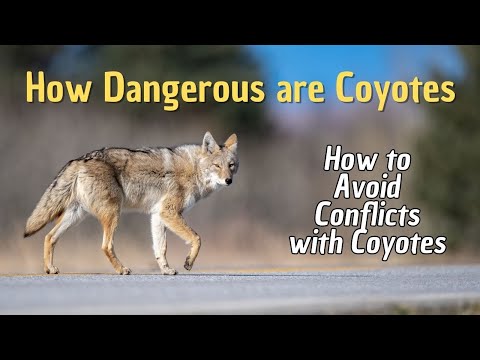
Coyotes live all over North America, from big cities to quiet rural areas. You might spot one at night, or sometimes even during the day.
If you understand how coyotes act and interact with people, it gets a lot easier to stay safe. A few simple steps can help protect you, your family, and your pets from coyote-related risks.
Coyote Behavior in Urban and Rural Areas
Coyotes adapt well and can live just about anywhere, whether it’s near busy streets or out in the countryside. In cities, they hunt small animals like rabbits, rodents, and sometimes even pets.
You’ll probably see them more at dawn or dusk, but honestly, they can show up any time.
Coyotes in rural areas usually have bigger territories and stay farther away from people. Still, if food is easy to find, they’ll come closer.
They’re mostly active at night, but they can change their habits to avoid people. Coyotes don’t usually try to attack humans.
They tend to run off when they spot you. But they can be a risk to small pets or kids, so it’s smart to pay attention to your surroundings.
Coyote Habituation and Human Interaction
When coyotes get used to people, they lose their fear and can act bolder. This is called habituation.
Feeding coyotes, or leaving food out, causes this problem. Once a coyote feels comfortable in a neighborhood, you’ll probably see it more often.
Habituated coyotes are more likely to act boldly toward pets or people. The best way to stop this is to never feed coyotes and always lock up food and trash.
If you spot a coyote acting bold or aggressive, reach out to animal control or local wildlife services. They’ll know how to handle things before it gets out of hand.
Reducing Risks and Effective Prevention Strategies
You can keep coyotes away by putting up fences and using repellents around your property.
A fence that stands at least 6 feet tall usually stops coyotes from getting into your yard.
Get rid of food sources like pet food, garbage, or even fallen fruit.
Try to keep cats and small dogs indoors, or at least watch them closely when they’re outside.
If you spot a coyote, go ahead and make yourself look bigger—wave your arms, shout, and don’t back down.
Running away? Not a great idea, since it could actually make the coyote want to chase you.
Hold eye contact to show you’re not an easy target.
It’s not always simple to share space with wild animals like urban coyotes, but these steps help keep your home and pets safer.
Want more tips? Here’s a good resource on ways to avoid conflicts with coyotes.


