
Ever wonder why coyotes just look so darn cute, especially when they flash those big, soulful eyes? Coyotes use special facial muscles to make expressions that look a lot like the “puppy dog eyes” you see in dogs. That little trick helps them seem more appealing and probably makes it easier for them to communicate with others, too.
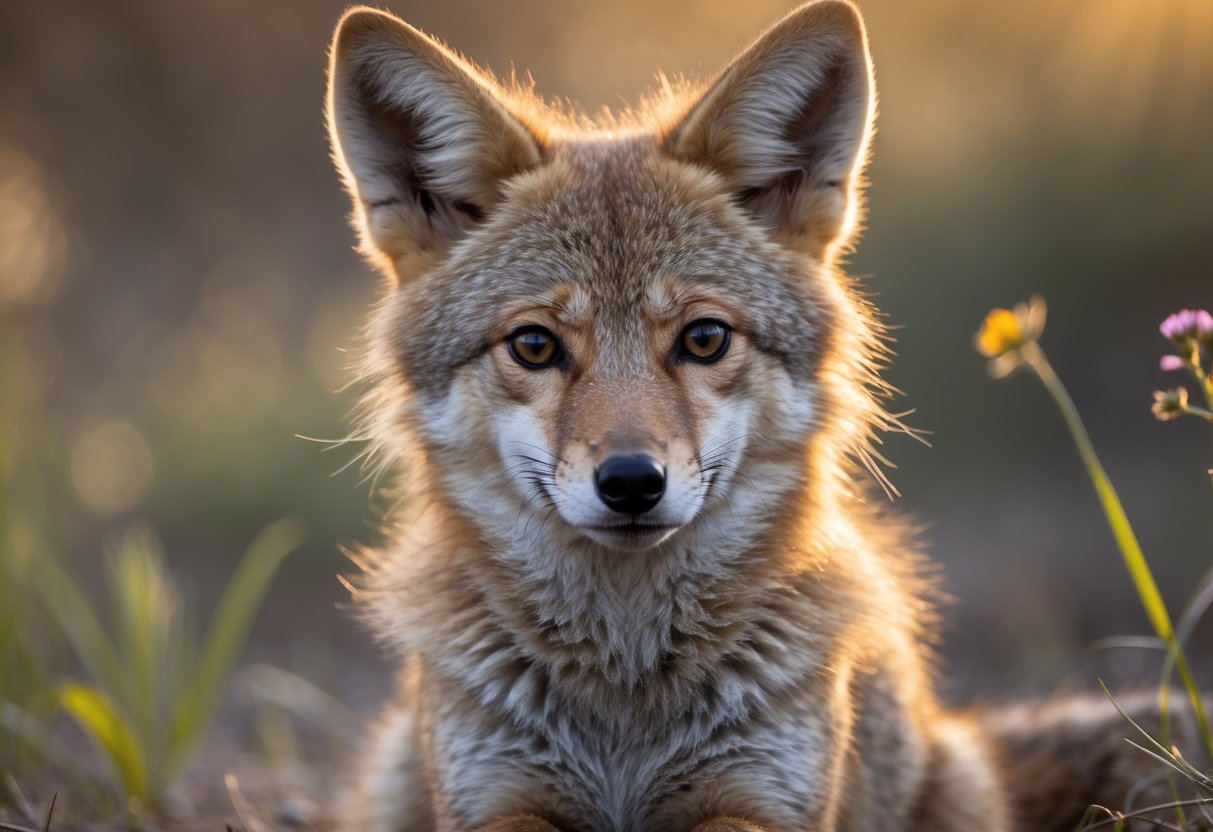
Spot a baby coyote, and their fluffy fur and curious eyes might just melt your heart. But it’s not only about looks—their expressions and features come from traits they share with wild relatives and even our pet dogs.
Learning why these wild animals can look so charming might just make you see them differently.
If you’re curious about how coyotes use their faces to connect or why they seem so friendly at first glance, you’re not alone. There’s more to their charm than you might expect.
You can check out this coyote face muscles study if you want to dig into the science.
What Makes Coyotes Look Cute?

Coyotes have a bunch of features that catch your attention and make them look cute. Their faces, that soft fur, how they act, and even their family life all play a part.
These details give them a look that’s hard not to notice.
Big-Eyed Puppy Face Muscles
Coyotes look cute partly because of those big, expressive eyes. Their eyes sit in a face with muscles that let them show a surprising range of emotions.
When you see a coyote pup, you’ll probably notice their eyes look wide and curious, kind of like a young dog’s.
They move their ears and shift their expressions with those face muscles. That makes it easier for you to pick up on their moods, whether they’re being playful or just alert.
These features remind us of baby animals—big eyes and flexible faces just tug at your heartstrings.
Fluffy Fur and Bushy Tail
Coyote pups have soft, fluffy fur. It feels thick and warm, and the colors range from gray to reddish-brown.
Their bushy tail adds even more to the cute factor. Usually, the tail ends in black and is covered in long, soft hair.
That fluffy coat and full tail just make a coyote look extra cuddly, even though it’s totally wild. The fur’s colors help them blend into different places, but up close, you can really see how beautiful they look.
Playful Coyote Pups
Baby coyotes—or pups—burst with energy and curiosity. They start exploring the world when they’re just a few weeks old.
You might see them chasing each other or pouncing around. Sometimes they play-fight, which looks lively and fun.
Pups stick close to their family, and adult coyotes help take care of them. You’ll often see groups of pups interacting warmly with each other and their parents.
That playful, cooperative vibe just adds to their charm.
Similarities to Domestic Dogs
Coyotes belong to the same genus as domestic dogs—Canis—so they share a few features. Their faces, ears, and body shape often look a lot like small or medium-sized dogs.
That resemblance makes coyotes seem familiar and not all that scary, especially when they’re young. Still, unlike dogs, coyotes are wild and their behaviors help them survive, not fit into a family home.
Their doglike appearance makes it easy for us to relate to them, which is a big reason why they seem so cute.
If you want to know more about how coyotes look and act, here’s a guide on coyote looks.
Coyote Behavior and Lifestyle Enhancing Their Cuteness

Coyotes do a lot of things that make them more charming and relatable. Their close family ties, playful attitude, and clever ways of living near people all add to their appeal.
Family Groups and Social Bonds
Coyotes usually stick with their family groups rather than joining big packs. You’ll see them hanging out with their parents and siblings.
The parents—often called the alpha pair—look after the pups together. Family members share jobs like guarding the den or teaching the young ones how to hunt.
Watching a coyote family protect and play with their pups can make them seem gentle and sweet.
These social bonds help coyotes survive in the wild. You’ll notice them using yips, howls, and body language to stay connected and safe.
This close-knit family life shows a caring side of coyotes.
Youthful Play and Exploration
Young coyotes love to play and explore, and honestly, it’s adorable. They chase each other, pounce, and run around with tons of energy.
This playtime teaches them important skills like hunting and working as a team.
You might see a pup sneaking up on a sibling or exploring somewhere new. Their playful tricks can seem like mischief, but it’s all about learning and growing up strong.
Play also builds trust and keeps the family close. This lively, joyful behavior is a big reason coyotes look so cute to us.
Adaptability in Urban Environments
Coyotes manage to live near cities and towns all over North America. They’re so adaptable—it’s honestly impressive.
Sometimes you’ll spot one slipping through a park or maybe even your backyard. Usually, they try hard to avoid running into people.
Coyotes switch up their routines to stay safe. They might hunt at night or sneak through hidden spots.
Their knack for handling these new places just shows how resourceful they can be. I find it kind of charming, actually.
If you ever notice a coyote acting cautious but still curious in a neighborhood, you’ve got to appreciate how clever and flexible these animals are.
Want to learn more about how coyotes manage city life? Check out coyote behavior in urban environments.


