
Ever notice your dog getting jumpy or even a bit aggressive when there’s a coyote nearby? You’re definitely not the only one. Dogs usually treat coyotes as a threat, probably because coyotes are wild and can compete with or prey on them.
Your dog’s instincts kick in, making it wary of coyotes and sometimes triggering fear or defensive reactions.
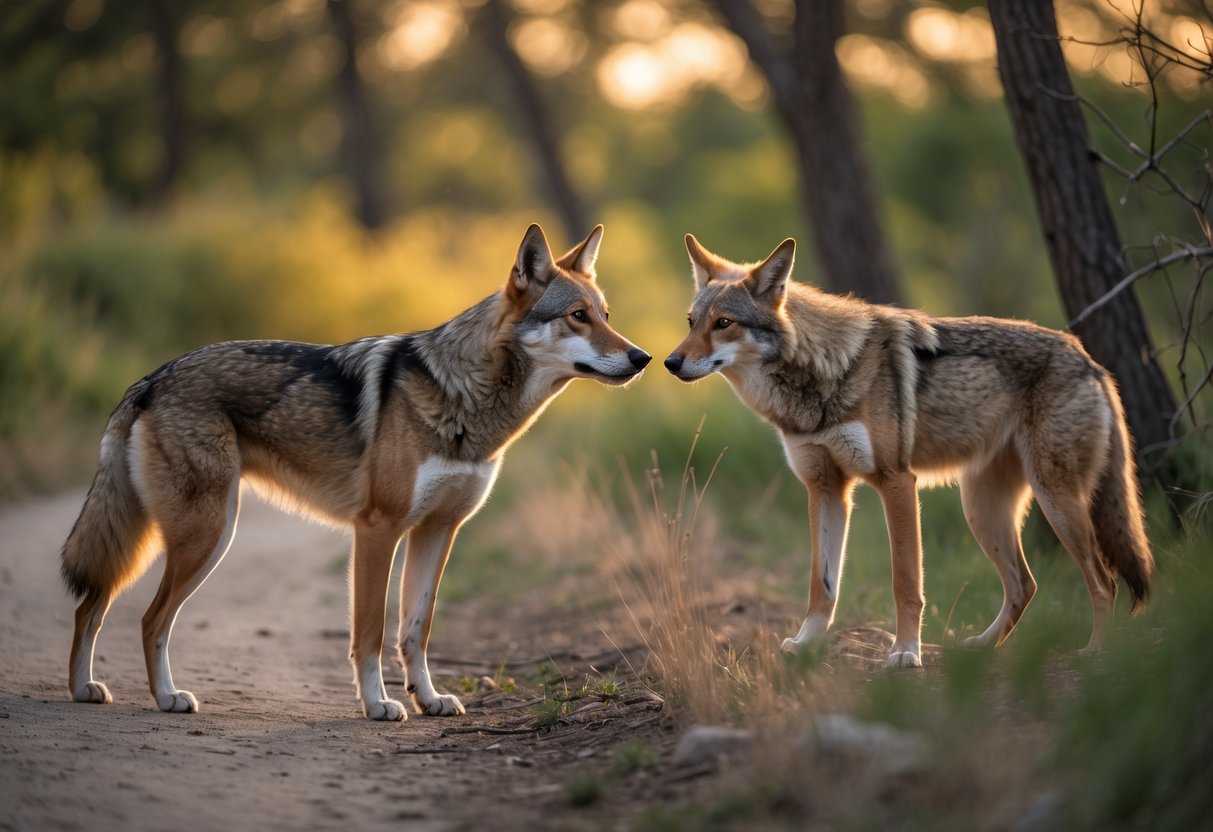
Coyotes don’t just look different—they act differently too, and that can seriously throw your dog off. It might growl, bark, or just steer clear because it senses something dangerous about this unfamiliar animal with sharper survival skills.
When you understand why your dog reacts this way, you’re better prepared to keep it safe outside.
Knowing about this uneasy relationship makes it clear why you should keep an eye on your dog in coyote territory. If you get why dogs and coyotes usually clash, you can do more to protect your pup from trouble near home or out in the wild.
Curious about what happens when dogs and coyotes actually meet? There are some wild stories out there.
Why Dogs Do Not Like Coyotes: Instincts and Behavior Differences
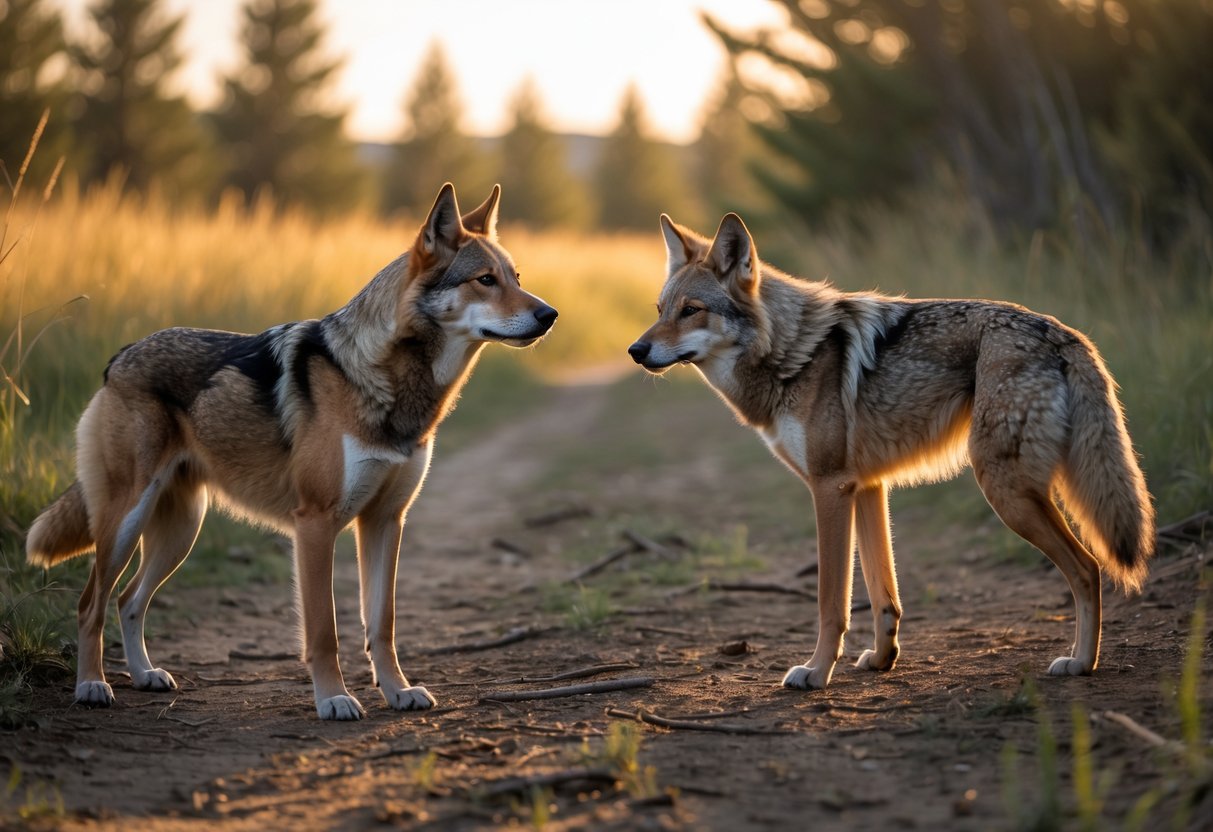
Dogs and coyotes live very different lives, and that shapes how they react to each other. Their history, territory habits, and the way they “talk” all play a part.
If you know these basics, you’ll get why your dog might feel nervous or on guard around coyotes.
Evolutionary Roots of Conflict
Coyotes grew up in the wild, driven by instincts to hunt, defend their turf, and stay out of danger. Dogs, on the other hand, have been hanging out with humans for thousands of years.
We bred dogs to be social and less aggressive, so they rely more on us than on old-school survival skills.
Coyotes still see lots of animals—including dogs—as rivals or threats. Sure, your dog’s ancestors might’ve acted the same way, but now most dogs are much more social.
That long split in their evolution? It’s probably why things get tense when they meet.
Territorial Instincts and Socialization
Coyotes don’t mess around when it comes to their territory. They use scent marks and loud howls to tell others to back off.
If your dog is also protective of its space, it’ll probably see this as a direct challenge.
Socialization changes things a lot. Most pet dogs grow up with people and other dogs, so they pick up friendly habits. Coyotes don’t really do that.
They avoid others and act more cautious—or even aggressive—when outsiders show up. That difference can make your dog feel uneasy fast.
Differences in Communication and Signals
Both dogs and coyotes use body language and sounds, but honestly, they don’t always “get” each other. Coyotes howl, yip, and bark, but not always for the same reasons as your dog.
Your dog might pick up on coyote fear or aggression, but some signals just don’t translate. For instance, a coyote’s yip might mean alarm, but your dog could take it the wrong way and get anxious or even hostile.
Coyotes also leave scent marks, which can tip your dog off to a stranger nearby and put it on high alert.
If you understand these instinct and behavior differences, you’re in a better spot to keep your dog safe and calm when coyotes are around.
Want to dig deeper? There’s more on how dogs and coyotes behave at dogacademic.com.
Coyote Encounters and Potential Risks for Dogs

When your dog runs into a coyote, there’s real risk—think attacks, disease, or just confusion over what this animal even is. Coyotes are wild, mostly out at night, and their behavior can put your pet in danger.
Coyote Attacks and Predatory Behavior
Coyotes hunt when they see an easy opportunity. Small dogs have the most to worry about—coyotes might see them as just another rabbit or rodent.
Attacks don’t happen all the time, but they’re more likely near cities, where coyotes get used to people. They’re most active at dawn or dusk, so that’s when you should be extra watchful.
If your dog’s off-leash or alone outside, it’s more vulnerable. You should always keep your dog close and pay attention, especially in places where coyotes hang out.
Physical Appearance and Identification
Coyotes look a bit like a scruffy mix of wolf and dog—slimmer, longer legs, and those bushy tails. Their fur usually mixes gray, brown, and sometimes a hint of red.
If you know what to look for, you can spot the difference between a coyote, a stray dog, or a wolf. Coyotes have a narrow muzzle and those upright, pointy ears.
Since they’re mostly out at night, you might only catch a glimpse in dim light. Motion-activated lights can help you spot them around your house before your dog even notices.
Health Risks and Disease Transmission
Coyotes sometimes carry diseases that can seriously impact your dog’s health. Rabies tops the list, and a bite or even a scratch from a coyote could pass it along.
Honestly, keeping your dog’s vaccinations current is just common sense if you want to avoid that risk.
Mange, ticks, and parasites also pose threats. Coyotes can spread these through close encounters or even fleas.
If your dog starts acting oddly after being outside, it’s worth checking them for any signs of illness.
Think your dog might’ve tangled with a coyote or gotten bitten? Call your vet right away.
Quick action can make a huge difference and help keep both you and your dog safe.
If you want more tips on protecting your dog, check out Vet Explains Pets for some practical advice.


