
Maybe you’ve spotted a coyote nearby and wondered if it’s friendly—or even safe to get close. Honestly, coyotes are wild animals. They usually keep their distance from people.
They don’t act like pets or seek out humans for company. But they’re not looking for a fight, either.
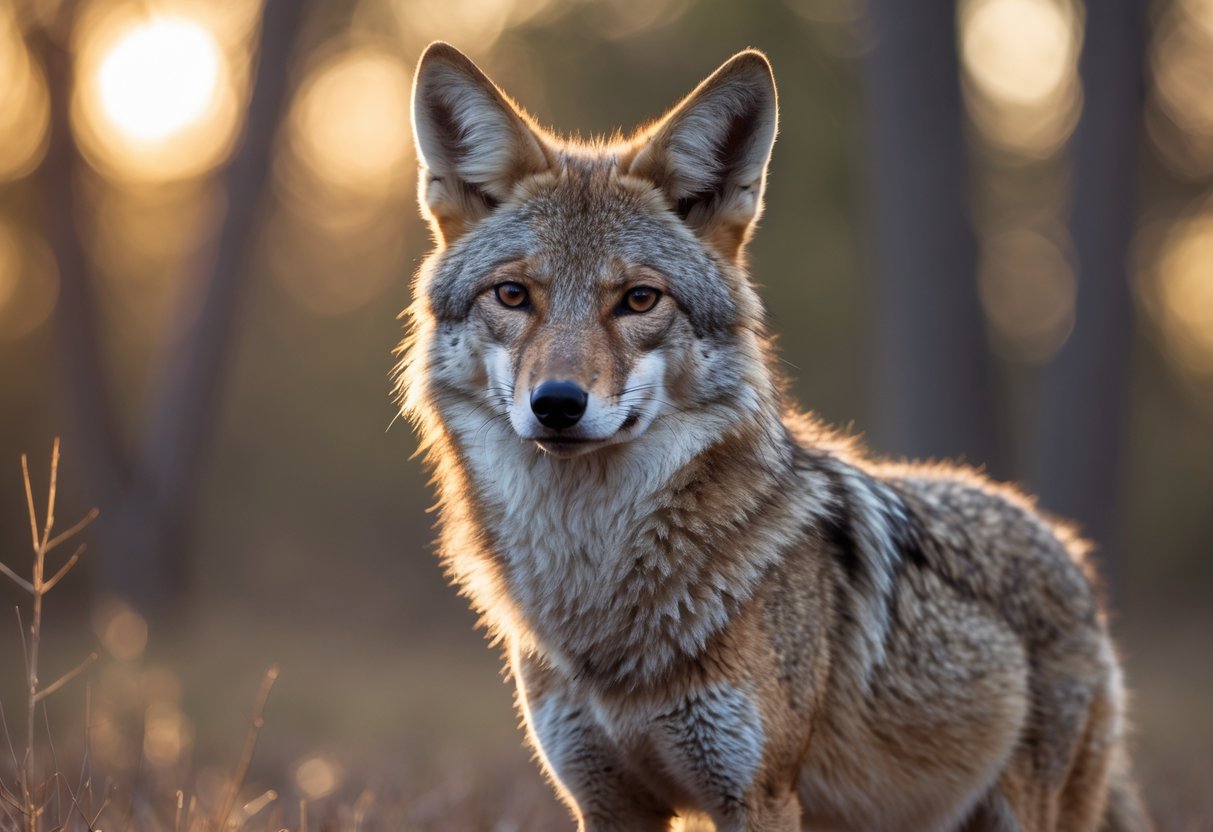
Coyotes mostly roam around at night or in the early morning. They try to avoid people whenever they can.
If they feel threatened, they’ll defend themselves, but they rarely get aggressive. Knowing this might help you feel a bit less worried if you spot one near your neighborhood.
Are Coyotes Friendly Toward Humans?

Coyotes usually keep to themselves and avoid people. Their behavior depends on instincts, where they live, and how often they bump into humans.
It’s worth understanding these things so you know what to expect if you run into a coyote.
Instincts and Natural Behavior
Coyotes have strong survival instincts. They avoid humans because they see people as a threat.
They spend their time hunting small animals and guarding their territory.
If you corner or scare a coyote, it might act aggressive. Most of the time, though, it’ll bolt if you make noise or look big.
Coyotes talk to each other with howls, yips, and scent marks. That’s how they claim space and warn others.
It’s not a good idea to feed or pet a coyote. Doing that confuses them and can make them act too bold around people.
Differences in Urban and Rural Coyotes
Coyotes living in cities hang around places with lots of food—like trash cans or pet dishes. This sometimes makes them less nervous around humans, but they’re not looking to be pals.
City coyotes might seem relaxed in neighborhoods, mostly because they see people all the time. Still, they can act bold and unpredictable.
Rural coyotes usually stay farther away. They have more wild food and fewer people nearby.
They stick to their wild instincts and act more cautious.
Coyote Attacks and Human Encounters
Coyote attacks on people almost never happen, but it’s not impossible. Usually, a coyote gets too comfortable if people feed it or if it starts hunting pets.
Most of the time, coyotes run off when they see someone. If a coyote doesn’t leave, make loud noises, wave your arms, or grab a shovel to scare it away.
To keep yourself and your pets safe, don’t leave food outside. Bring small animals inside during dawn and dusk.
If you want to dig deeper into their behavior, you can check out Urban Coyote Research.
Coyote Conflicts and Coexistence in Communities

Coyotes often show up in cities and suburbs. You can cut down on problems by understanding what leads to conflict and keeping pets safe.
It’s possible for communities to live alongside coyotes without much trouble.
Situations That Lead to Aggression
Coyotes mostly keep away from people, but sometimes things get tense. If a coyote feels trapped or threatened, it’ll defend itself.
Coyotes can get bold if they find food easily or if people feed them.
Leaving out pet food or garbage attracts coyotes. That brings them closer and raises the odds of a run-in.
To keep things safe, never feed coyotes and always lock up your trash.
If a coyote acts too friendly or isn’t scared, you can wave your arms, shout, or move toward it. This “hazing” helps coyotes remember to stay wild.
Protecting Pets from Coyotes
Keeping pets safe is a big deal if you live where coyotes roam. The best way to protect cats is to keep them inside.
Don’t leave dogs outside alone, especially at dawn or dusk when coyotes are most active.
Always leash your dogs on walks, even in open areas. Coyotes see small or loose dogs as prey, which can lead to trouble.
Try not to let pets play near thick bushes or hidden spots where coyotes might hide.
A few simple steps can prevent most issues. Be extra careful with small pets, and don’t leave food out that could attract coyotes.
Building Coyote Friendly Communities
You can help build a coyote-friendly community where people and wildlife actually live side by side. Honestly, education comes first.
When you share facts about coyote behavior, you help others see why killing or moving coyotes really isn’t the answer.
Local groups and city officials can team up to create plans that use non-lethal ways to reduce conflicts. This might mean more outreach, teaching folks how to haze coyotes, or just making sure food sources aren’t easy to find.
If you encourage your neighbors to get involved, your community could become a real example of coexistence. Want to learn more about how communities work with wildlife? Check out Project Coyote’s Coyote Friendly Communities program.


