
If you live near nature—or even just in the suburbs—you might wonder if coyotes are lurking around. These animals usually keep to themselves, but they leave behind clues if you know what to look for.
Listen for distinctive howls, spot tracks in the dirt, notice scat filled with hair or bones, or check for damage to fences—these all point to coyotes being close.

Sometimes, you’ll see missing or injured small animals, or hear those weird yips and barks echoing at night. Coyotes are clever and pretty quiet, so they’re tough to spot, but if you pay attention, you’ll catch their signs.
Knowing what to watch for can help you stay prepared. Coexisting with these wild neighbors gets easier once you recognize their habits.
Stay alert and you might realize coyotes are way closer than you thought. If you want a deep dive, check out this article on the most common signs that coyotes are nearby.
Essential Signs of Coyotes Nearby

You can spot coyotes by listening for their sounds, looking for footprints, or finding droppings. Paying attention to these hints makes it easier to notice if they’re hanging around your neighborhood.
Recognizing Coyote Vocalizations
Coyotes use a bunch of different sounds to talk to each other. You might hear howls, barks, or high-pitched yips—usually after dark.
Howls often let other coyotes know they’re around or call the group together. Barks and yips are shorter and help them chat in a group.
It’s wild how just two coyotes yipping can sound like a whole pack. Their noises carry pretty far, so if you hear these sounds near your place, coyotes are probably close.
Remember, they’re most active at night or early in the morning.
Identifying Coyote Tracks
Coyote tracks look a bit like a medium-sized dog’s, but they’re more oval than round. You’ll notice sharp nail marks, not the dull ones dogs leave.
There’s more space between the toes—people call that “negative space.” If you spot tracks in your yard, try comparing them to a dog’s.
Smaller tracks could belong to a fox, and really big ones might be from a dog or even a wolf. These little details help you figure out if coyotes are dropping by.
Spotting Coyote Scat
Coyote scat usually looks ropey and often has hair, bones, or seeds in it. Coyotes actually use their droppings to leave messages for each other, so they’ll put them where they’re easy to find.
You’ll often find scat along trails or at the edges of their territory. It’s different from dog poop because it’s usually bigger and shows what they’ve been eating—like fur or bones.
If you find coyote scat near your home, that’s a pretty solid sign they’re hanging around. It’s one of the more reliable clues, especially if you spot it on well-used paths.
Curious for more? Here’s a handy guide on How to Tell If Coyotes Are Near.
Interpreting Coyote Behavior and Activity Around Your Home
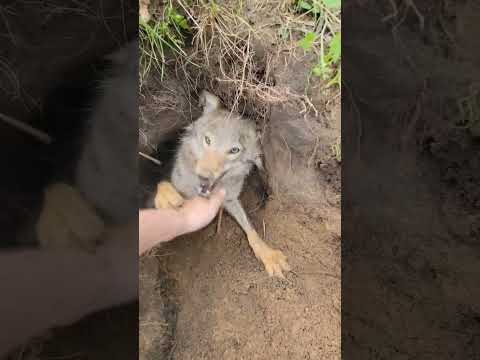
Coyotes tend to be shy, but they can get bold if they find food or shelter near people’s homes. Spotting their behavior early helps you keep pets and property safe.
Noticing Changes in Pet Behavior
Pets often sense coyotes before people do. Dogs might bark more or act jumpy, especially by fences or at night.
Cats sometimes hide or avoid certain spots if coyotes are around. If your pet suddenly seems scared outside, sticks close to you, or won’t go to favorite places, you might have coyotes nearby.
It’s smart to keep an eye on pets during walks or only let them out during the day. Experts suggest using collars with bells or keeping pets indoors from dusk to dawn, since that’s when coyotes are most active.
Detecting Signs of Scavenging or Predation
Coyotes leave behind lots of clues. Watch for:
- Scat: Ropey, with fur or bones, usually on trails or territory edges.
- Tracks: Medium-sized, oval, with sharp claw marks.
- Fur on fences: Sometimes they rub or squeeze under fences, leaving fur or scratches.
- Damaged chicken coops or injured livestock: Coyotes go after smaller animals, so check for bite marks or dug holes.
If pets or livestock go missing, look around for injuries or coyote tracks. For advice on keeping your property safe, reach out to your local wildlife agency.
Using Motion-Activated Lights and Deterrents
Coyotes really don’t like bright, flashing lights—they see them as a warning sign. If you set up motion-activated lights around your house, you’ll probably startle coyotes and keep them away, especially at night when they’re roaming around the most.
Try putting these lights near places like pet areas, garbage cans, or your garden beds. Solar-powered flashing lights are actually pretty simple to install, and they won’t run up your energy bill.
Some wildlife pros recommend mixing in noise deterrents or sprinklers with the lights for even better results. Just double-check your local guidelines to make sure everything you use is humane and legal.


