
Ever spotted a coyote and wondered if it’s actually a dog, or maybe even a cat? I get why people might think that—coyotes look a lot like dogs in some ways since they belong to the same family. But nope, they’re not cats. A coyote is a wild canine, related to dogs but honestly, they’re a whole different deal from both dogs and cats when it comes to how they act and live.
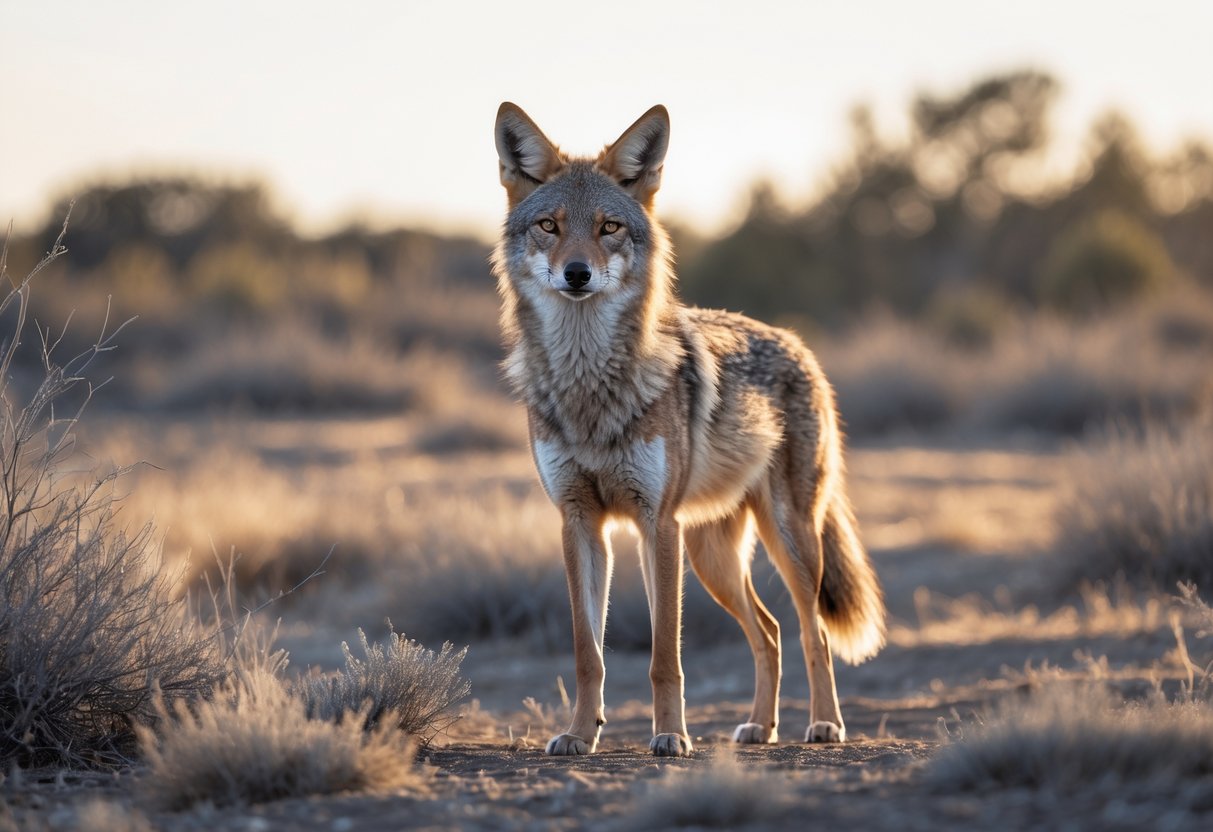
Coyotes might remind you of dogs, but they live out in the wild and behave in their own unique way. Unlike cats, which belong to a totally separate animal family, coyotes hunt and roam a lot like wolves and other wild dogs.
It’s helpful to know how coyotes compare to both dogs and cats, especially if you ever run into one in the wild. That knowledge can keep you safer and just makes things less confusing.
If you’re curious about what really separates these animals, you’re in the right place. You’ll see where coyotes fit in the animal world and what makes them different from your neighbor’s dog or your family’s cat.
Want to dive deeper into the coyote-dog question? You can check out this Is a Coyote a Type of Dog? Can They Be Domesticated? article.
Is a Coyote a Dog or a Cat?

Coyotes actually belong to the same biological group as dogs and wolves, but not cats. Their appearance might throw you off since they share some features with dogs, but their behavior and lifestyle are a whole different story.
You’ll get a clearer sense of how they fit into the animal family tree and how to tell them apart from pets you already know.
Family and Scientific Classification
Coyotes sit in the Canidae family, which includes dogs, wolves, foxes, and jackals. That means they share a bunch of traits with dogs, but they’re a separate species called Canis latrans.
Dogs go by Canis lupus familiaris and were domesticated from wolves. Coyotes are actually closer to wolves than to foxes, but they’ve always stayed wild.
Cats? They’re in the Felidae family, so there’s no real connection to coyotes.
Both coyotes and dogs are canines, so your pet and a wild coyote have a similar evolutionary background. This shows up in how they look and even in some of their behaviors, like the way they communicate or hunt.
Key Differences From Dogs and Cats
Coyotes and dogs might share a family, but coyotes are usually slimmer and more agile. Their legs look longer, probably because they’re built for running and hunting in the wild.
Dogs often have shorter legs and a more solid build. Coyotes stick to the wild and don’t live with people, which really shapes how they behave.
Coyotes eat mostly meat but will munch on plants and insects if they have to. Dogs usually get their food from us humans and have more regular diets.
Unlike cats, coyotes don’t purr, don’t climb trees, and their bodies just aren’t built the same way.
If you’re checking tracks, coyote paw prints usually form straight lines and show long, thin toes. Dogs’ prints are wider and rounder.
Cats have retractable claws, but coyotes just don’t.
Differences at a glance:
| Feature | Coyote | Dog | Cat |
|---|---|---|---|
| Family | Canidae | Canidae | Felidae |
| Body size | Slim, agile | Varies, often bulkier | Small and flexible |
| Behavior | Wild and cautious | Domesticated, social | Independent, climbers |
| Diet | Omnivorous carnivore | Often omnivorous | Strict carnivore |
Common Misconceptions and Physical Identification
People often call coyotes “wild dogs” because they look so similar, but that’s not really accurate. Coyotes live wild, free lives, while dogs count on humans for just about everything.
Coyotes have narrow, pointed faces, sharp ears, and bushy tails with a black tip. Dogs can have rounder faces, different ear shapes, and tails that curl or hang straight down.
Coyote fur usually mixes gray and brown, sometimes with a reddish tinge.
Coyotes make a bunch of different noises—barks, yips, howls, and even high-pitched cries. Their sounds are pretty different from what you hear from most dogs.
A lot of people mix up coyotes and foxes too, since both are wild canines. Foxes have shorter legs, flatter faces, and usually more colorful fur.
Wolves? They’re bigger and heavier than coyotes, but still in the same family.
If you spot an animal in the wild and wonder if it’s a dog or a coyote, look for body shape, fur color, and behavior. Those clues can tell you what you’re looking at.
You can find more details on coyote vs. dog differences at Dogster.
Coyotes vs. Dogs: Traits, Behaviors, and Interactions

Coyotes and domestic dogs might look alike, but their behavior, diet, and lifestyles are pretty distinct. These differences help you tell them apart and get a sense of how they live and interact.
Appearance and Track Differences
Coyotes usually have slender bodies, long legs, and narrow faces. Their fur is mostly grayish-brown with some reddish or white patches. This coloring helps them blend into wild places.
Dogs come in all shapes and sizes, depending on their breed. Their fur colors and textures are all over the map.
Coyote tracks look narrow with long toes and show less claw because coyotes partly retract their claws when they run. Dog tracks are wider, rounder, and show deeper claw marks since dogs don’t retract their claws.
You might spot these differences if you’re checking footprints in dirt or snow.
Diet and Hunting Habits
Coyotes live wild and hunt really well. They eat small mammals like rabbits and rodents, but they’ll also go for birds, insects, and fruit if that’s what’s around.
Coyotes hunt alone or in packs, using teamwork for bigger prey. They’re opportunistic, so they eat whatever’s available, depending on the season.
Dogs mostly rely on people for food. Sure, some dogs can hunt or scavenge, but most pets eat commercial food that’s made to be balanced.
Some working or guard dogs still have those hunting instincts, but they don’t need to hunt to survive like coyotes.
Domestication and Pet Potential
Coyotes remain wild—they never went through domestication. Their instincts help them survive out in nature.
They usually act cautious and shy around people, but sometimes they get bold in cities.
Dogs have been bred by humans for thousands of years. We shaped different breeds for guarding, hunting, or just hanging out with us.
Dogs are social and fit in with humans easily. Trying to make a coyote a pet? Honestly, it’s not safe or practical. Their wild side just doesn’t work for domestic life.
Interactions With Domestic Dogs
Coyotes and dogs sometimes cross paths, and honestly, these encounters can get tense. Coyotes often view smaller dogs as either prey or a threat to their territory.
On the other hand, bigger dogs or guard dogs usually chase coyotes off or stand their ground to protect their space.
Since coyotes now live so close to cities and suburbs, these run-ins with dogs happen more than people might expect.
If you keep your dog leashed and stay alert in areas where coyotes might be lurking, you’ll probably avoid most issues.
It’s worth getting familiar with how these animals interact—knowing what to expect could keep your pet safe and, honestly, help coyotes steer clear of trouble too.
If you’re curious, there’s a lot more to learn from detailed studies on coyote vs dog behaviors.


