
Ever wondered what animals actually eat coyotes? You’re definitely not the only one. Coyotes are clever, tough, and pretty adaptable, but they don’t sit right at the top of the food chain.
Larger predators like mountain lions, wolves, bears, and even some big birds—think golden or bald eagles—sometimes hunt coyotes.
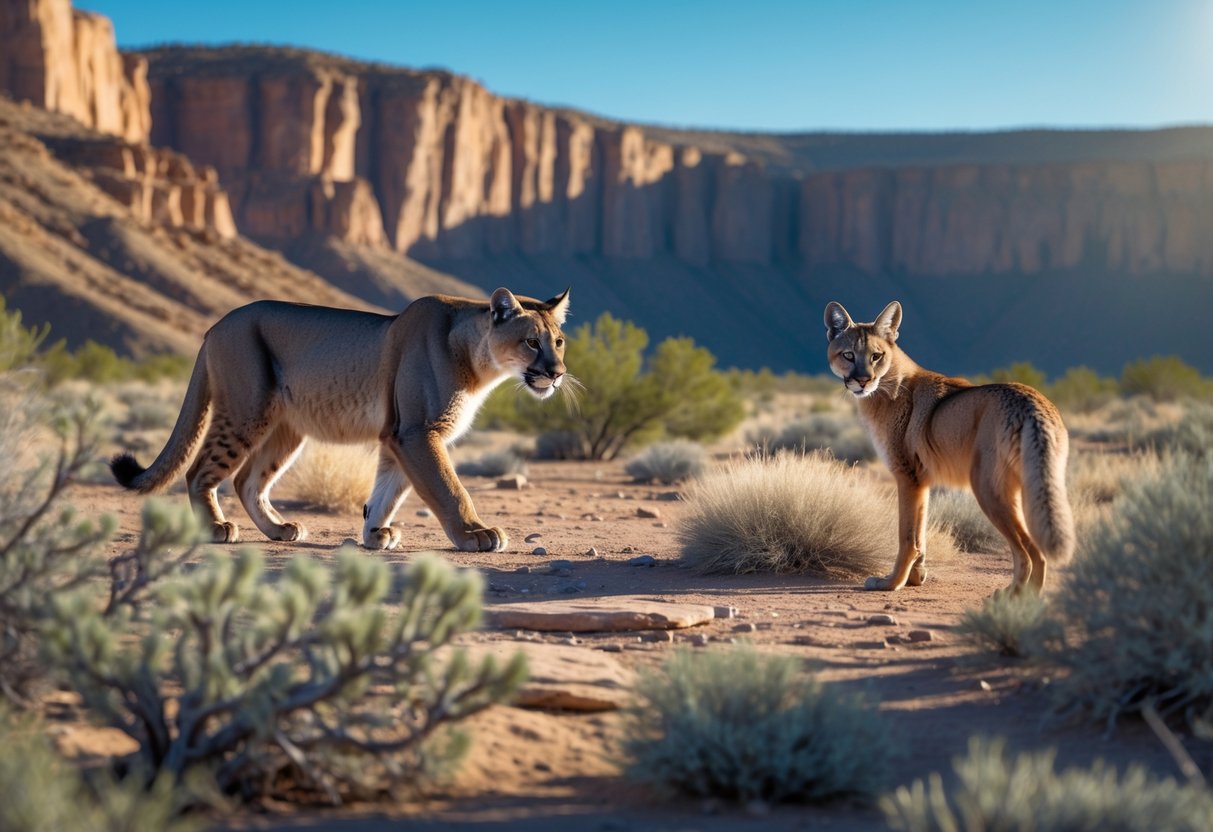
Which predators go after coyotes really depends on where the coyote lives. Forests, deserts, and grasslands all have their own risks.
Surprisingly, some threats come from other coyotes or even American alligators. When you start to understand what eats coyotes, you get a clearer picture of how everything in nature connects.
If you’re curious about how these predators hunt or what dangers coyotes face, you’re in for some interesting stuff. It might even change how you see coyotes and their place in the wild.
For a deeper dive, you can check out what eats coyotes.
Predators of Coyotes: Animals That Eat Coyotes

Coyotes deal with all sorts of threats from animals that hunt and eat them. Big mammals, powerful birds, and even reptiles go after them sometimes.
Each group has its own hunting style and tends to target coyotes based on where they live or how big they are.
Mammalian Predators: Mountain Lions, Wolves, and Bears
Mountain lions—some folks call them cougars or pumas (Puma concolor)—go after coyotes regularly. They’re ambush hunters, sneaking up and attacking from behind, usually aiming for the neck.
You’ll find mountain lions in rocky, mountainous spots across North and South America. Besides coyotes, they also eat deer, elk, and smaller mammals.
Wolves (Canis lupus) hunt coyotes mostly when food is hard to find or when they see them as rivals. Wolves travel in packs, and they’re bigger and stronger than coyotes.
They’ll chase or overpower a coyote if they get the chance. Most of the time, wolves eat big hoofed animals, but coyotes sometimes end up on the menu.
Bears—like grizzly, brown, and black bears—sometimes kill coyotes, but they don’t really hunt them on purpose. It usually happens if a bear’s hungry and a coyote is around.
Bears will also scavenge coyote carcasses. Grizzlies and brown bears live across North America and Canada, while black bears have an even bigger range, including parts of Mexico.
Birds of Prey: Eagles and Scavengers
Big birds of prey, especially golden eagles (Aquila chrysaetos) and bald eagles, sometimes hunt coyotes. They mostly go after pups.
Golden eagles have massive wingspans. They soar high, spot coyotes from far away, and then swoop down to grab them with those crazy strong talons.
Bald eagles do something similar, but they’re more likely to attack smaller or younger coyotes, especially if the mom isn’t nearby.
Vultures and other scavengers don’t actually hunt coyotes. Instead, they feed on dead ones.
These birds help clean up carcasses in deserts, grasslands, and forest edges, which is actually pretty important for the ecosystem.
Reptilian Threats: Alligators
The American alligator (Alligator mississippiensis) sometimes preys on coyotes in the southeastern U.S. Alligators hang out near water in swamps and wetlands, waiting for something to get too close.
If a coyote wanders near the edge, the alligator snaps, grabs it, and uses a death roll to drag the coyote under.
Alligators usually eat fish and small mammals, but they won’t pass up a coyote if the opportunity comes up. Since they’re cold-blooded and don’t need to eat as often, they can go days between meals.
But if they’re hungry and a coyote’s nearby, they’ll go for it.
You can find more about coyote predators and their behavior at What Eats Coyotes: The Full List of Coyote Predators.
Predator-Prey Dynamics and Human Impact
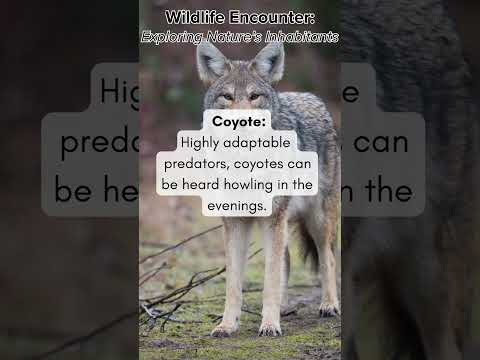
Coyotes run into threats from both wild predators and humans. These dangers don’t just affect individual coyotes—they can change coyote populations and mess with the ecosystem too.
Young coyotes are especially at risk. Apex predators help keep coyote numbers in check, and people also have a big impact on whether coyotes survive.
Predation on Coyote Pups and Intraspecific Threats
Larger predators like gray wolves and mountain lions often target baby coyotes, or pups. For them, young coyotes are easy prey, especially if territories overlap.
Wolves sometimes attack pups to cut down on competition for food.
Coyotes can also be a threat to each other. Occasionally, adults fight—sometimes to the death—over territory or food.
Cannibalism does happen, but it’s pretty rare and usually only when food is really hard to find.
Role in the Food Chain and Apex Predators
Coyotes play a big part as middle predators. They help keep populations of smaller animals like rabbits and rodents under control.
But bigger animals—gray wolves, cougars, and bears—prey on coyotes.
Apex predators all have their own hunting styles. Wolves hunt in packs, working together to catch coyotes.
Cougars use stealth and muscle to surprise them. This keeps the coyote population balanced and helps the ecosystem stay healthy.
| Apex Predator | Hunting Style | Impact on Coyotes |
|---|---|---|
| Gray Wolves | Pack hunting | Control coyote pups and adults |
| Cougars | Stealth and power | Hunt adults |
| Bears | Opportunistic feeders | May kill or scavenge coyotes |
Human Interaction and Effects on Coyote Populations
Humans pose a big threat to coyotes. People hunt them for fur, for sport, or just to keep their numbers down.
They clear out or break up coyote habitats when they build cities or farms. Sometimes, folks use poison or traps to cut down coyote numbers. That ends up harming other wildlife too—maybe more often than we realize.
Coyotes usually steer clear of people, but honestly, they’re pretty clever about surviving near us. Human choices can really mess with nature’s balance.
If you want to dig deeper into what eats coyotes, check out this guide on coyote predators.


