
Trying to keep coyotes away from your yard or pets? Understanding what noises freak them out can make all the difference.
Coyotes really don’t like loud sounds—sirens, barking dogs, human voices, and sudden noises that hint at danger or people nearby. These noises make them uneasy and usually send them running.
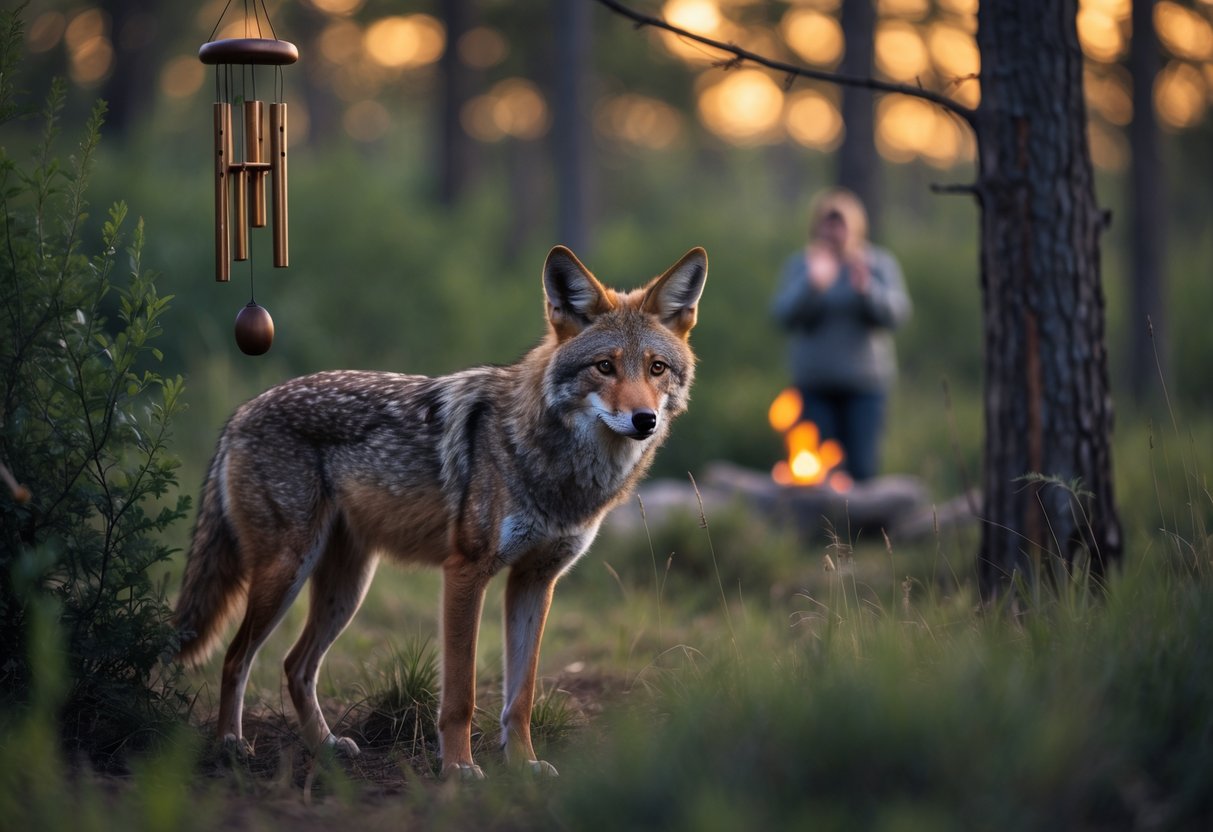
Coyotes act pretty cautious by nature. You can use that to your advantage and protect your space without hurting them.
Figuring out which sounds they hate helps you create a safer spot for your family and pets, but you still show some respect for the local wildlife.
Knowing how coyotes behave gives you an edge in keeping them away. If you use noise wisely, you’ll see fewer of these wild visitors.
Curious about which sounds work best? Let’s dig in.
Noises That Frighten Coyotes

Coyotes react fast to certain noises that mean danger or people are around. These sounds shake up their comfort zone and push them to leave.
If you want to keep your yard or pets safe, using these noises can help.
Loud Bangs and Explosive Sounds
Loud bangs and sudden explosive sounds—think fireworks or banging metal—work wonders for scaring coyotes. These noises jolt them because they mean trouble.
Try banging pots, slamming doors, or even hammering if you spot a coyote nearby. The surprise and volume matter most; coyotes don’t like unpredictability.
They usually steer clear of spots with regular loud noises since they connect those with people or danger.
High-Pitched Screams and Whistles
High-pitched noises, like sharp whistles or screams, unsettle coyotes too. These mimic animal alarm calls and signal that something’s up.
Coyotes hate noises that cut sharply through the air because it feels like a warning.
If you need to scare one off, a loud whistle or a sudden scream might do the trick. These sounds stand out, especially at night or in quiet places.
Barking Dogs and Larger Canine Sounds
Coyotes get nervous around big dogs. Barking or growling from larger breeds tells them to back off.
If you have a dog, letting it bark or even just making it visible can help. Some people even play recordings of dog barks to keep coyotes away.
Coyotes know dogs can chase or fight them, so they usually won’t risk it.
Sirens, Alarms, and Human Shouting
Sirens from emergency vehicles or alarms make coyotes bolt. These sounds are loud, weird, and scream “humans are here.”
Shouting or yelling works too. Coyotes want nothing to do with active people.
If you see one, raise your voice, wave your arms, or make some noise. Remind them you’re not someone to mess with.
Mixing these noises with bold behavior keeps coyotes on their toes and away from your space.
If you want more details, check out 5 Sounds That Coyotes Hate.
Effective Strategies to Keep Coyotes Away

You can use sound, light, and movement to keep coyotes at bay. Mixing these methods and using them regularly works best.
Try noisemakers, motion-activated lights, and deterrent gadgets. These tools make your yard less cozy for coyotes.
Using Noisemakers and Coyote Shakers
Loud noises scare off coyotes because they’re skittish. Grab an air horn, whistle, or bang pots and pans to make a racket.
Even yelling or clapping loudly can send them packing.
You can easily make a coyote shaker at home. Drop some pennies or stones into a soda can, tape it up, and wrap it in foil.
Shake it hard when you spot a coyote, and the rattling will drive them away.
Noisemakers work best if you use them right when a coyote shows up. Pair the sounds with confident yelling so the coyote knows you mean business.
Flashing and Motion-Activated Lights
Bright lights confuse and scare coyotes, especially after dark. Motion-sensor lights snap on when a coyote steps into your yard, catching them off guard.
Flashing lights do something similar—they create a weird effect that coyotes don’t like.
Think about how strobe lights grab your attention at a club; they can work on wildlife too.
Set up motion-activated lights near spots where pets hang out, gardens, or entry points to your yard.
This cuts down on hiding places and makes it less likely coyotes will come back at night.
Hazers and Deterrent Devices
Hazers rely on sudden movements and loud noises to scare coyotes off, but they don’t hurt them. If you spot a coyote, try waving your arms, clapping your hands, or just shout as loud as you can.
That way, the coyote gets the message—you’re not prey, and it should move along.
You can also try commercial deterrent devices like motion sensor alarms or sprinklers. These jump into action with noise or a burst of water when a coyote wanders into your yard.
Some folks put ammonia-soaked rags near places where coyotes might sneak in. The smell is pretty strong, and coyotes really don’t like it.
Mixing hazing with noisemakers and bright lights can make your place feel unwelcoming to coyotes. When you use several of these methods together, coyotes usually decide it’s not worth hanging around.
If you want more details about noisemakers and how they work against coyotes, check out this guide on using noisemakers and coyote shakers.


