
Coyotes show up in lots of neighborhoods these days, and it’s normal to wonder if they pose a real threat to you or your family. Coyote attacks on humans don’t happen often, but they’re not impossible—especially if you have small kids or pets around. Understanding what makes coyotes tick can help you avoid trouble and feel a little more at ease.

You really don’t have to be terrified, but you should know what to do if you spot a coyote nearby. Most coyotes keep their distance from people, but some get a little too bold when they lose their fear.
Learning how to protect yourself and your pets can give you some peace of mind. It also keeps these wild animals at a safer distance.
Will A Coyote Harm You? Understanding the Real Risks
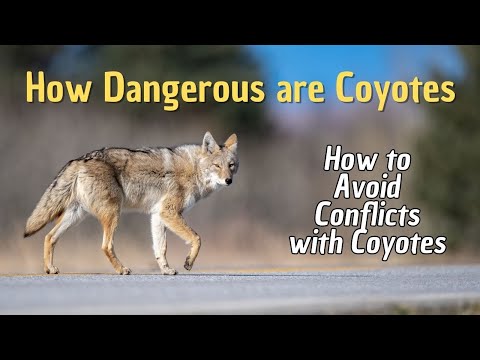
Coyotes usually act pretty cautious around people, but some situations can make things riskier. It helps to know how dangerous coyotes actually are, how often attacks really happen, and what might put you at more risk.
How Dangerous Are Coyotes to Humans?
Coyotes are wild predators, but they don’t look at people as prey. Most of them are skittish and avoid getting close.
They might bite or scratch if they feel threatened, but attacks on adults almost never happen and rarely end up fatal.
Coyotes weigh somewhere between 20 and 50 pounds. They go after small animals like rabbits and rodents.
They can run fast and bite hard, but they don’t hunt people. Kids and pets, though, are more at risk because of their size.
Coyotes sometimes carry rabies, which makes them act more aggressive. If you see a coyote acting weird or way too bold, stay away.
Knowing these things makes it easier to spot real danger compared to normal, wild animal behavior.
Frequency and Severity of Coyote Attacks
Attacks on humans don’t happen very often. One study found about 367 coyote attacks in the U.S. and Canada between 1977 and 2015.
Most of those attacks involved adults. Only two people have died from coyote attacks—one in the 1980s and one in 2009.
Usually, people get scratches or bite wounds. Serious injuries mostly happen to young kids or when someone tries to save their pet.
Coyotes might bite if they feel trapped or want to defend themselves.
Most attacks happen in places where coyotes and people live close together, like suburbs or parks. Easy food sources make these encounters more likely.
Situations That Increase the Risk of Coyote Encounters
Aggressive coyotes usually got used to people. Feeding them makes them bold and less afraid.
You’ll see coyotes the most at dusk and dawn, but they can show up anytime—especially if there’s food or pets around.
During breeding season, from January to March, they might act more aggressive.
Leaving pet food or garbage outside brings coyotes closer. If you let small pets outside alone at night, they’re at higher risk.
Don’t run if you see a coyote—it might chase you. Instead, keep eye contact, make some noise, and try to scare it off.
For more ways to stay safe, check out this guide on coyote dangers and safety.
Why Coyotes Attack and How to Stay Safe

Coyotes usually want nothing to do with humans, but sometimes they act aggressively. If you understand why this happens and learn to spot the signs early, you can stay out of trouble.
A few simple steps can really lower your chances of a bad encounter.
Reasons Coyotes May Become Aggressive
Coyotes get aggressive if they feel threatened or trapped. Protecting their young during mating season is a big reason for this.
If a coyote thinks your pet is prey, it might attack.
Feeding coyotes makes them lose their fear of people, which can lead to trouble. Leaving pet food or trash outside attracts them.
Sick or hurt coyotes might act strangely, too.
Attacks on adults almost never happen, but you should watch out for kids and small pets—especially at night.
Recognizing Coyote Behavior and Warning Signs
Coyotes usually keep quiet and stay away from people, but they do give off warning signs. You just have to pay attention.
If a coyote freezes and stares at you, it’s sizing up the situation.
Growling, snarling, or fur standing up means the coyote feels threatened. If it circles or stalks, it might see you or your pet as prey.
If you spot a coyote in your yard, don’t run. Stay calm, make yourself look bigger by raising your arms, and slowly back away while keeping eye contact.
That shows the coyote you’re not an easy target.
Effective Tips to Prevent Conflicts
Try to keep your yard tidy—lock up your trash and pick up any pet food left outside. Seriously, don’t feed coyotes. They’ll lose their fear of people if you do, and that’s not good for anyone.
Always walk your pets on a leash. Letting them wander, especially at dawn or dusk, just invites trouble since that’s when coyotes like to hunt.
Put up some fencing or try repellents if you want to keep coyotes off your property. It’s not foolproof, but it helps.
Spot a coyote nearby? Make some noise, wave your arms, or toss something (not at it, just near) to scare it off. Don’t hesitate to call animal control if a coyote acts aggressive—they need to know about it.
You can take these steps to protect yourself, your loved ones, and your pets from coyote encounters. Want more tips? Check out how to avoid conflicts with coyotes.


