
Ever catch a glimpse of a wild canine in your neighborhood or out on a trail and wonder, was that a coyote or just somebody’s dog? Honestly, the easiest way to tell is by checking out their size, how they act, and their body shape. Coyotes usually look lean and sharp, with long legs and features, and they tend to run with their tails down. Dogs, on the other hand, come in all shapes and sizes—some have floppy ears or keep their tails up and wagging.
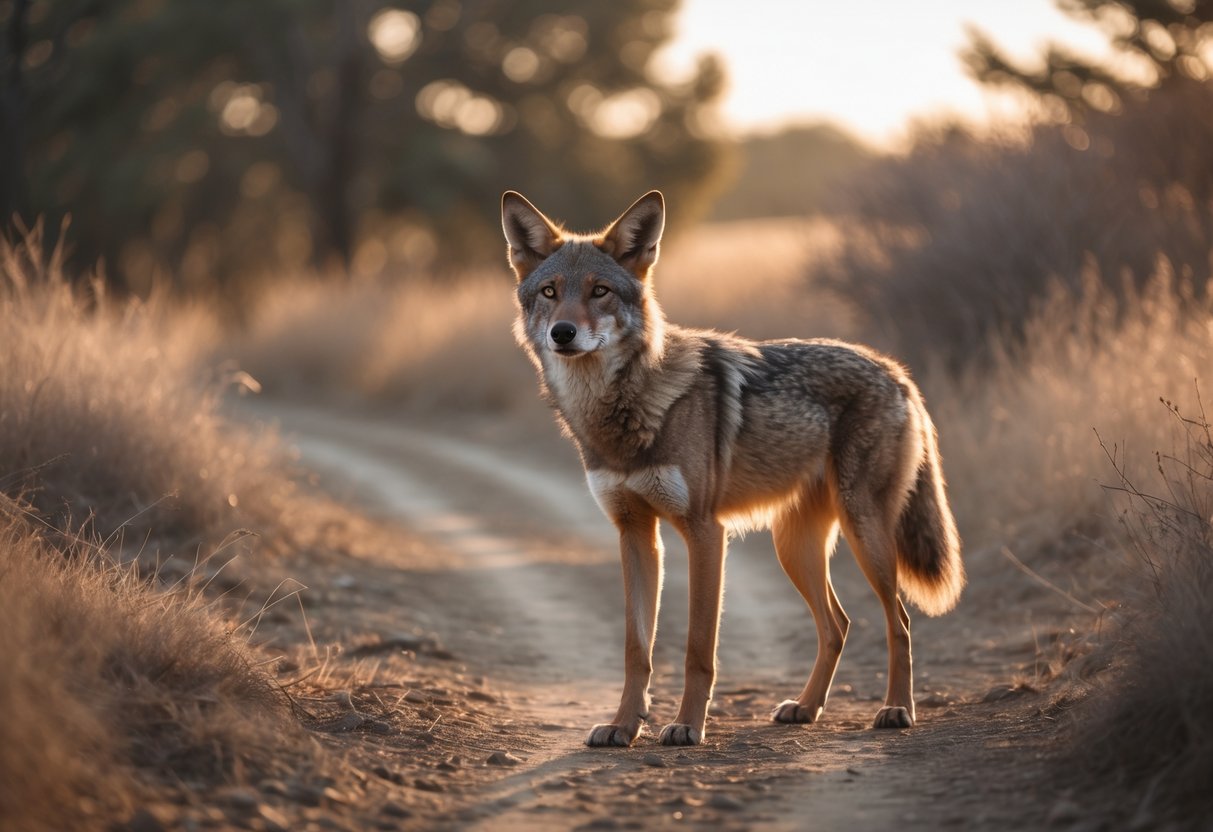
The difference isn’t just about looks. Coyotes mostly stick to wild spaces and steer clear of people. Dogs rely on humans and tend to be more playful and social.
If you can figure out these signs, you’ll have a better idea of what you’re seeing—and how to react if you run into one of these animals.
Some dogs, like German Shepherds or huskies, can really throw you off because they look a lot like coyotes. It’s worth knowing the clues so you can spot who’s actually roaming around—whether it’s a neighbor’s pet or a wild visitor.
How to Tell the Difference Between a Coyote and a Dog

You can spot differences in how coyotes and dogs look, act, and even the sounds they make.
Paying attention to these little details really helps you figure out if you’re seeing a wild animal or a pet.
Physical Appearance and Key Traits
Coyotes generally look skinnier than most dogs. They’ve got long legs and a narrow, pointed face.
Their fur is usually grayish-brown, which lets them blend into woods or fields pretty well.
One thing that stands out is their bushy tail, which usually hangs low when they walk.
Dogs, of course, come in every shape and size you can think of. Some small dogs look nothing like a coyote, but medium to large breeds—think German Shepherds—can look pretty similar.
Dogs tend to have bigger, rounder paws, and their tails often curl up or wag.
A coyote’s chest is narrower and deeper, and their “elbow” joint sits lower on the leg than a dog’s. That’s a small detail, but it’s there if you look.
Behavioral Differences in the Wild vs. Urban Areas
Coyotes usually act shy and avoid people. You’ll often see them alone or in a small family group, moving quietly at dawn or dusk.
They hunt for food like small mammals and birds, and they’ve gotten pretty good at surviving in wild and even suburban places.
Dogs behave differently because they’re domesticated. They like hanging around homes or fenced yards and usually want attention from people.
You’ll see dogs playing, barking for attention, or just waiting by the door or their food bowl.
Coyotes stay cautious and don’t hang around human spaces much during the day. They’re focused on survival, while dogs just want companionship and care from people.
Vocalizations and Communication Styles
Coyotes have a pretty unique way of talking. They use high-pitched howls, yips, and barks—sometimes it sounds almost like a song at dusk or dawn.
These calls help them talk with family and mark their territory.
Dogs? Well, they’ve got a huge range of barks. Some are deep and loud, others are sharp and yappy.
Dogs bark to get attention or warn their owners, but coyotes use their calls mostly for pack communication.
If you listen closely, a coyote’s howl sounds more like music in the night, while a dog’s bark is usually more direct and changes based on their mood.
You can actually learn a lot just by listening to the sounds in your neighborhood.
For more details about telling them apart, check out this article on 10 key differences between coyotes and dogs.
Coydogs and Dog Breeds Often Confused With Coyotes
Sometimes you’ll see an animal that looks like a coyote, but it’s not. Some are hybrids called coydogs, and others are just dog breeds with similar features.
Knowing how to spot the differences helps you figure out what you’re actually seeing.
What Is a Coydog?
A coydog comes from a male coyote and a female domesticated dog. These hybrids pick up traits from both parents.
Coydogs might look a lot like coyotes but can show more dog-like behavior or physical quirks.
Coydogs don’t show up often in the wild because coyotes and dogs have different mating seasons. Still, when it happens, their pups can be fertile for a few generations.
You might notice a coydog with a wild coat like a coyote, but sometimes they act friendlier or more curious, just like a dog.
You can dig deeper into what a coydog is by checking out this Coydog overview on Wikipedia.
Popular Dog Breeds That Look Like Coyotes
Some dog breeds really do look like coyotes, and it’s easy to get confused. These breeds usually have slim bodies, pointy ears, and coats that are kind of the same color as coyotes.
Here are a few dog breeds people often mistake for coyotes:
- Shiba Inu: Small, alert, with fox-like faces and similar coloring.
- Alaskan Klee Kai: Like a mini husky, but with sharper features.
- German Shepherd mix: Some mixes have the size and coloring to pass as a coyote.
- Basenji: Sleek coat and pointy ears that look a lot like a coyote’s.
If you know these breeds, you’ll have a much easier time figuring out if you’re looking at a wild coyote or just a dog with a similar vibe.
Hybrid Traits and Identification Tips
Coydogs mix coyote and dog traits, so spotting one can get a little confusing. Here’s what you might notice:
| Trait | Coydog | Coyote | Dog |
|---|---|---|---|
| Coat Color | Usually coyote-like, often tan or gray | Tan, gray, reddish | Wide range, often more varied |
| Behavior | Shy, cautious, but sometimes curious | Wild, shy, avoids humans | Varies; often more social |
| Tail | Bushy with coyote scent glands | Bushy, held low or straight | Usually varies, often wagging |
| Size | Intermediate between coyote and dog | Medium-sized, lean | Varies by breed |
Coydogs might act shy, but you could catch a flash of playful dog energy in them too.
They’re tougher to manage than regular dogs, but you probably wouldn’t call them totally wild either.
If you watch how they move or interact, or just look at their build, you can sometimes tell if you’re seeing a coyote, a dog, or maybe a coydog.
Want to dig deeper into coydog behavior and quirks? Check out this Coydog hybrid guide.


