
Ever wondered if coyotes are usually friendly? Honestly, coyotes are wild animals—they mostly keep their distance from people and don’t act like pets at all. They don’t seek out human company and almost always try to avoid us if they can.

Sometimes you’ll spot a coyote looking pretty relaxed in a city neighborhood. That doesn’t mean it wants to be friends.
Coyotes act out of survival, not friendliness, and they stay away unless something—like food—draws them in or they feel threatened.
If you know a bit about how coyotes behave, it’s easier to stay safe and figure out what to do if you cross paths with one.
Getting the facts helps take away some of the worry, and you might even find ways to live nearby without much trouble.
Are Coyotes Usually Friendly Toward Humans?
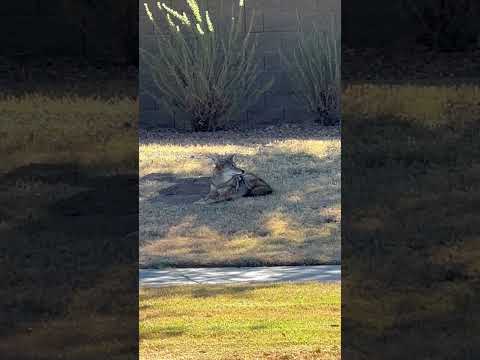
Coyotes stick to themselves and mostly avoid people. Their actions come from instinct and the environment they’re in.
If you know how coyotes act around humans and pets, it’s a lot easier to keep yourself safe.
Instinctive Wariness in Coyotes
Coyotes act shy and cautious around people. Most of the time, they try to stay hidden.
They keep their distance because they see humans as a threat. That’s just how they survive.
You’ll usually find coyotes moving around at night or in the early morning. This helps them avoid us.
If a coyote feels trapped or scared, it might get aggressive to protect itself. But most of the time, it runs away if you make noise or wave your arms.
Coyotes use howls and yips to warn each other about territory. Because they’re driven by survival, it’s best not to approach or feed them.
That way, you and the coyotes both stay safer.
Rare Cases of Tame or Habituated Coyotes
Sometimes, coyotes get used to people if they find food near homes or in trash cans. These coyotes might act bolder and less afraid.
They might hang around people or pets more, but that doesn’t mean they’re friendly.
Habituated coyotes can cause trouble because they lose their natural fear. This puts you and your pets at risk.
Don’t feed coyotes or leave pet food outside. Even if a coyote seems calm, remember it’s still wild.
Trying to tame or domesticate them isn’t a good idea. Giving them space is the best way to keep everyone safe.
Coyotes and Interaction with Pets
Coyotes look at small pets—like cats or tiny dogs—as prey, especially around dawn or dusk. If you walk your dog, use a short leash, and keep cats inside.
Never leave small pets out alone. Coyotes might see them as easy targets.
Make your yard less tempting by locking up trash and not leaving food outside.
If a coyote comes close to your pet, stay calm but act confident. Make loud noises or wave your arms to scare it off.
These steps help protect your pets and remind coyotes to stay wild.
For more info on keeping pets safe near coyotes, check out Urban Coyote Research.
Coyote Social Behavior and Adaptability

Coyotes live in groups and count on strong family bonds to get by. Their knack for adapting helps them survive near cities and out in the wild.
You’ll see their social lives change as they grow from playful pups to cautious adults.
Coyote Family Dynamics and Social Bonds
Coyotes usually form packs led by a dominant male and female—usually the parents. The pack includes their pups and sometimes older kids from past years.
They work together to hunt and protect their territory.
Coyotes communicate with howls, barks, and scent marks. This keeps outsiders away and builds trust in the group.
The pack shares food, watches the pups, and teaches them how to survive.
If you look at their social structure, it’s clear why coyotes stick close to family and avoid people. They rely on each other for safety and hunting.
Behavioral Differences Between Pups and Adults
Pups are curious and playful. They love to explore and often practice their hunting skills by turning everything into a game.
This stage really matters for survival. Young coyotes use play to figure out how the world works.
Adults act differently. They’re more cautious and focused, always watching for danger.
You’ll usually spot them protecting the pack’s territory. They keep their distance from humans and seem extra alert, especially after dark.
As pups grow, they start joining in on hunts and help defend the pack. These experiences teach them what it means to be an adult coyote.
If you want to dig deeper, check out this research on coyote behavior and social living.


