
Ever heard someone call a person a “coyote”? It sounds odd at first, right? In this sense, a coyote is a person who helps others cross the U.S.-Mexico border illegally, usually for a fee.
These guides play a huge part in helping migrants navigate risky and often dangerous crossings.

Coyotes have stuck around for ages, always adapting as border security tightens. They don’t just guide people; they recruit migrants, keep an eye on border patrol movements, and use secret signals to dodge capture.
If you understand what coyotes do, you’ll get a better sense of the challenges migrants face.
Whether you’re curious about immigration or just want to know what the word means, learning about coyotes opens up a part of a complicated story. It’s not just about sneaking across a line.
Meaning and Role of a Coyote
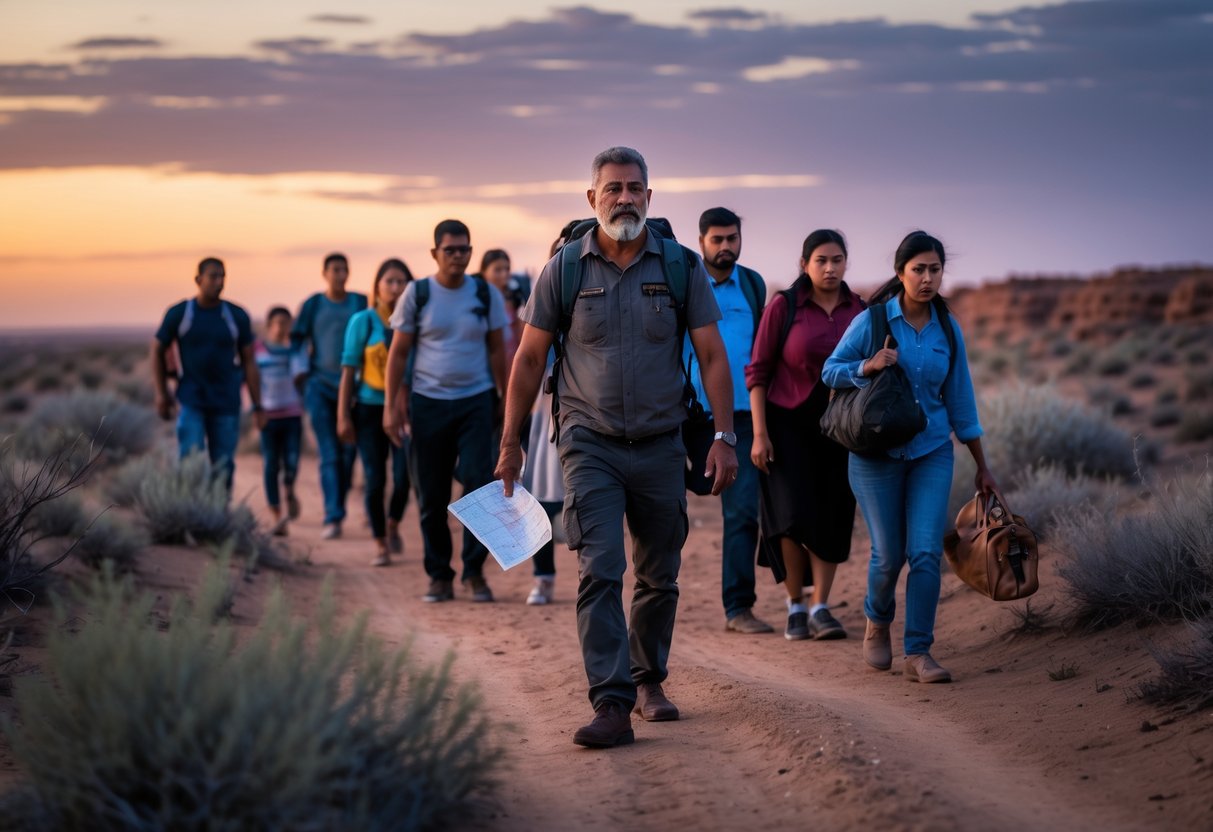
A coyote is a person who helps migrants cross the border between Mexico and the United States. You’ll see what coyotes actually do, how the word picked up its slang meaning, and the different ways coyotes operate.
Definition of Coyote as a Human Smuggler
A coyote helps people cross the border illegally for money. They guide migrants along dangerous paths and do their best to avoid border patrols.
Coyotes have played this role since at least the late 1800s.
Some coyotes act as middlemen, connecting migrants to jobs in the U.S.—kind of like the old enganchadores who recruited workers for American companies.
Modern coyotes arrange transport, find safe houses, and know all the tricks to avoid law enforcement.
Migrants usually pay them once they reach their destination. Coyotes rely on their inside knowledge of patrol schedules and the local terrain to make the crossing less risky.
Slang Evolution and Linguistic Origins
The word “coyote” comes from the Nahuatl word coyotl. Spanish speakers borrowed it for the wild animal, and it stuck.
In English slang, “coyote” started to mean someone who smuggles immigrants across the border. You’ll hear this term in both Mexico and the U.S.
Coyotes often use their own secret slang and codes to keep things discreet. Nicknames and signals help them dodge the authorities.
The slang shows how coyotes act as guides and protectors—at least in theory—during dangerous journeys. It’s interesting how a word for an animal became a term for a whole underground profession.
Types of Coyotes and Their Operations
Coyotes work in different ways, depending on what migrants need. There are two main types: interior coyotes and border coyotes.
- Interior coyotes recruit migrants inside Mexico and get them ready for the trip.
- Border coyotes handle the actual crossing near the U.S. border.
Coyotes often work in organized groups, and everyone has a job:
| Role | Description |
|---|---|
| Vaquetón | Recruits migrants within Mexico |
| Cuidandonos | Distracts border patrol, helps with crossings |
| Chequador | Watches for border patrol movement |
| Bosses | Manage funds and operations |
Each role matters for getting migrants across and staying under the radar.
Migrants rely on their experience and connections to make such a risky trip possible.
Cultural, Social, and Legal Aspects of Coyotes
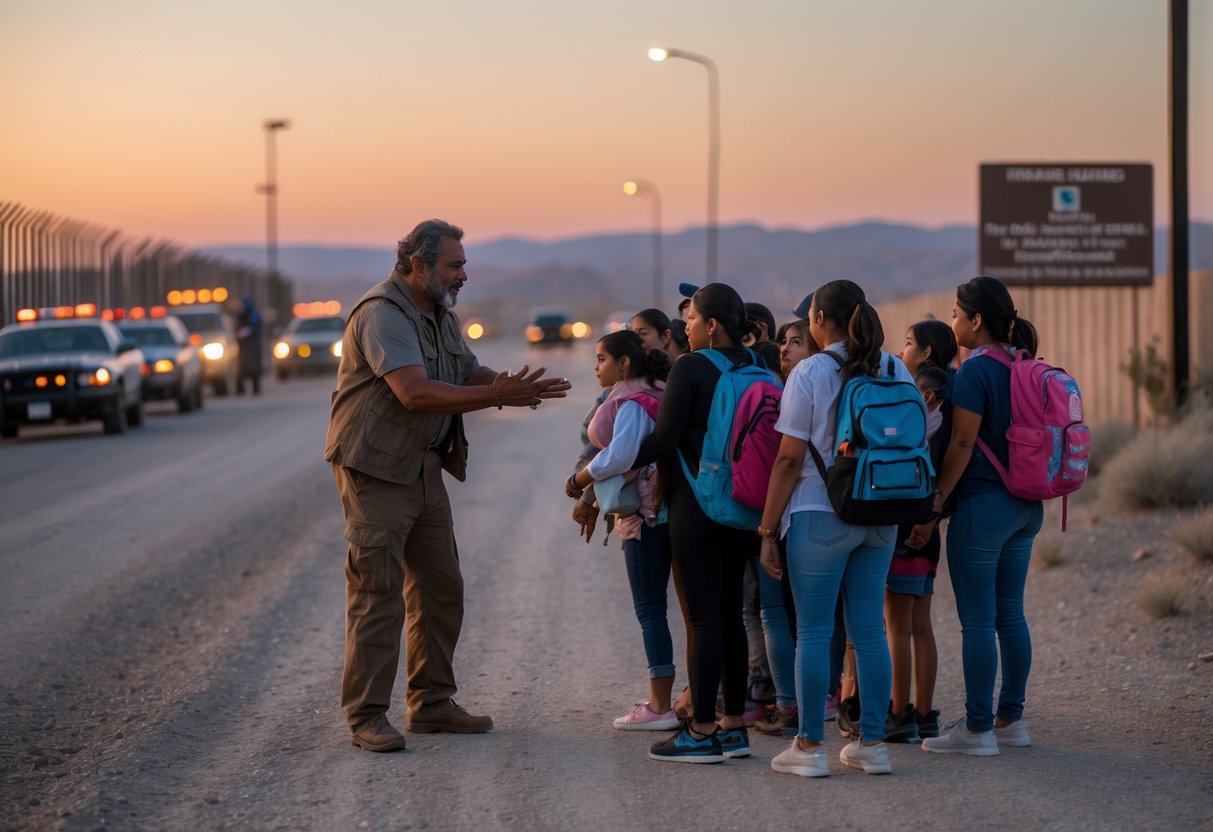
Coyotes play a complicated role in migrant journeys to the U.S. Their work has deep historical roots, faces constant law enforcement pressure, and affects migrants and border communities in all sorts of ways.
Historical Development of Coyotes
The name coyote comes from Mexican Spanish, and it originally meant the wild dog, Canis latrans. People started comparing the animal’s cleverness and adaptability to the human coyotes who guide migrants.
The coyote’s role goes back to the late 1800s, when U.S. laws began restricting certain immigrant groups. Labor demand still existed, so migrants leaned on middlemen called enganchadores to help them travel for work.
These early recruiters acted a lot like the first coyotes, connecting workers to jobs.
Over time, coyotes became vital for crossing borders that grew more heavily guarded by Border Patrol and other agencies. Their roles shifted, kind of echoing old trickster characters from Aztec and Indigenous stories—where coyotes could be helpful but also sneaky.
Connections with Cartels and Criminal Organizations
These days, many coyotes work alongside or under the influence of drug cartels and bigger smuggling groups. Cartels control the main routes, safe houses, and the flow of migrants through Central America and Mexico.
Coyotes often operate as part of organized networks with different roles—recruiters, guides, lookouts. Bosses, or patrones, handle the money and run the operations, sometimes owning safe houses near the border.
This makes the journey even more dangerous. Cartels might demand extra fees or use violence to protect their turf.
With these groups involved, border security agencies like the Border Patrol have a tougher time stopping smuggling, since coyotes and their partners use clever tricks to avoid getting caught.
Impact on Migrants and Communities
Coyotes give migrants a way into the U.S., but the price isn’t cheap. Migrants hand over big fees and deal with serious risks—harsh border conditions, abuse, or even arrest.
In border communities, you’ll notice coyotes and smuggling rings stir up both economic activity and social headaches. Safe houses might give migrants a place to rest for a bit, but sometimes they turn into sites of exploitation.
Honestly, while coyotes do help some people cross, their involvement can make migrants more vulnerable to crime or legal trouble. The Department of Homeland Security keeps trying to cut down illegal crossings, but with so few legal options, many migrants feel like they have no choice but to turn to coyotes.


