
Spotting a coyote nearby can leave you wondering if you should try to chase it away. Honestly, yes—you should try to scare it off by making yourself look big and loud, but don’t actually run after it. Running tends to trigger a coyote’s instinct to chase, which just makes things trickier.
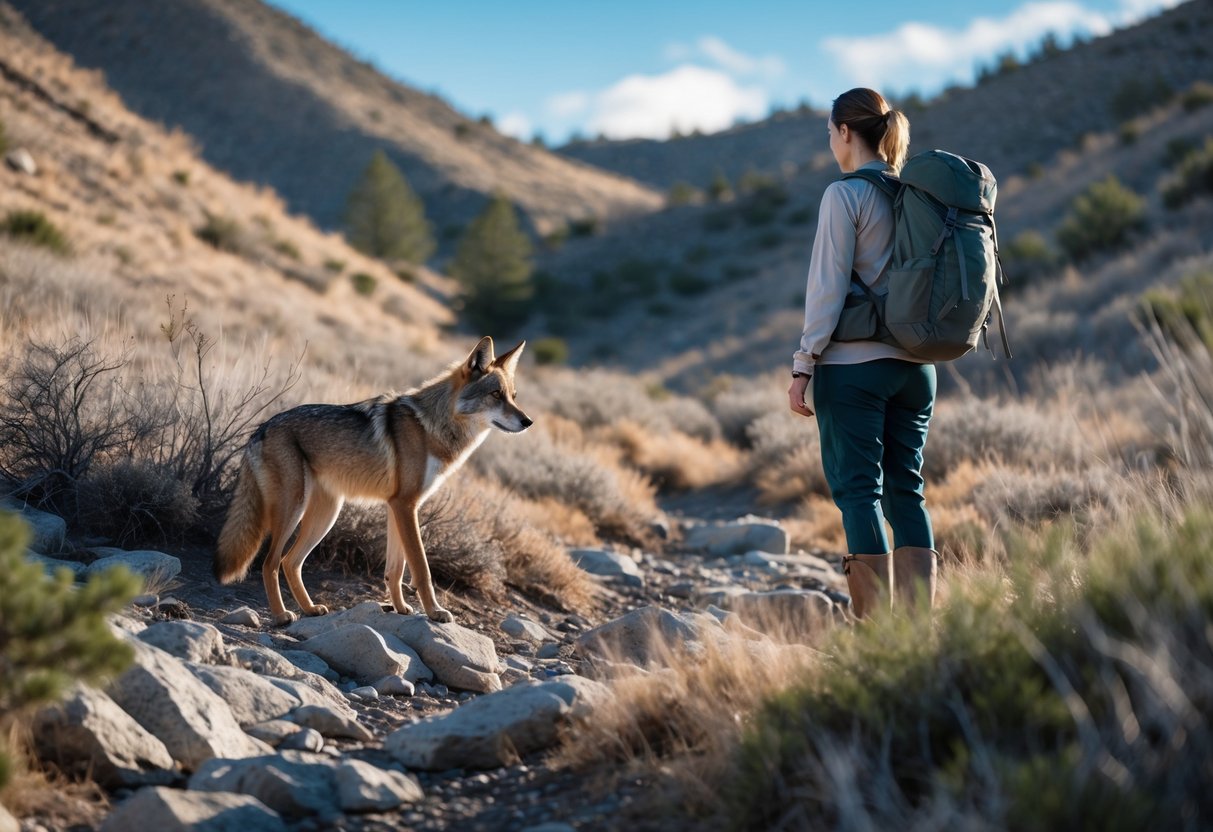
Coyotes usually want nothing to do with people. If you stand your ground and act confident, you send a clear message: you’re not prey.
That approach keeps you safer and teaches coyotes to steer clear of you and your space.
Knowing how to react can really make a difference if you run into a coyote. Let’s talk about what you should actually do to protect yourself and your pets when these surprises happen.
Why Chasing Coyotes Is Dangerous
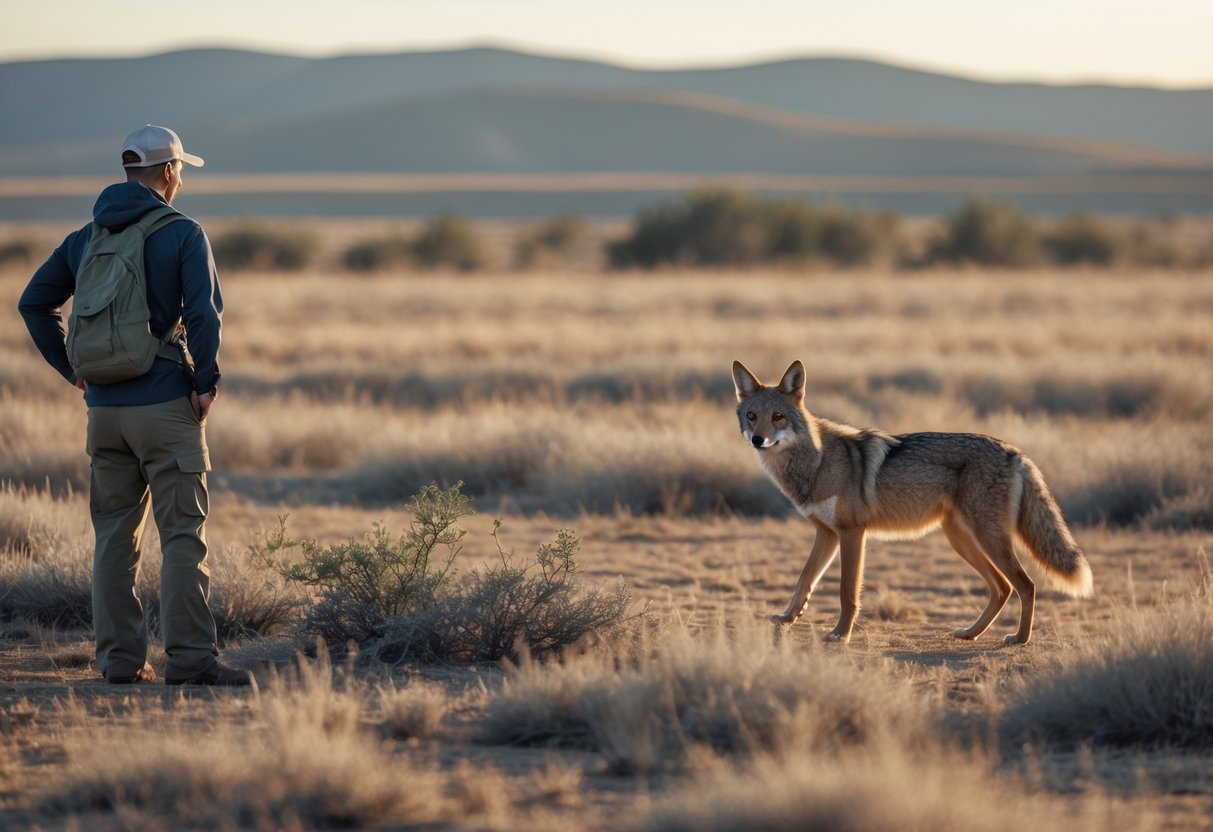
Coyotes react in certain ways when they spot you, and your response shapes their next move. If you provoke or chase a coyote, you make things riskier for yourself and anyone close by.
Understanding their behavior helps you avoid making things worse.
Coyote Behavior During Encounters
When you run into a coyote, it usually avoids you. Most coyotes are shy and bolt if they sense danger.
But if a coyote gets used to humans, it might not run. Sometimes, it may even come closer, which isn’t good.
Coyotes are predators and can run fast. If you run, you trigger their chase instinct, so they’re more likely to follow.
Standing your ground is just safer. Coyotes notice if you look scared or weak, so staying calm and confident makes a difference.
Risks of Provoking Coyotes
Chasing a coyote brings problems. You might stress or scare the animal, and it could act aggressively.
You also teach it that humans aren’t scary, so it might come back for more trouble.
If coyotes feel cornered, they sometimes defend themselves. This can lead to bites or injuries, especially with pets or kids around.
Your best bet? Scare them off from a distance with loud voices and big movements, but don’t run after them.
How Coyotes React to Human Actions
Coyotes watch you closely. If you stay calm and wave your arms to look bigger, they usually back off.
Shouting or making noise tells them you’re not easy prey.
If the coyote doesn’t leave, try tossing small objects or spraying water. Chasing or running just encourages their hunting instincts.
If you teach coyotes that humans are unpredictable, they’ll stay wild and avoid people.
Don’t feed them or leave food outside. Coyotes will start seeing humans as a food source and lose their fear.
That leads to bold run-ins in your neighborhood. For more details, check out what to do if you see a coyote.
Safe Actions During a Coyote Encounter

When you meet a coyote, your goal is to keep it afraid of you. You want to make sure it doesn’t get comfortable around people.
Act in ways that show you’re not prey and discourage the coyote from coming closer. Never feed it or let it feel at home.
What to Do Instead of Chasing
Chasing a coyote makes it see you as prey or even a playmate, which is risky. Instead, stand your ground.
Back away slowly while facing the coyote. This shows you’re not scared and gives it room to leave.
If the coyote sticks around, make yourself bigger and louder to scare it off. Running might trigger a chase, so don’t do it.
Stay calm but assertive. That keeps both you and the coyote safe.
Making Yourself Look Big
Raise your arms or open your jacket wide to look bigger. If you’ve got a backpack, hold it over your head.
Stand tall and make yourself as large as you can. That usually scares coyotes and shows you’re not easy prey.
If you’re with others, stand close together and raise your arms as a group. Your group will look more threatening.
Don’t crouch or turn your back. That just makes you look weak.
Using Loud Noises and Hazing Techniques
Shout, clap, or bang things together to make loud noises. That often scares coyotes away fast.
You can stomp your feet or throw small harmless items like sticks to push it off without hurting it.
Hazing reminds coyotes to keep their distance from people. If the coyote runs a bit and looks back, keep making noise and move toward it.
That teaches it not to hang around people or yards.
Never Feed Coyotes or Wild Animals
Feeding coyotes? That only leads to trouble. When people give them food, coyotes start seeing humans as a source of snacks, not something to avoid.
They get bolder, and sometimes that means they’ll come too close for comfort—or even go after pets. So, make sure your trash stays secure. Pick up any pet food, and don’t leave scraps lying around outside.
If you skip feeding coyotes, you’re actually helping them stay wild. Plus, you’re making it less likely they’ll wander into your neighborhood. Feeding wild animals just creates bad habits that are tough to undo.


