
If you’ve heard someone mention “coyote” in slang, odds are, they aren’t talking about the animal. In slang, a coyote means a person who helps others cross the border between Mexico and the United States illegally, usually for a fee.
These guides lead people along risky paths to dodge border patrols and help migrants get where they want to go.

You might wonder why this job even exists or how it started. Over time, coyotes have built up a whole system with different roles to make crossing easier and a bit safer for migrants, even as border security keeps getting tougher.
Understanding this slang term gives you a glimpse into a complicated situation that touches a lot of lives. Let’s dig into what coyotes actually do and how the system works.
Primary Slang Meanings of Coyote
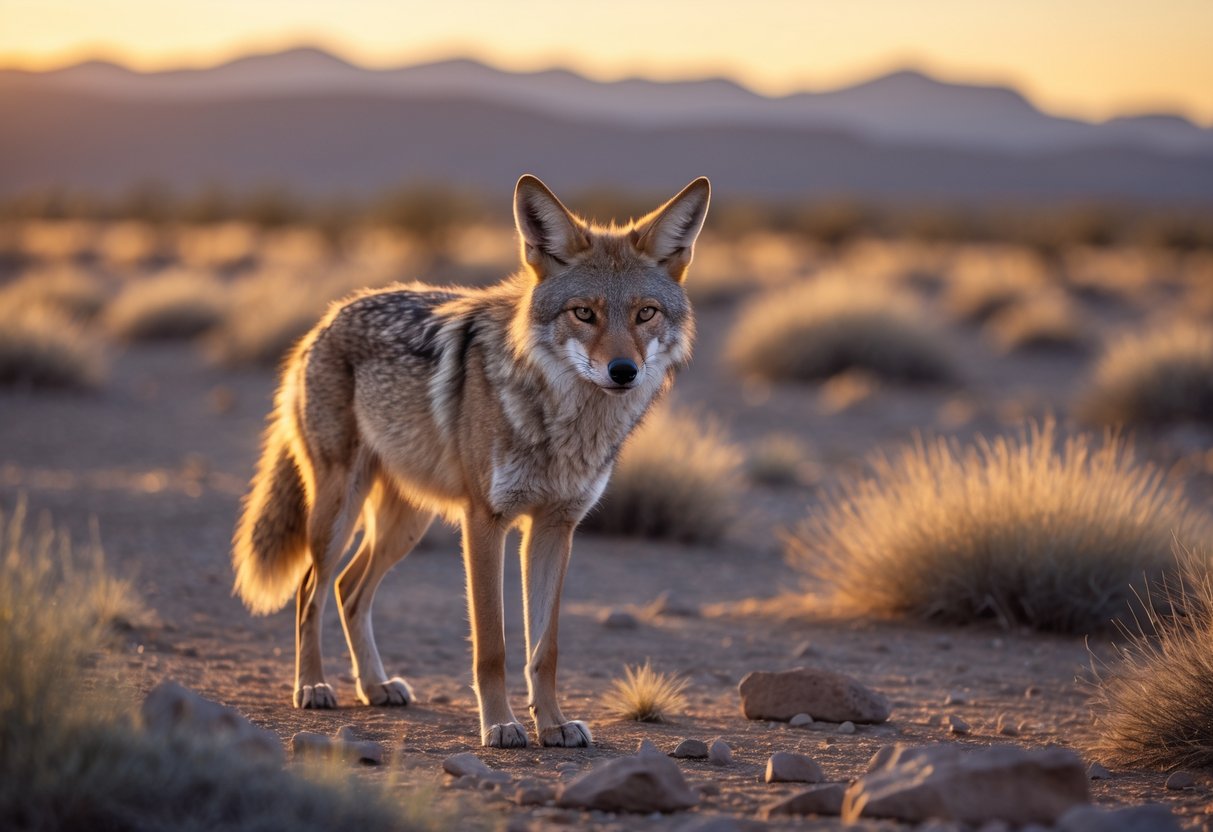
The word “coyote” has a few slang meanings, but it almost always points to a specific type of person. Usually, it’s about crossing borders in risky ways, though you’ll hear it pop up in other situations too.
You’ll notice it in online chats and everyday talk, where the meaning can shift a little depending on who’s saying it.
Human Smuggling Across Borders
In slang, a coyote helps people cross the U.S.-Mexico border illegally. These guides charge money and lead migrants through dangerous places like deserts and rivers.
They pick routes to avoid border patrols. Coyotes often work in teams—some find migrants, others keep an eye out for officials, and leaders run the show.
This job brings a lot of risk because migrants face harsh conditions, and sometimes coyotes care more about money than safety.
The slang ties straight to border history and migration struggles. It highlights real dangers and shows why some migrants feel they have no choice but to trust these guides.
If you want to see more about this meaning, check out what is a coyote in English slang.
Other Informal Uses in English
Outside of smuggling, “coyote” can mean someone who’s sly or sneaky. People borrowed this from the animal’s reputation for being clever in stories and folklore.
Sometimes, folks call a tricky person a coyote to point out how they outsmart others. You’ll also hear “coyote” used in less common ways.
In some places, it can mean someone who smuggles goods, not just people. The meaning really depends on where and how you hear it, so context matters a lot.
This broader use shows how slang can stretch and shift. Even so, it usually sticks to ideas of cunning or secretive behavior, especially around smuggling.
Usage in Online and Urban Slang
Online and in urban slang, “coyote” mostly keeps its link to human smuggling. People sometimes use it as a kind of code when talking about border crossings, hoping to avoid attention.
Urban slang adds words like vaquetón (the recruiter), chequador (the lookout), and patrón (the boss). These terms describe different jobs in the smuggling operation and help people keep things private.
You’ll spot “coyote” on social media, forums, or in news stories about immigration. This slang has grown into a special way of talking, especially among migrants and those involved in crossing borders.
For more on these slang roles, check out Understanding Coyote Slang and Its Meanings.
Cultural and Social Context of Coyote Slang

The word “coyote” goes way beyond just being slang for a smuggler. It touches on how people see migration in movies, the real effects on communities, and the legal mess faced by those crossing borders.
This term sits right in the middle of history, culture, and debates that are still going on.
Portrayal in Pop Culture and Media
If you watch movies or TV about immigration, you’ll notice coyotes often show up as mysterious or tough guides. Sometimes, they look like helpers, but other times, they come off as dangerous or greedy.
This mixed image really shapes what people think of coyotes. Media usually focuses on the risks that immigrants face, with coyotes as a symbol of that danger.
Stories often highlight their role in risky crossings, but rarely dig into why migrants use their services in the first place.
Films, documentaries, and news keep the coyote image alive and sway public opinion. Depending on how the story goes, you might end up feeling sympathy or fear.
Impact on Society and Migration
Coyotes play a huge role in how migration works between Mexico and the U.S. Many migrants turn to them because crossing legally can feel impossible.
Without coyotes, some people just wouldn’t have a shot at reaching jobs or safety. The price for their help can get steep, and fees change depending on the route and risks.
Sometimes, migrants face scams or dangerous situations. Coyotes don’t all do the same thing—some organize big groups, while others act as lookouts or guides.
This system keeps changing as border security gets tighter. Coyotes shape communities on both sides of the border.
They affect migration flows, local economies, and even family ties.
Legal and Ethical Implications
People who use a coyote in the U.S. break the law, and authorities can arrest or deport them. After events like 9/11, laws tightened, making crossing the border even riskier.
Coyotes spark a lot of debate. Some folks say they take advantage of desperate people. Others think coyotes fill a gap because legal migration feels out of reach or just unfair.
Law enforcement tries to break up coyote networks, but these groups operate in secret and keep things complicated. Migrants face a tough choice—risk getting in trouble with the law or stay somewhere with few opportunities.
When you look at this term, you see a mix of law, survival, and morality. These layers show up in stories, policies, and honestly, in daily life connected to the coyote.
For more on this, you can explore Coyote (person) on Wikipedia.


