
If you own a dog and live where coyotes hang around, you’ve probably wondered if your big pup is actually safe. Most of the time, coyotes steer clear of large dogs just because of their size and the way they carry themselves.
Big dogs usually spook coyotes, so run-ins are less risky for your pet.

Still, coyotes can act aggressive if they feel threatened or if a dog wanders too close to their turf.
Knowing how coyotes react to different-sized dogs can help you keep your pet safe while you’re out for a walk or just hanging out in the yard.
It’s all about finding that balance between caution and enjoying the outdoors with your dog.
Are Coyotes Afraid of Big Dogs?

Coyotes tend to act wary around big dogs because they recognize the size and strength difference.
How coyotes behave depends on things like their mood, territory, and how your dog acts.
Most coyotes avoid large dogs, but sometimes they’ll throw out warning signs or get aggressive if they feel cornered.
Factors That Influence Coyote Fear or Aggression
Coyotes size up threats based on your dog’s size, how it behaves, and whether it seems confident.
Big dogs usually intimidate coyotes just by showing up.
If your dog stays calm and bold, coyotes often keep their distance.
But here’s the thing—if a coyote feels trapped, if your dog gets near their pups, or if it’s breeding season, they might get aggressive.
Hunger plays a role too; a starving coyote might take more chances.
Coyotes that get used to humans, especially if people feed them, can become bolder.
It’s always smart to keep your dog on a leash so you don’t accidentally surprise a coyote or trigger a defensive reaction.
Do Coyotes Target Large Breeds?
Big dogs aren’t usually on a coyote’s hit list.
Most attacks happen to smaller dogs under 20 pounds, since coyotes see them as prey.
Coyotes might treat medium-sized dogs like rivals and try to scare them with growls or bluff charges.
When it comes to large breeds over 50 pounds—think mastiffs or German Shepherds—coyotes usually back off.
They don’t want to risk getting hurt, so they avoid picking fights with big dogs.
Attacks on large dogs are rare, but you can’t completely rule them out if a coyote feels desperate or threatened.
Territorial Behavior and Threat Perception
Coyotes get especially protective of their territory when they have pups around.
If your dog wanders into their space, coyotes might bark, growl, or show aggressive body language to warn it off.
Most of the time, they prefer to bluff instead of actually fighting.
But if they feel boxed in, they’ll stand their ground.
Breeding season makes them even more territorial, so they guard dens more fiercely.
To keep your dog safe, try to avoid areas known for coyote activity and stay alert during dawn or dusk.
Keeping your big dog confident and leashed can lower the odds of a bad encounter.
You can check out more about coyote and dog interactions at Are Coyotes Afraid of Dogs?
How to Prevent Coyote Attacks on Big Dogs
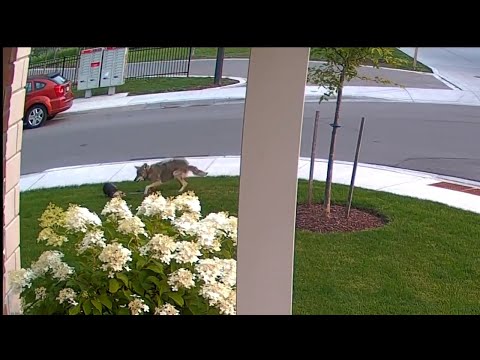
Keeping your big dog safe from coyotes means you need to be smart about your yard, your walks, and when you let your dog outside.
A few simple steps can make a big difference and help you feel more at ease.
Coyote-Proof Fencing and Property Measures
A sturdy fence is your best defense.
Go for a fence that’s at least six feet tall, made from solid wood or metal.
Bury the bottom a few inches underground or angle it out so coyotes can’t dig underneath.
Get rid of things that attract coyotes, like pet food left outside, fallen fruit, or open trash cans.
Adding motion-activated lights or sprinklers can also keep coyotes away.
Keep your yard neat.
Thick brush or wood piles give coyotes places to hide, so clear those out if you can.
The less inviting your yard is, the safer your dog will be.
Best Practices for Walking Big Dogs
Always use a leash for your big dog, especially in coyote country.
A short leash, around 4 to 6 feet, keeps your dog close and under control.
Try not to walk alone during dawn or dusk, since that’s when coyotes are most active.
Carry something like bear spray, and know how to use it if you run into a coyote.
If you spot one, stay calm, make loud noises, and try to look bigger.
Avoid walking near coyote dens or thick brush where they might hide.
Picking well-lit, busy paths makes coyote encounters less likely.
Recognizing Coyote Activity Hours
Coyotes usually show up around dawn, dusk, and after dark. These times can bring a higher risk of running into one while you’re out with your dog.
Try to plan your walks during midday. Coyotes don’t seem as interested in being out then, so it’s generally safer.
You might spot signs like tracks, scat (that’s droppings), howling, or even a den nearby. If you see these things, it’s a good idea to stay alert and keep an eye out for trouble.
When you notice more coyote activity around your neighborhood, it makes sense to keep your dog inside more during those hours. Staying aware of their habits gives you a better shot at keeping your big dog safe.


