
Ever had a coyote bark at you out of nowhere? It can be strange, right? Coyotes usually bark at people to warn them to stay away from their territory or pups. They’re trying to tell you, “Hey, this is my space—back off.”
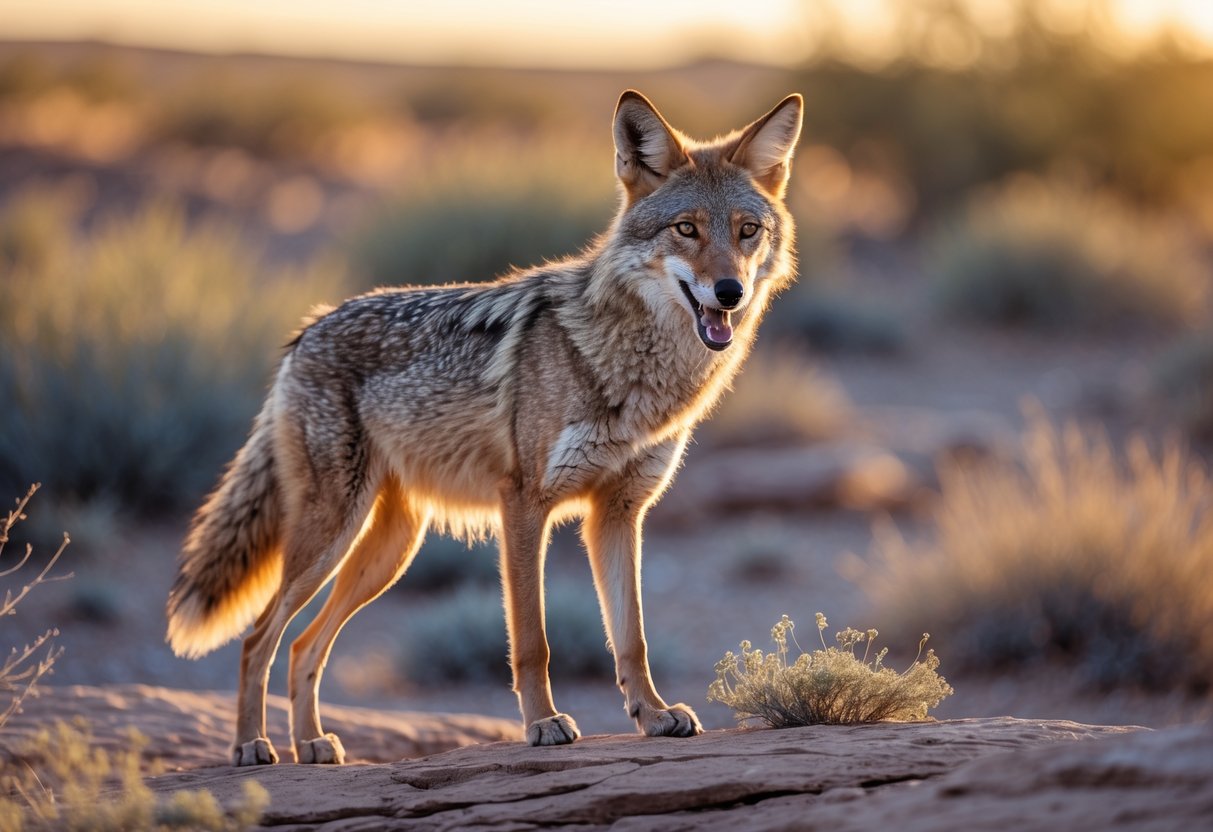
Sometimes a coyote gets curious or a bit confused, especially if you’re near their usual stomping grounds or you have pets with you. They mix barking with other noises to talk to each other, but if one’s barking at you, it’s usually a warning.
If you know why coyotes bark, you’ll probably feel a little less anxious about it. When you understand what’s going on, it’s easier to stay calm and react the right way.
Why Do Coyotes Bark at People?

Coyotes bark to send pretty direct messages. When one barks at you, it’s usually trying to protect its turf, warn you off, or respond to something it finds threatening.
Their bark doesn’t sound much like a dog’s—it’s got its own vibe and meaning.
Territorial Defense and Warning
Coyotes bark to defend their territory. If you wander too close, they’ll bark to tell you to back off.
This is just how they protect the places where they live and hunt.
Sometimes you’ll hear sharp barks or a bark-howl combo. The sharp bark is quick and gets your attention, while the bark-howl lasts longer and can warn other coyotes too.
If you’re really close, the barks get faster and louder. That’s the coyote making it clear you need to leave, but it doesn’t want to get closer to you either.
Protecting Pups or Den Sites
When a coyote thinks you’re near its pups or den, it’ll bark louder and more often. That’s a serious “keep out” warning.
Coyotes act as very protective parents. Their barks get more urgent or even aggressive near dens.
If you hear lots of barking in one spot, you’re probably near a den. It’s best to just give the area plenty of space.
Responding to Perceived Threats
Coyotes bark when they feel threatened by you or another animal. If you move suddenly or make a lot of noise, they might bark to try and scare you away.
These barks come out sharp and quick. Sometimes, they’ll throw in yips and howls to sound bigger or scarier than they are.
If you stay calm and don’t run, the coyote will usually stop barking and head off. Their bark is just a warning, not a sign they’re about to attack.
For more details about coyote sounds, check out why coyotes bark.
Decoding Coyote Vocalizations and Behavior

Coyotes use all kinds of sounds to talk with each other. When you hear one bark, it’s not just random noise. Those sounds help them protect their territory, warn others, or chat with their pack.
Differences Between Coyote Barks and Dog Barks
Coyote barks sound sharper and shorter than dog barks. Dogs usually bark to get your attention or alert someone, but coyotes mostly bark to warn others or scare off threats.
You’ll notice a coyote’s bark is quick and high-pitched. If they feel threatened or want to defend their space, that’s the sound you’ll hear.
Dogs bark for play or excitement, but coyotes don’t really do that. Their barks come with a purpose.
Coyotes often mix barks with yips or howls to make their message clear. Their barks feel less friendly and a lot more urgent than a dog’s.
Coyote Vocalizations and Their Meanings
Coyotes have a whole range of sounds, and each one means something. If you listen closely, you might pick up on:
- High-pitched yelps: These show excitement or help alert the pack to food or danger.
- Sharp barks: Used as a warning or to signal a threat.
- Growls: Show aggression or defense.
These calls help keep order and safety in the group. When you hear them, remember it’s usually about communication, not just making noise.
It’s kind of like a language for coyotes, letting them share info fast.
The Role of the Beau Geste Effect
Coyotes use the Beau Geste effect to make it sound like there are more of them than there really are. When one coyote howls or yips, it can seem like the sounds come from all over.
They use this trick to confuse rivals or scare off threats. You might hear howls and yips from different directions, but sometimes it’s just one or two coyotes.
By sounding like a big group, they can keep other coyotes or predators away and avoid unnecessary fights.
Howls, Yips, and Other Coyote Sounds
Howling plays a big role in how coyotes talk to each other. They’ll let out long, echoing howls to reach others that might be far away.
A lone howl usually means a coyote’s searching for its pack. On the other hand, a group howl tends to bring everyone together.
Coyotes throw in yips too—those are shorter, higher-pitched, and honestly, kind of excited-sounding. You’ll sometimes hear ululating yips that almost wobble, especially when breeding season rolls around.
They don’t stop at howls and yips. Coyotes blend in barks and growls, mixing things up in surprisingly complex ways.
All these sounds let them show how they’re feeling, warn each other about trouble, or just check in with the group. It’s wild how much you can pick up about what’s going on nearby if you listen closely.
Want to dig deeper? Here’s an article on coyote barks and howls from Adirondack Almanack.


