
Ever wondered if you could actually take on a coyote and come out on top? Coyotes run fast, and those teeth and claws aren’t just for show, but honestly, they’re a lot smaller and lighter than most adults. If you’re a healthy adult and it’s just one coyote, you’ve got a solid shot at defending yourself or even scaring it off.

Coyotes usually want nothing to do with people. They’d rather bolt than fight.
Most attacks happen when a coyote feels cornered or threatened. How you react can really change the outcome.
If you use your size, strength, or even just grab a stick or rock, you can usually protect yourself.
Learning how coyotes behave—and what to do if one gets bold—can help you stay safe.
Stick around to find out the best ways to handle a coyote encounter and boost your odds of walking away fine.
Chances of a Human Winning Against a Coyote

You’ve got the size and strength edge over a coyote most of the time.
Understanding how and when coyotes attack helps you gauge your chances if you have to stand your ground.
Your physical condition and whatever you can grab as a tool matter a lot in these situations.
Strengths and Weaknesses of Humans and Coyotes
Coyotes move fast—over 40 mph sometimes. Their teeth and claws can definitely hurt you.
But honestly, they usually weigh just 25 to 45 pounds.
Most adults weigh way more—usually 150 to 200 pounds. That gives you a huge strength advantage.
Sure, your hands aren’t made for biting or clawing, but you’ve got reach and can hit harder.
Coyotes avoid fighting people. They count on speed and sneakiness, while you’ve got muscle and size.
Their biggest weakness? They’re smaller, and they know you’re a bigger threat.
One-on-One Encounters Without Weapons
If you end up in a fight without any weapons, your size and strength really help.
Coyotes want to escape, not brawl. Most people scare them off just by making noise and looking big.
When a coyote attacks, it usually feels trapped or threatened.
Stay calm, face the coyote, and wave your arms to look bigger. That alone can scare it away.
Direct fights are still risky, though—coyotes bite hard. If you have to fight, go for the eyes, nose, or throat to protect yourself.
Impact of Weapons or Tools
Grab a stick, rock, or anything handy, and your odds go way up.
You can use these to keep the coyote at a distance or defend yourself if it gets too close.
Holding something gives you more reach, so you don’t have to get close enough to get bitten.
Throwing stuff or making sudden moves tells the coyote you’re not easy prey. Most of the time, that’s enough to make it run off before things get ugly.
Influence of Age, Size, and Health on Outcomes
If you’re a child, elderly, or not very strong, your chances of fighting off a coyote drop a lot.
Kids and older adults can’t usually stand their ground as well.
Healthy, strong adults can scare or fight off a coyote much more easily.
Sometimes, just being bigger is enough to make a single coyote back down.
But facing a group of coyotes? That’s a whole different story. Packs can surround you fast, and defending yourself gets much harder.
If you spot more than one coyote, steer clear if you can.
For more tips on staying safe, check out advice on handling coyote encounters.
Understanding Coyote Encounters and Prevention
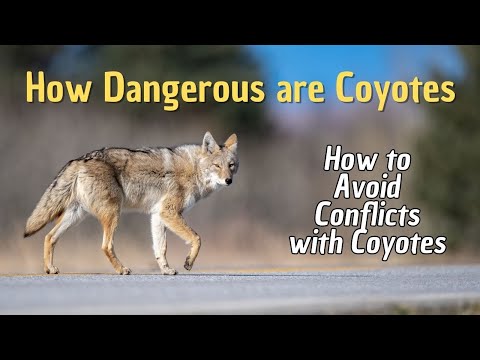
Coyotes usually act shy around people, but sometimes they get bolder, especially in certain situations.
If you know how coyotes act, what risks pop up in cities, and a few easy safety tips, you can avoid a lot of trouble.
How Coyotes Behave Around Humans
Coyotes almost always try to avoid people. If they feel threatened, they’ll show their teeth, growl, or stand stiff to warn you.
Most of the time, they don’t want to fight. They’ll bluff to try to scare you off.
A coyote might get aggressive if it feels trapped or is sick.
If you make yourself look big, wave your arms, shout, or throw something nearby, you usually make the coyote back off.
If you stay calm but act confident, you can often stop things from getting worse.
Risks in Urban Areas and Common Attack Triggers
Coyotes live in a lot of cities now because their wild spaces keep shrinking.
That means you might see one near your house or in a park—especially early in the morning or at dusk.
Most attacks happen when people feed coyotes. Feeding them makes them lose their fear and come back for more.
Kids, small pets, and anyone who surprises or corners a coyote face more risk.
Coyotes might attack if they’re protecting pups or feel trapped.
Groups of coyotes are way more dangerous than a single one because they can surround you fast.
Try to avoid spots where you see several coyotes or signs of dens.
Safety Tips to Avoid Coyote Conflicts
- Never feed coyotes. If you do, they’ll lose their fear of people and that’s just asking for trouble.
- Keep pets inside or on a leash. Coyotes love easy meals, and small animals attract them.
- Secure garbage and outdoor food. When you leave food out, you invite coyotes right into your yard.
- Make noise if you spot a coyote nearby. Yell, wave your arms, clap, or blast a whistle—don’t be shy about it.
- Don’t run or turn your back. Instead, keep facing the coyote and back away slowly.
- Carry a stick or something to defend yourself. If a coyote actually attacks, aim for the eyes or nose.
These steps help keep coyotes wary of humans and make your neighborhood a little safer. If you want to dig deeper into coyote behavior or wonder how to stay safe in the city, check out this guide on can a human beat a coyote.


