
Ever spotted a coyote nearby and wondered just how friendly they really are? Coyotes stay wild and usually steer clear of people, so they’re definitely not friendly in the way pets or some other animals might be. They act cautious, keeping their distance, and only get aggressive if they feel threatened or have to protect their pups.

Coyotes living near cities often act bolder, especially if they find easy meals or start losing their natural wariness of humans. Still, getting too close isn’t safe for you—or for the coyote, honestly.
If you know a bit about their habits, you’ll probably feel more at ease when you see one. You’ll also know how to keep your pets out of trouble.
Let’s dig into how coyotes behave around people, what makes them seem bold, and how you can share space with them without problems.
Understanding Coyote Friendliness

Coyotes have wild instincts that shape every move they make. They tend to avoid people, but their behavior can shift depending on where they live and what they’ve experienced.
If you get how coyotes act naturally, you’ll know how to stay safe and respect their space.
Natural Behavior and Temperament
By nature, coyotes act shy and wary. They live in family groups called packs.
They use howls, yips, and scent marking to talk to each other and claim their territory. Their instincts keep them on edge, ready to bolt if they sense danger.
Coyotes hunt small animals like rabbits and rodents. Their main focus is survival, not making friends.
Even if a coyote looks calm near you, it’s not being friendly like a dog would. Trying to feed or tame them just backfires.
If you feed coyotes, they lose their fear and start causing trouble. It’s better to appreciate them from a distance.
Human Interactions and Wild Instincts
Coyotes living close to cities sometimes get used to people, especially if food is easy to find. People call this habituation, and it can make coyotes act bold.
You might spot a coyote near trash cans or pet bowls. If a coyote doesn’t run away, it probably expects food or just isn’t scared anymore.
That’s when things can get risky for you and your pets. Never feed coyotes.
Lock up your trash and don’t leave pet food outside. If a coyote comes near, clap your hands or wave your arms so it remembers humans aren’t a source of food.
Coyotes vs. Domesticated Pets
Coyotes and dogs might look a bit alike, but their behavior is really different. Dogs usually want attention and can be trained, but coyotes stay distant and unpredictable.
Coyotes don’t want human affection. If you leave small pets outside, coyotes might see them as prey.
They hunt animals like cats, rabbits, and little dogs, especially around dawn or dusk. Keep your pets close by, especially when coyotes are active.
A sturdy fence and keeping pets indoors go a long way. That’s how you avoid run-ins with coyotes.
If you want more tips about living safely with coyotes, check out Project Coyote.
Coexisting with Coyotes Safely
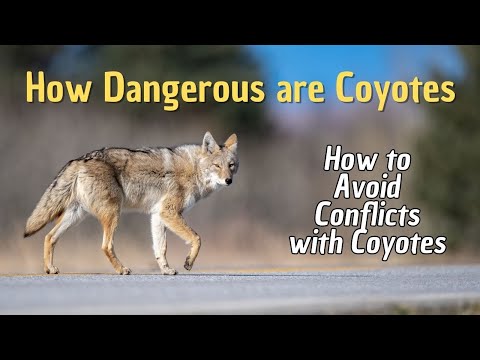
Living around coyotes means you need to understand their habits. If you pay attention to how they act, you’ll know how to keep your pets safe and avoid problems.
Simple things like locking up food and making noise can keep coyotes at a distance.
Communication and Social Structure
Coyotes talk to each other using howls, yips, and barks. These sounds help them claim territory and warn others to stay away.
They also use scent marking to communicate. Sometimes you’ll see coyotes hunting alone, other times in small family groups.
Their social life changes depending on food and space. If you notice these patterns, you’ll have a better idea of when coyotes might be nearby.
Coyotes mostly want to steer clear of people. If you see one, making noise or waving your arms usually works to scare it off.
Avoid feeding coyotes because it messes with their instincts and can make them too bold around people.
Coexistence in Urban and Rural Areas
Coyotes living in cities have figured out how to grab food from trash cans or pet bowls left outside. They might act less afraid of people, but honestly, they’re not looking to be buddies.
If you live in these places, you’d do well to lock up your garbage. Bring your pets inside, especially around dawn and dusk, since that’s when coyotes are most active.
Out in rural areas, coyotes mostly hunt wild animals and usually keep their distance from people. Still, you should watch your small pets and keep them close, just in case.
Project Coyote encourages communities to find safe ways to live alongside these animals without harming them. Simple things help, like never feeding coyotes and trying out “hazing”—shouting or waving your arms—to remind them to stay wild and cautious.


