
Coyotes are clever creatures that have figured out how to live near people. If you’re trying to keep them away from your yard or pets, it really helps to know what bugs them most.
Coyotes and other canids get spooked by loud noises, bright lights, people, and strong smells like predator urine or ammonia. These tricks can make your property a lot less appealing to them.
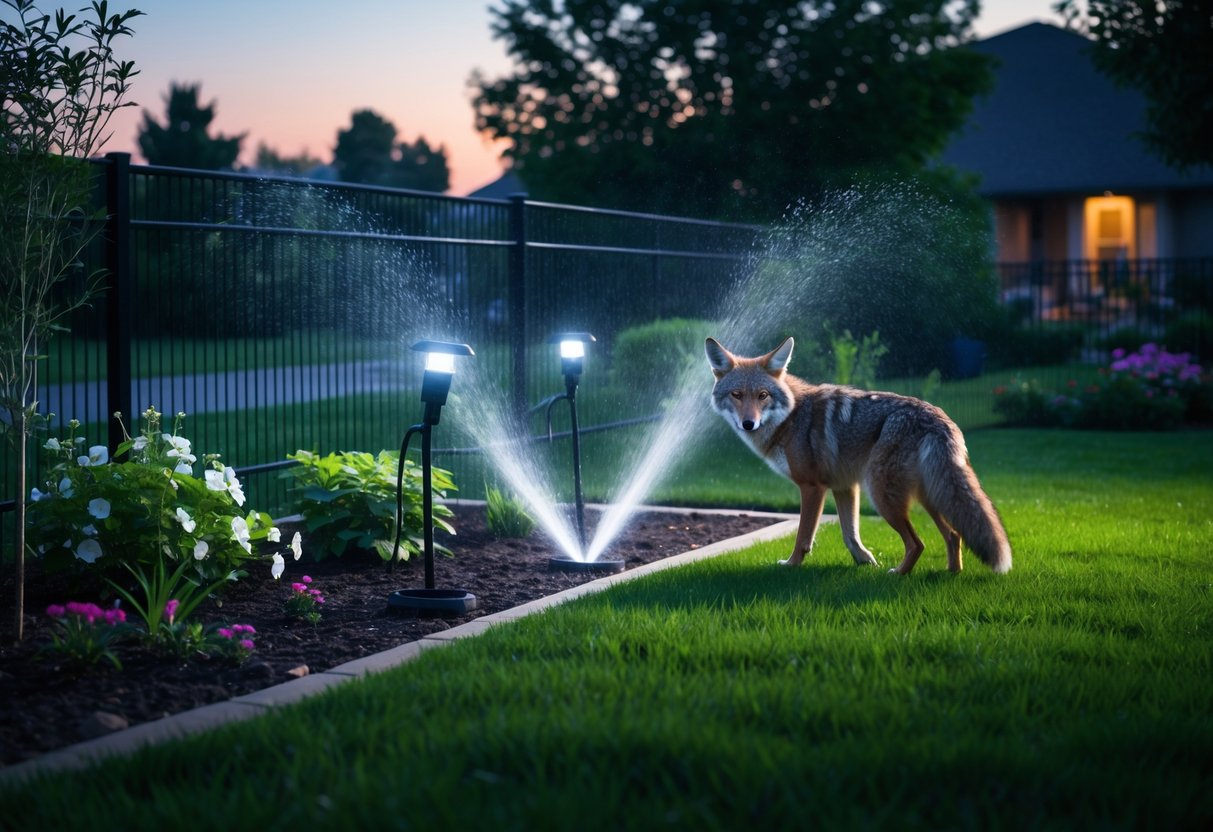
You’ll probably notice coyotes steer clear of sudden movements and things that startle them—like tossing a stick nearby or blasting an airhorn. Strong scents that remind them of danger or predators also keep them away.
Trying these simple tricks lets you keep coyotes at bay without hurting them.
Knowing what rattles coyotes gives you a leg up in protecting your home or pets. The trick is making your place uncomfortable enough that they’d rather go somewhere else.
So, what actually keeps coyotes on edge and out of your space? Let’s dig in.
What Coyotes Hate Most: Natural Aversions
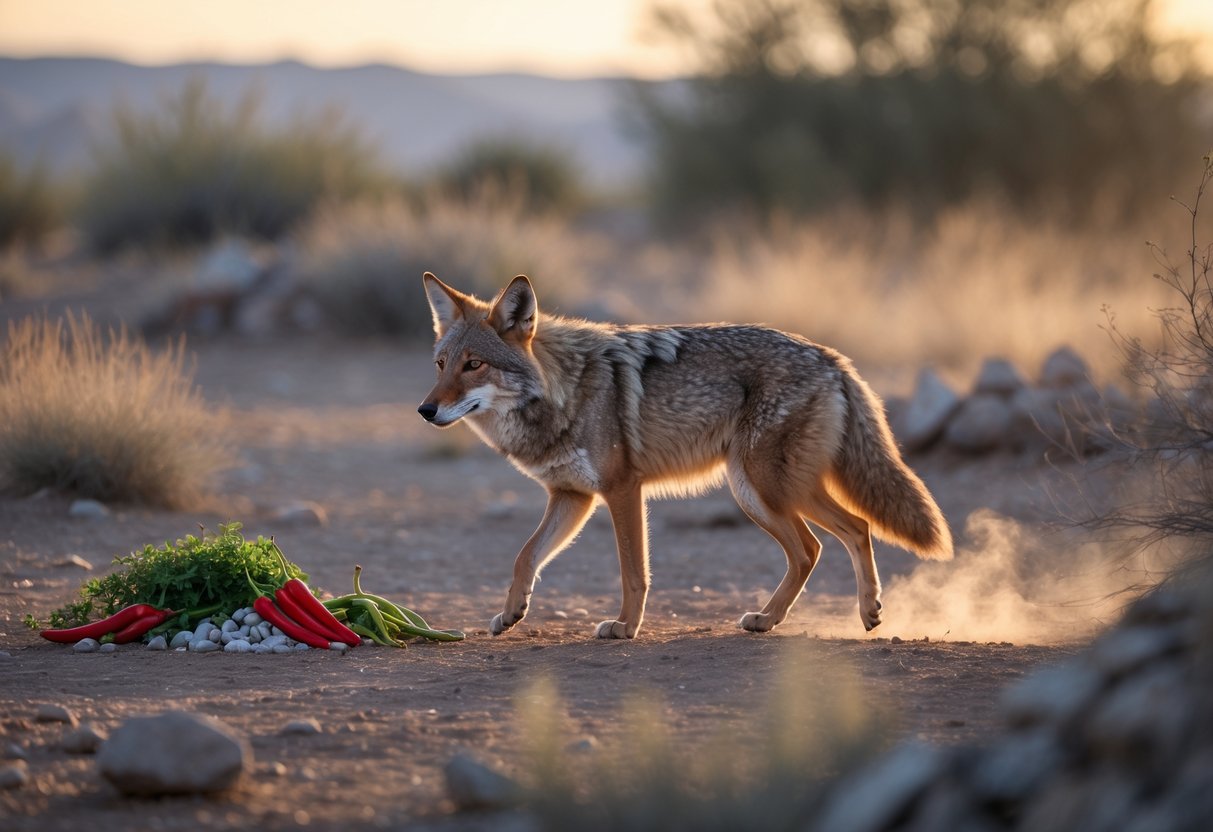
Coyotes have some strong natural fears you can use to your advantage. They react to certain smells, sounds, and animals that make them uneasy.
If you use these deterrents the right way, you can protect your property without hurting anything.
Understanding Coyote Behavior
Coyotes act smart and stay pretty cautious. They’d rather avoid trouble than face it head-on.
Their natural fear keeps them safe, especially around people and bigger predators. If a coyote senses danger, it’s going to bolt.
But here’s the thing—if coyotes get used to people, they may lose that fear and start acting bold. That’s when they cause real problems for you and your pets.
You want to keep them wary by making your place feel uncomfortable or risky. That way, they won’t want to stick around your yard or home.
Most coyotes come out at night and trust their instincts during those hours. When you shake up their comfort zone, you encourage them to move on.
The Role of a Coyote’s Sense of Smell
Coyotes have a crazy strong sense of smell. It helps them sniff out food and pick up on danger.
If they catch a whiff of something weird or strong, they get nervous. These smells can signal predators or something unfamiliar.
You can use this against them. Scents like ammonia, vinegar, chili pepper, and especially predator urine make coyotes uncomfortable.
Those smells tell them a bigger predator could be nearby, so they’ll steer clear.
Because coyotes depend so much on their noses, spreading these scents around your yard creates a kind of invisible fence.
Just remember, you’ll need to refresh the scents pretty often, especially after it rains.
Predator Presence: Wolf Urine and Similar Deterrents
Wolf urine is one of the strongest things that sends coyotes running. Wolves are top predators and natural enemies for coyotes.
When coyotes smell wolf urine, they assume a wolf is close and want nothing to do with that.
You can actually buy bottled wolf urine and sprinkle it around your yard or fence lines. That makes your property smell like a wolf’s turf, which helps keep coyotes away.
Other predator scents, like those from big cats, work too. Coyotes hate these smells because they hint at danger.
Using these natural repellents is safe for animals, and it’s pretty effective at keeping coyotes nervous.
Other Animals Coyotes Avoid
Coyotes usually steer clear of big dogs and some tough animals. For instance, Great Pyrenees dogs have a reputation for scaring off coyotes from farms and yards.
Their size and attitude make coyotes think twice about coming close.
Sometimes, even cats can help keep coyotes away. Their scent and noises let coyotes know the area’s already claimed.
While cats won’t fight off coyotes, their presence can make coyotes pause.
Bringing these animals—or even just their scents—onto your property can cut down on coyote visits. If you combine that with bright lights and loud noises, you get even better results.
That mix can really help keep your pets and home safer.
If you’re curious, here’s more on 5 Unusual Things That Coyotes Are Afraid Of.
Most Reliable Coyote Deterrents for Homeowners

Keeping coyotes away from your place takes a mix of tricks. Strong smells, loud noises, and smart habits all help make your property less attractive.
If you use the right tools and a little creativity, you’ll protect your pets, garden, and family.
Scent-Based Deterrents: Ammonia, White Vinegar, and Essentials
Coyotes really don’t like strong smells like ammonia and white vinegar. Soak a rag in ammonia or vinegar and set it out around your yard.
These scents bother coyotes’ sensitive noses, and they’ll usually move on.
Essential oils—like garlic, peppermint, or citrus—can add to the effect. Spray them or leave soaked cloths near entry points and spots where coyotes might wander.
Just remember to swap them out often, since the smells fade fast.
Scents alone might not stop a determined coyote, but they work well with other methods. Oh, and don’t bother with coyote urine—it doesn’t scare off real coyotes.
Loud Noises and Other Sound-Based Repellents
Coyotes hate sudden, loud noises. Blast an air horn, blow a whistle, or set up motion-activated noise makers to freak them out.
If you spot a coyote, make some noise—bang pots, shout, whatever gets their attention. That keeps them jumpy about your yard.
Some folks even set up radios to play talk shows or loud music at night. The constant noise can make coyotes think twice about hanging around.
Just keep the volume reasonable so you’re not annoying your neighbors.
Don’t stick with the same sounds all the time. Mix it up so coyotes don’t get used to it. Changing up the noises keeps them on their toes.
Effective Prevention Tips for Homeowners
Honestly, the best defense is just making your home less appealing to coyotes in the first place. I always store pet food indoors and make sure garbage cans have tight lids.
I try to clean up any fallen fruit or random food scraps around the yard. It’s not fun, but it really helps.
If you’ve got a fence, make sure it’s at least 6 feet tall, and check that there aren’t gaps at the bottom. I’ve seen folks add coyote rollers—those spinning bars on top of the fence—to keep the animals from climbing over. Pretty clever, right?
Motion-activated sprinklers work wonders, too. When they sense movement, they spray water, and coyotes absolutely hate getting wet.
I like to put these sprinklers near gardens, chicken coops, or wherever I think coyotes might wander through. It’s a bit of a game of cat and mouse, but it works.
I make a habit of checking my yard often. If I spot a coyote, I act quickly to scare it off.
Sticking to these routines really does make a difference. If you want to dig deeper, check out some trustworthy advice on the best coyote repellents for home.


