
Worried about your small dog’s safety outside? You’re definitely not the only one. Coyotes sometimes eat small dogs, especially if food is hard to find or if a little dog gets left alone out in the yard.
Small breeds like Chihuahuas, Yorkies, and Dachshunds stand out as targets because coyotes find them easy to catch and carry away.
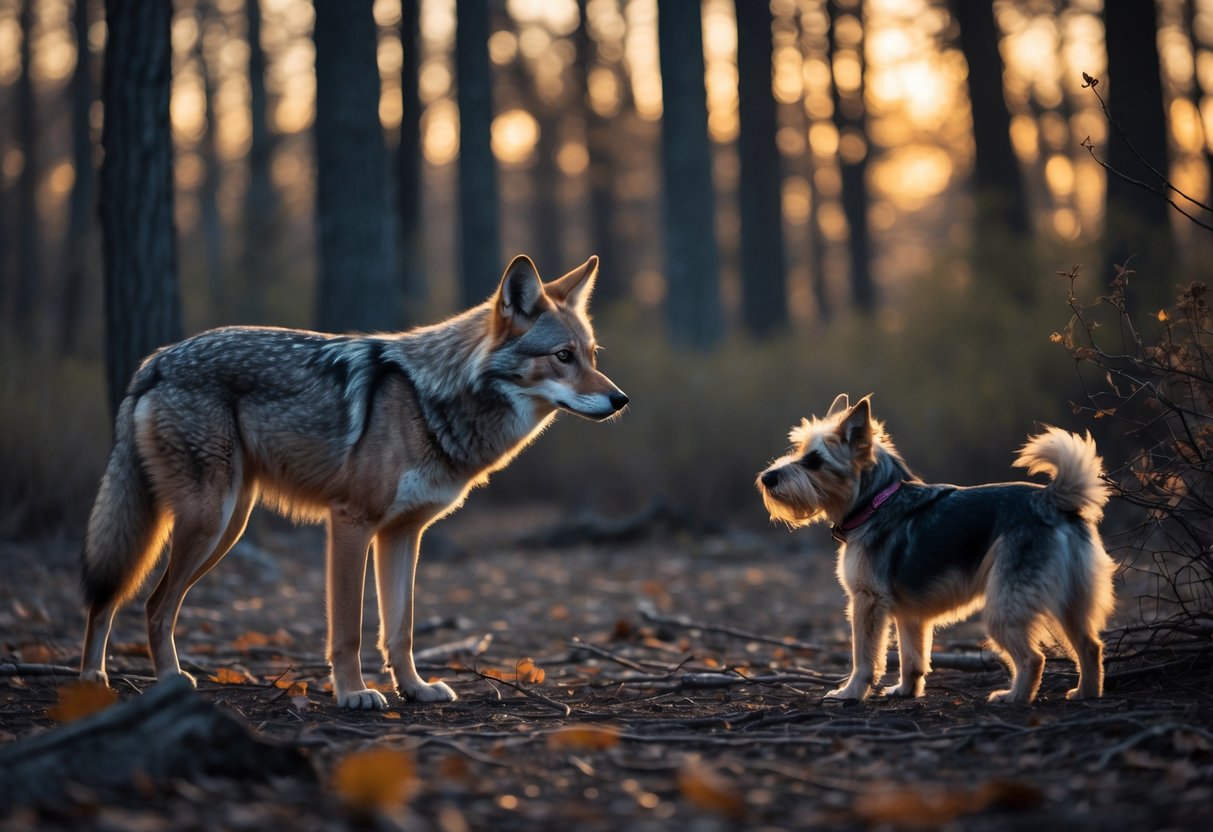
Coyotes usually keep their distance from people, but in neighborhoods near wild areas, they can start feeling bold. They hunt mostly at dawn, dusk, or late at night.
So, it makes sense to keep your dog close during those hours. It helps to know why coyotes see small dogs as prey—then you can take steps to keep your buddy safe.
Coyotes eat plants and small animals, but when their usual food runs out, they’ll search for something easier—like your pet. If you live near places where coyotes wander, learning how to protect your dog matters.
Are Small Dogs at Risk of Coyote Attacks?

Small dogs face more risk around coyotes because of their size and the way they act. Coyotes often see them as easy prey, especially if you leave them alone or off leash.
Understanding how and when these attacks happen makes it easier to protect your pet.
Why Coyotes Attack Small Dogs
Coyotes hunt rabbits and rodents most of the time. But when they spot a small dog—especially under 20 pounds—they might mistake it for prey.
If your dog looks scared or is by itself, a coyote might feel brave enough to attack.
Coyotes go after small dogs more often because they’re easier to catch and kill than bigger breeds. They don’t necessarily want to fight another dog, but if they’re hungry, they’ll take the risk.
Aggressive little breeds like Jack Russell Terriers or Chihuahuas sometimes provoke coyotes, which can make things worse. Keeping your dog close by helps lower that chance.
How Coyotes Hunt Small Dogs
Coyotes hunt with a lot of patience and stealth. They sneak up quietly and try to catch their target off guard.
If you leave small dogs unsupervised in the yard or let them roam, they’re at risk. Coyotes tend to attack at dawn or dusk, when they’re out and about the most.
They usually hunt alone but sometimes work in pairs, especially near cities where food is unpredictable. Speed and sharp teeth help them pull off a quick attack.
Protective gear like coyote vests can help shield your dog from injuries. Keeping your dog on a leash and close by during walks is another solid defense.
When and Where Coyote Attacks Happen
Coyote attacks on small dogs happen more often near urban areas where coyotes live close to people. They wander into yards or parks looking for food, especially if their normal meals are in short supply.
Spring and summer bring more coyote activity since they’re mating and raising pups. During these seasons, they take more chances around people and pets.
Your dog stays safest inside or in a well-fenced yard, especially at night. Fences should be at least 6 feet tall and tough to dig under if you want to keep coyotes out.
Motion-activated lights can help scare coyotes away from your yard.
For more tips on protecting your dog, check out how to protect your dog from coyotes.
Protecting Dogs from Coyotes
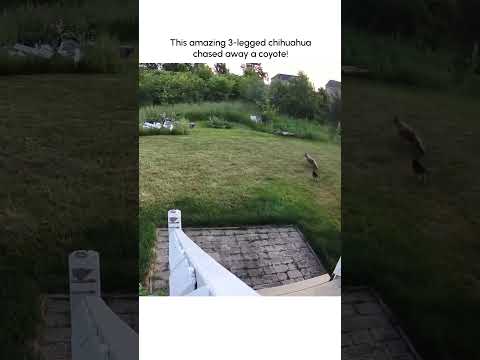
Keeping your dog safe from coyotes really comes down to knowing when and where the risks are highest. Focus on controlling your dog’s time outside and handling anything that might attract coyotes.
Best Ways to Keep Small Dogs Safe
Small dogs like Chihuahuas or Yorkies catch coyotes’ attention more often. Always keep them on a leash outdoors, especially at dawn, dusk, or after dark—those are peak coyote hours.
Stick with a leash that’s no longer than 6 feet, and don’t let your small dog wander in unfenced yards. Consider a coyote vest with Kevlar spikes to protect your dog’s neck and chest.
Carry a whistle or air horn to scare off coyotes if you spot one. Teaching your dog to come when called can also get them out of trouble fast.
Role of Feeding Coyotes & Deterring Attractants
Coyotes show up where food is easy to grab. If you leave pet food outside or have unsecured trash cans, you’re basically inviting them into your yard.
Pick up fallen fruit and clean up your yard to get rid of tempting smells. Don’t feed coyotes or leave food out for wildlife, since that just encourages them to stick around.
Motion-activated lights and a fence at least 6 feet tall (with a coyote roller, if you want to get serious) can help keep coyotes out.
Coyote Risks for Large Dog Breeds
Large dogs usually don’t have to worry about being eaten by coyotes. Coyotes really don’t want to risk getting hurt in a fight with a bigger animal.
Still, you might see coyotes harass or chase after a large dog, especially if your dog wanders close to their den or some food they’ve found. Coyotes act territorial and sometimes attack just to scare your dog off.
Always keep a close eye on large dogs when they’re outside, especially if you live near wild areas. Using a sturdy leash and paying attention can help avoid any nasty run-ins.


