
Noticed signs of coyotes hanging around your place lately? You’re probably wondering what’s bringing them so close. Coyotes absolutely love strong smells—meat, trash, and small animals—because those scents mean there’s food nearby. If you know what lures them in, you can take some easy steps to keep your yard safer.
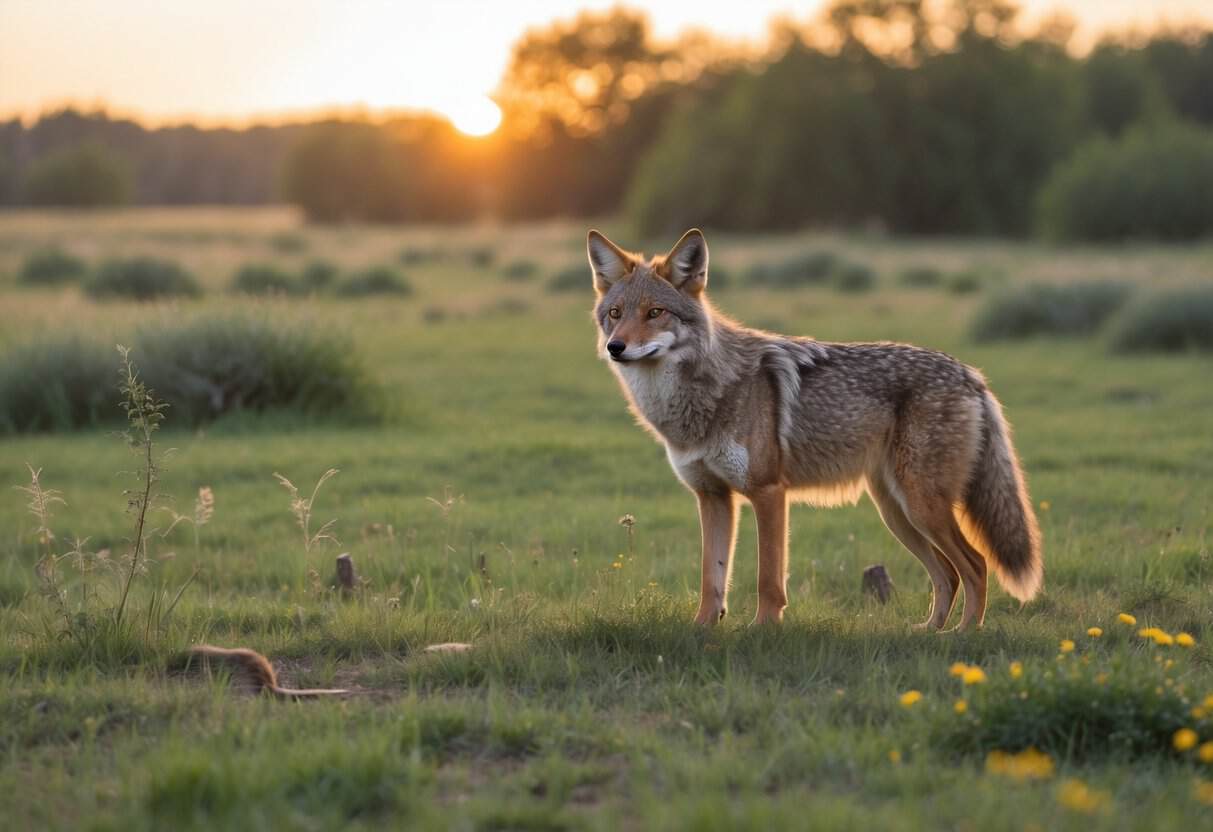
Coyotes rely on their sharp noses and can pick up food scents from pretty far away. Stuff like greasy grills, loose trash cans, fallen fruit, or even pet food left outside will pull them in.
They also notice smells from animals—chickens, or a dog in heat, for example. That can make them show up more often than you’d expect.
If you get a handle on these attractants, you make your yard less appealing to coyotes. Just managing these scents can really cut down on their visits and help protect your pets. Want more details? Here’s a handy guide on the top scents that bring coyotes to your yard.
Primary Reasons Coyotes Are Attracted
Coyotes show up in places where they can find food, water, and somewhere to hide. These basic needs pull them into yards and neighborhoods.
When you know exactly what brings coyotes in, you’ve got a better shot at keeping them away.
Food Sources in Residential Areas
Food is the main reason coyotes wander into your yard. Leaving pet food outside or tossing out food scraps basically rolls out the welcome mat for them.
Even a little leftover meat, spilled birdseed, or fruit on the ground can catch their attention.
Trash cans that aren’t sealed tight are another big draw. Coyotes pick up the scent of garbage, especially if there’s rotting food or meat in there.
If you want to keep coyotes at bay, use bins with tight lids for your trash. Try not to leave pet food out overnight—it’s just asking for wildlife to drop by.
Water and Hydration Needs
Coyotes get thirsty just like any other animal. They’ll come to yards with easy water sources—think bird baths, ponds, or pet water bowls left outside.
Standing water in buckets or even pools gives them a reason to stop by, especially when it’s dry out.
If you want fewer visits, dump any extra water and fix up pools or fountains so they don’t collect water. It’s a simple way to make your yard less attractive to them.
Shelter and Urban Habitat Features
Coyotes search for spots to hide, nap, or raise pups. Dense shrubs, thick brush, or tall grass all give them good cover.
When landscaping gets overgrown, your yard might feel like a safe hideout.
Urban coyotes also use old sheds, abandoned buildings, or wood piles to hide. If you’ve got these features, you might see more coyote activity.
Trimming plants and clearing out brush piles removes their favorite hiding spots. That makes it less likely they’ll stick around.
Common Yard Items and Scents That Attract Coyotes
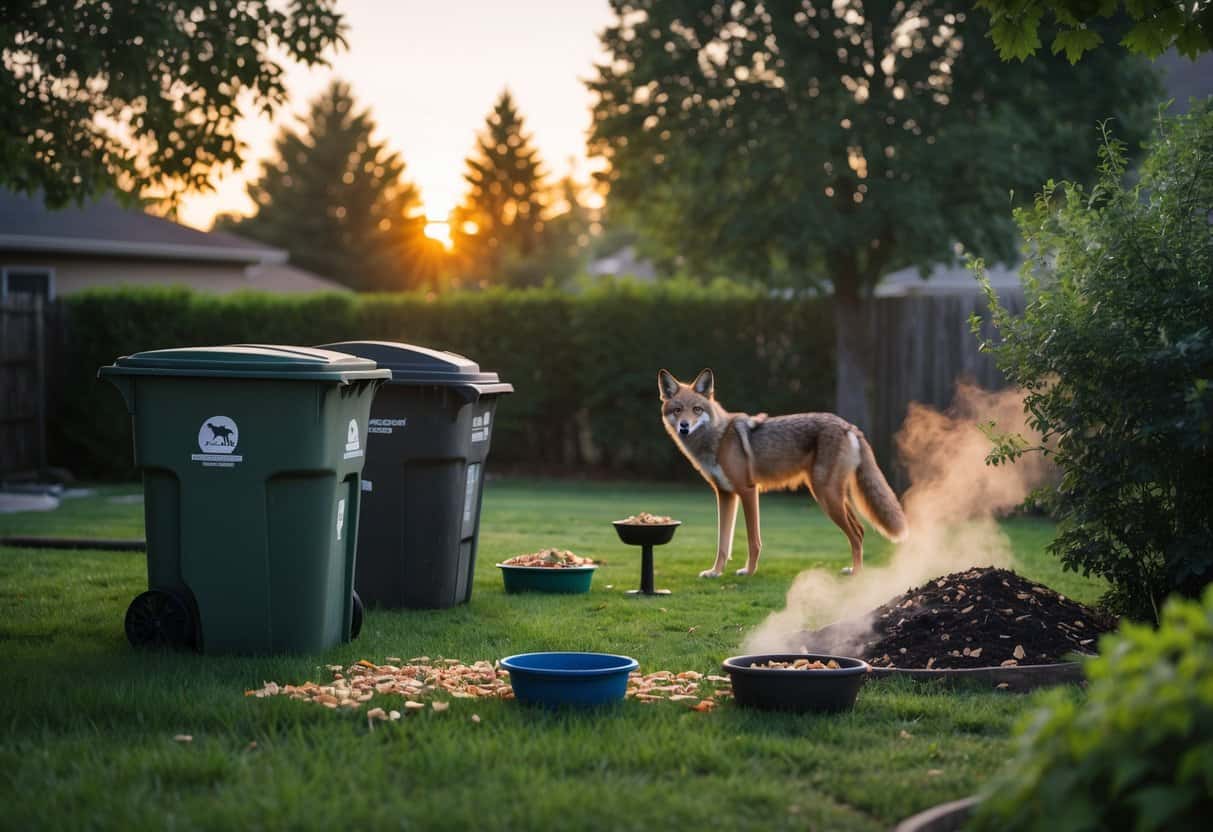
You might not realize it, but certain smells and stuff in your yard draw coyotes in. Pet food, leftover scraps, and fallen fruit all have strong scents that attract them.
Even birdseed or trash can lead coyotes right to your place. Managing these things really helps keep your yard off their radar.
Pet Food and Animal Dishes
Leaving pet food outside is basically an open invitation for coyotes. The smell of kibble or wet food travels farther than you’d think.
Feeding your pets indoors is honestly the safest bet.
If you have to feed them outside, pick up leftovers right after they finish. Clean the spot often so food smells don’t stick around.
Sealed containers for pet food also keep scents locked in and help stop coyotes from sniffing out a free meal.
Unsecured Trash and Compost
Coyotes love unsecured trash cans. Food scraps in regular bins let off strong smells they can pick up from a distance.
Use trash cans with tight lids and try not to leave them out overnight.
Compost piles can be just as tempting since they release odors while breaking down. Enclosed compost bins and turning the pile often help keep smells down.
Managing trash and compost the right way cuts back on scents that might lure coyotes to your yard.
Bird Feeders and Birdseed
Bird feeders don’t just bring in birds. Coyotes come after the squirrels and rodents that gather around for birdseed.
Seeds dropped on the ground attract these little animals, which then attract coyotes.
To help with this, clean up fallen seeds often and use feeders that keep spillage to a minimum. Try feeding birds with seeds that don’t appeal to rodents.
Raising feeders higher and using seed catchers also make your yard less inviting to coyotes.
Fallen Fruit and Fruit Trees
If you’ve got fruit trees, watch out for fallen or rotting fruit on the ground. Coyotes love those strong, sweet scents and will zero in on them when they’re hungry.
Overripe or dropped fruit doesn’t just smell—it’s an easy meal. I’d recommend picking up fallen fruit quickly and tossing it out the right way.
If you compost, make sure your bins actually stay closed and don’t let all those smells drift out. When you manage your fruit trees well, you make your yard way less interesting to coyotes.
If you want more tips about handling these smells, check out what smells attract coyotes to your yard.


