
Coyotes live surprisingly close to a lot of neighborhoods, so maybe you’ve wondered if they’d actually go after your dog. The thing is, coyotes can and sometimes do attack and eat small domestic dogs, especially if food is hard to find or a dog gets left outside alone.
This risk goes up for dogs under 50 pounds, especially in places near wild spaces.
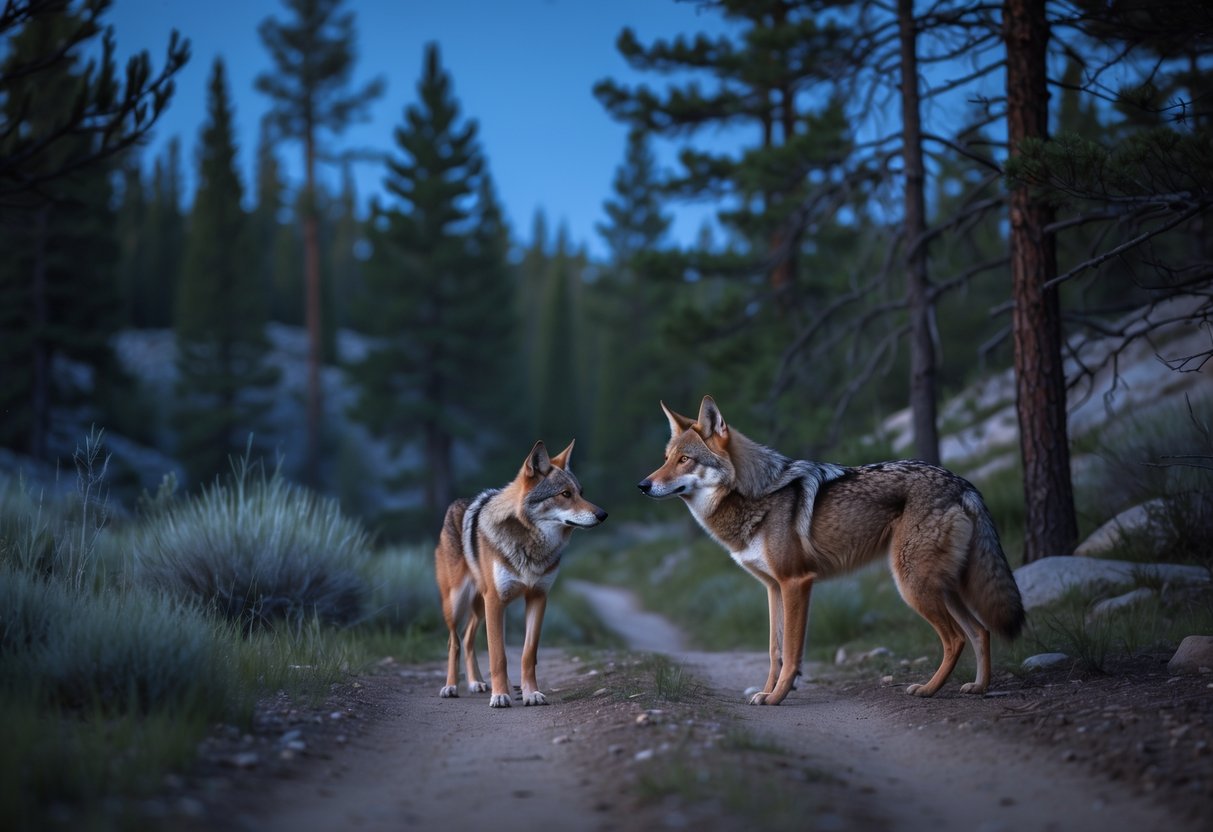
Coyotes usually hunt small animals like rabbits and rodents. But if they spot a small dog, they might see an easy meal.
If you know when and why coyotes might target your dog, you’ll have a better shot at keeping your furry friend safe.
Understanding Coyote Attacks on Domestic Dogs
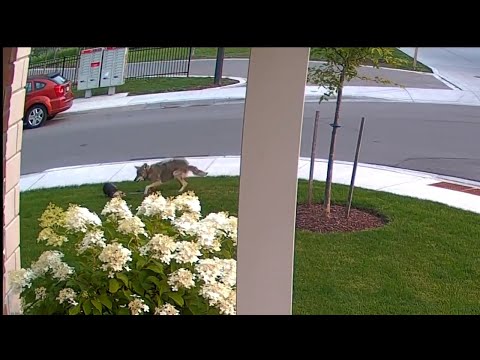
Coyotes have adapted to living near people, which is honestly kind of impressive. Their behavior changes based on hunger, the environment, and what’s happening with land development around you.
If you understand these factors, you can keep your dogs safer.
Coyote Behavior and Diet
Coyotes hunt opportunistically. They’ll eat whatever food is easiest to get.
Usually, they munch on rabbits, rodents, and insects. But when food runs out, they might target something bigger—like your dog.
Coyotes hunt alone or sometimes in pairs. They don’t normally attack unless they’re hungry, feel threatened, or want to protect their pups.
You’ll see them most at dawn and dusk. So, being extra alert during those times helps.
Why Coyotes Target Domestic Dogs
Coyotes often see small dogs as prey, especially those under 25 pounds. They treat them just like any other natural prey animal.
Sometimes, coyotes attack because they feel territorial, especially if a dog gets close to their den or pups.
Coyotes don’t actually lure dogs away. But a curious or off-leash dog might follow a coyote and end up in trouble.
Leaving your dog outside alone or letting them roam off-leash bumps up the risk.
Urban Sprawl and Increased Encounters
Cities keep growing, and wild habitats keep shrinking. So, coyotes move into suburbs and cities.
They take advantage of food left outside—trash, pet food, whatever’s easy. That brings them close to your yard.
More coyotes showing up means more chances for trouble, especially if small pets get left outside without supervision.
To stay safe: keep your dog on a leash during walks. Don’t let them out alone at night. A tall fence helps too.
How Pet Owners Can Prevent Coyote Attacks

Keeping your dog safe from coyotes means making your place less welcoming to them. Stick close to your dog when they’re outside.
Physical barriers, smart gear, and good habits can all lower the risk. If you know how to react when you spot a coyote, that helps too.
Securing Your Yard and Home
Make it tough for coyotes to get into your yard. Put up a fence that’s at least six feet tall.
Add coyote rollers (those spinning bars at the top) so they can’t climb over.
Look for gaps under gates or along fences and seal them up. Clear away brush or piles that might give coyotes a place to hide.
Keep pet food indoors and secure your trash cans. Coyotes love easy meals, so don’t leave anything outside that could tempt them.
Motion-activated lights can scare coyotes off at night. When the lights suddenly turn on, coyotes usually get spooked and stay away.
Protective Gear and Deterrents
You’ve got a few handy tools to keep your dog safer outside.
Carry a whistle or noise-maker to scare off a coyote if one gets too close. Loud noises usually work well.
A reflective collar or vest on your dog makes them easier to spot and might help deter coyotes during those early morning or evening walks.
Try motion-activated sprinklers, too. They blast out water and surprise wildlife, so coyotes tend to stay away without getting hurt.
Skip harmful traps or poisons—they can hurt other animals and pets, too. Stick with safe deterrents that make coyotes uncomfortable but don’t cause harm.
Safe Practices When Walking Dogs
Always use a sturdy leash (no longer than six feet) when you walk your dog. That way, your dog stays close and you can react fast.
Try not to walk your dog at dawn or dusk. Coyotes are most active then and looking for food.
Stay alert and keep an eye on your surroundings. Avoid thick brush, big open fields, or areas where people have seen coyotes before.
Keep small dogs close to you. Walking in a group helps too—coyotes usually avoid crowds.
If you spot a coyote, don’t run or turn your back. Make yourself look bigger by raising your arms, shout loudly, and back away slowly.
Responding to and Reporting Coyote Encounters
If you or your neighbors spot coyotes hanging around homes, go ahead and report it to animal control. They’ll keep an eye on local wildlife and let you know if there’s anything you should worry about.
If a coyote acts aggressively or goes after pets, call animal control right away. They’ll figure out what needs to happen to keep everyone safe.
Jot down where and when you see coyotes. Sharing these details with neighbors or local authorities can help everyone stay on top of things.
If you run into a coyote acting bolder than usual, try scaring it off—make some noise, wave your arms, or grab whatever deterrent you’ve got nearby. Usually, if coyotes get startled by humans and loud sounds, they’ll steer clear of the area.
Honestly, it’s all about being ready and staying connected with your community. That way, you can look out for your pets and avoid any sketchy run-ins with coyotes.


