
If a coyote chases you, it’s honestly terrifying and disorienting. But whatever you do, don’t run. Running just flips some switch in a coyote’s brain and they’ll chase even harder.

Instead, stand up straight and try to look as big as possible. Make loud noises and let the coyote know you’re not an easy target.
Back away slowly, but don’t look away. These moves usually stop a coyote in its tracks and give you a better shot at staying safe.
Immediate Actions If a Coyote Is Chasing You

How you react when a coyote chases you can totally change the outcome. If you stay calm, use your body language, and make some noise, you stand a much better chance.
Confidence matters here. Don’t bolt—just keep your cool.
Stay Calm and Do Not Run
When a coyote comes after you, try your best to stay calm. Freaking out or panicking only makes things worse, and coyotes seem to pick up on that.
Don’t run or turn your back. Coyotes love to chase anything that moves, so running is like an invitation.
Just stand still for a second, get your footing, and think about what to do next. You’re probably scarier to the coyote than it is to you, believe it or not.
Staying calm helps you keep your wits about you.
Make Yourself Look Bigger
Coyotes actually respect size and strength. If you want to scare one off, make yourself look as big as possible.
Stand up straight and slowly lift your arms over your head. If you’ve got a jacket or backpack, spread it out to make yourself wider.
Walk toward the coyote with confidence, but don’t rush. You don’t want to look like prey.
Try not to make any sudden moves, but don’t shrink away either. Looking big might just convince the coyote to back off.
Use Loud Noises and Deterrents
Coyotes hate loud noises, so use whatever you’ve got.
Yell, clap, bang sticks together—anything to make a racket. If you carry a whistle or even pepper spray, now’s the time to use it.
A sudden noise can startle a coyote and make it think twice. It’s a clear signal you’re not worth the trouble.
Act like you mean it, even if you’re nervous. That confidence can make a difference.
Back Away Slowly While Facing the Coyote
If the coyote slows down or just stands there, don’t bolt.
Start backing up slowly, and keep your eyes on it. Don’t stare it down, but don’t look away either.
Move in small steps so you stay in control. Only turn around when you’ve put enough distance between you and the animal.
This way, you don’t give the coyote any reason to attack as you leave. You want to get away without making the coyote feel boxed in.
For more tips, check out this advice on how to respond if a coyote chases you.
Understanding and Preventing Coyote Conflicts
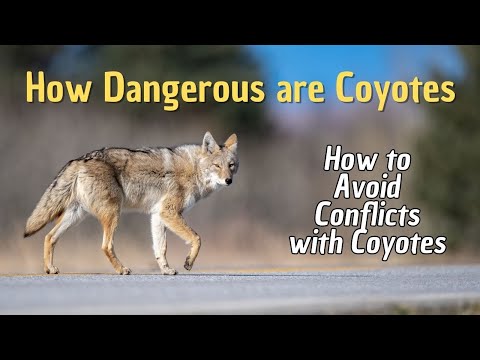
Knowing a bit about how coyotes act can really help you, your pets, and your family stay safer.
You can spot warning signs and do a few simple things to avoid trouble before it starts. If you see a coyote acting aggressive, let your local authorities know so they can handle it.
Recognize Coyote Behavior and Warning Signs
Coyotes usually keep their distance from people, but sometimes they get bold—especially if they’re protecting territory.
If a coyote comes close to you or your pets, watch for growling, raised fur, or intense staring. These are big red flags that it feels threatened or has a den nearby.
When you notice a coyote hanging around homes or acting too comfortable, it might be getting used to people. Don’t feed coyotes or leave food out, since that just encourages them.
Most coyote sightings aren’t dangerous, but knowing the signs helps you react the right way.
Protecting Pets and Children During Encounters
Small pets are especially at risk if coyotes are around. Always keep dogs and cats on a short leash during walks—especially early in the morning or at dusk.
Bring pets inside at night, and never leave pet food outdoors. It’s just asking for trouble.
Teach kids to stick close to adults, not to run, and to make loud noises if they see a coyote. That alone can scare one away.
If you clean up fallen fruit and secure your trash, you make your yard less appealing to coyotes. That’s one less thing to worry about.
Reporting Aggressive Coyotes to Local Animal Control
If you spot a coyote acting aggressively—maybe chasing people or pets more than once—go ahead and contact local animal control right away.
Try to share as many details as you can about what the coyote did, where it happened, and when you saw it.
Animal control teams rely on this info to track down problem animals and step in when needed.
Sometimes, they’ll even offer tips to help you avoid trouble with coyotes in the future.
It’s a good idea to stay up to date on what your community’s doing about coyotes, just to keep yourself and your neighbors a little safer.


