
Coyotes stay active all year, though certain seasons make them pop up more often and focus on different things. If you’re wondering when you’ll likely spot coyotes or just want to keep your pets out of trouble, it’s smart to know their busiest times. Coyotes get especially active during their mating season from late winter through early spring, and again in the fall when young ones strike out on their own.
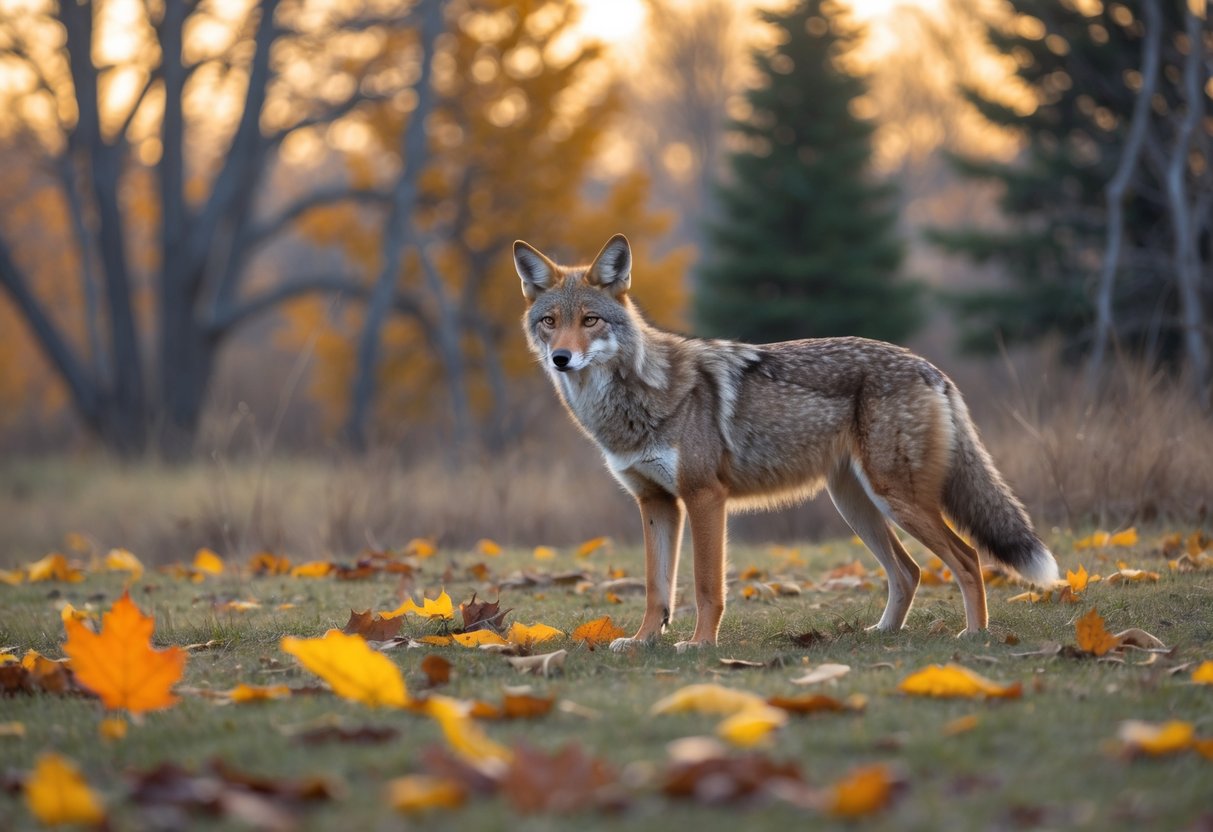
During these seasons, you’ll notice coyotes traveling more and sometimes taking bigger risks—either hunting or defending their turf. The rest of the year, they tend to keep a lower profile, but you’ll still catch them moving around dawn and dusk.
If you know when coyotes ramp up their activity, you can stay more alert and avoid those run-ins nobody wants.
It doesn’t matter if you’re in the city or out in the sticks—knowing what coyotes are up to helps you get why they do what they do. Their habits change with the seasons, and that can mean different things for your safety and theirs.
Coyote Activity Patterns Throughout the Year

Coyotes shift their behavior as the year goes on, depending on the season, what’s around to eat, and where they’re at in their life cycle.
You’ll see them act differently in winter, during mating, and when young coyotes finally leave home. These changes affect how often you might bump into one.
Winter Activity and Increased Movement
Winter makes finding food tough, so coyotes have to move around more to eat.
They don’t hibernate, so you’ll see them out and about even when it’s freezing.
When the weather gets really bad, coyotes rest in sheltered spots, but they’ll still travel farther than usual if they have to. This helps them sniff out small animals or find something left behind.
You’ll often notice coyotes hunting in the early morning or late at night, when there are fewer people around.
Scarce food can make coyotes a bit bolder in winter. They may take chances they wouldn’t otherwise, so it’s smart to keep pets and small animals inside or supervised. For more on how they behave in the cold, check out Winter Behavior: When are Coyotes Most Active & Aggressive?
Mating Season and Aggression
Coyotes usually breed from January through March. During this time, they get more active during the day and sometimes act more aggressively.
You might spot them roaming more as they look for mates or defend their space.
Once pups arrive, females get fiercely protective. You’ll want to be extra careful, especially if you have small pets.
Both parents bring food back for their pups, so you’ll see them hunting more often.
Daytime activity and aggression spike during mating season, which can make things dicey in neighborhoods. Knowing this gives you a leg up on keeping your pets safe. You can read more at when coyotes are most active and aggressive.
Young Dispersal in Fall and Late Summer
Late summer and fall bring a big change—young coyotes start leaving their family groups to find their own spot.
This means more movement and sometimes more run-ins with people.
These young coyotes wander farther and might check out new areas, so you could see more of them than usual.
Traveling helps them survive, but it can also bump up the risk for pets. You’ll often notice higher activity at dawn and dusk during this stretch.
Adults and pups stick together until fall, but after that, the groups break up as the young head out. All this moving around means they need more food, so they hunt and travel more. For more on this, see Coyote Biology | Internet Center for Wildlife Damage Management.
How and When Coyotes Hunt Across Seasons
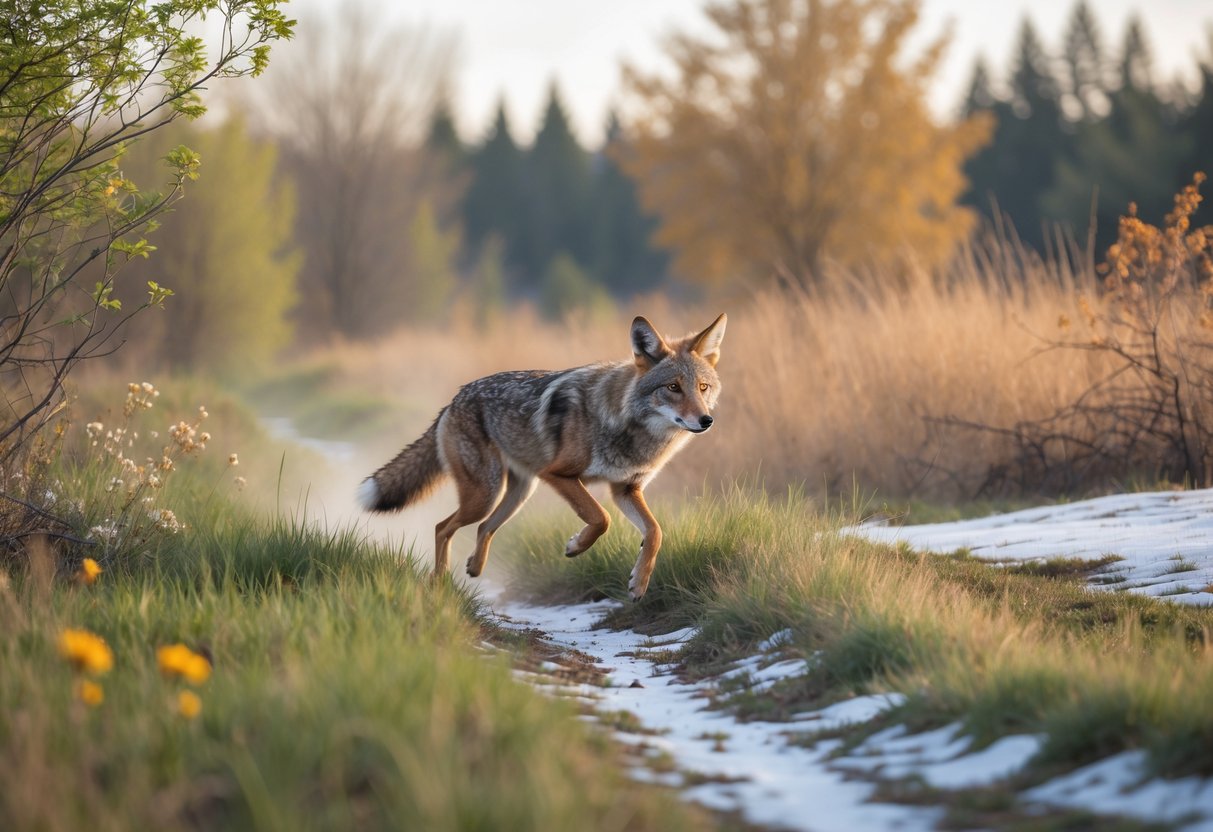
Coyotes switch up their hunting based on the time of year, what’s around to eat, and where they live.
They’ve got favorite times for hunting and adjust their habits depending on their environment. If you get a feel for these patterns, you can better predict when they’ll show up and keep your space safe.
Typical Hunting Times: Day vs. Night
Coyotes mostly stick to nocturnal habits, so you’ll hear or see them from dusk till dawn.
They often howl and move around at night. But when winter hits and food gets scarce, they sometimes hunt during the day too.
Cold weather pushes them to spend more hours looking for something to eat.
In fall and spring, you’ll see less daytime action—they zero in on dawn and dusk.
Early mornings, especially right after sunrise up to around 11 a.m., can be prime time to spot or hunt coyotes, since they’re out looking for prey.
Effect of Urban and Rural Environments
Where coyotes live really shapes how they act.
In rural areas, they have room to roam—fields, forests, fence lines, you name it. When winter makes food harder to find, you might spot them during the day more often.
If they’re in urban settings, coyotes usually avoid people by sticking to nighttime hours.
You might catch them slipping through green spaces, parks, or even sneaking into backyards to hunt small animals or scavenge for scraps. Urban coyotes get more cautious and quiet, trying not to get noticed.
Keeping Coyotes Away and Reducing Encounters
If you want to keep coyotes off your property, start by getting rid of anything they might eat. Lock up your trash bins.
Don’t leave pet food outside, and pick up fallen fruit from your yard. It’s a bit of a hassle, but it really helps.
Try putting in motion-activated lights or devices that make loud noises. These can startle coyotes and send them running.
If you hear that coyotes are around, skip walking your pets alone at dawn or dusk. Those are the times when they’re most active, anyway.
Keep your yard neat. Block off spots where coyotes could hide or try to dig a den.
If you spot a coyote, stand tall and wave your arms. Shout or make noise—don’t be shy about it. You want them to know you’re not easy prey.
Curious about their habits or the best times to spot them? Take a look at some tips on when do coyotes hunt.


