
Ever been outside at night and heard some weird, almost human-like yelling? It’s easy to start wondering if coyotes are actually trying to copy us. Turns out, the real story is a bit different—and honestly, kind of fascinating.
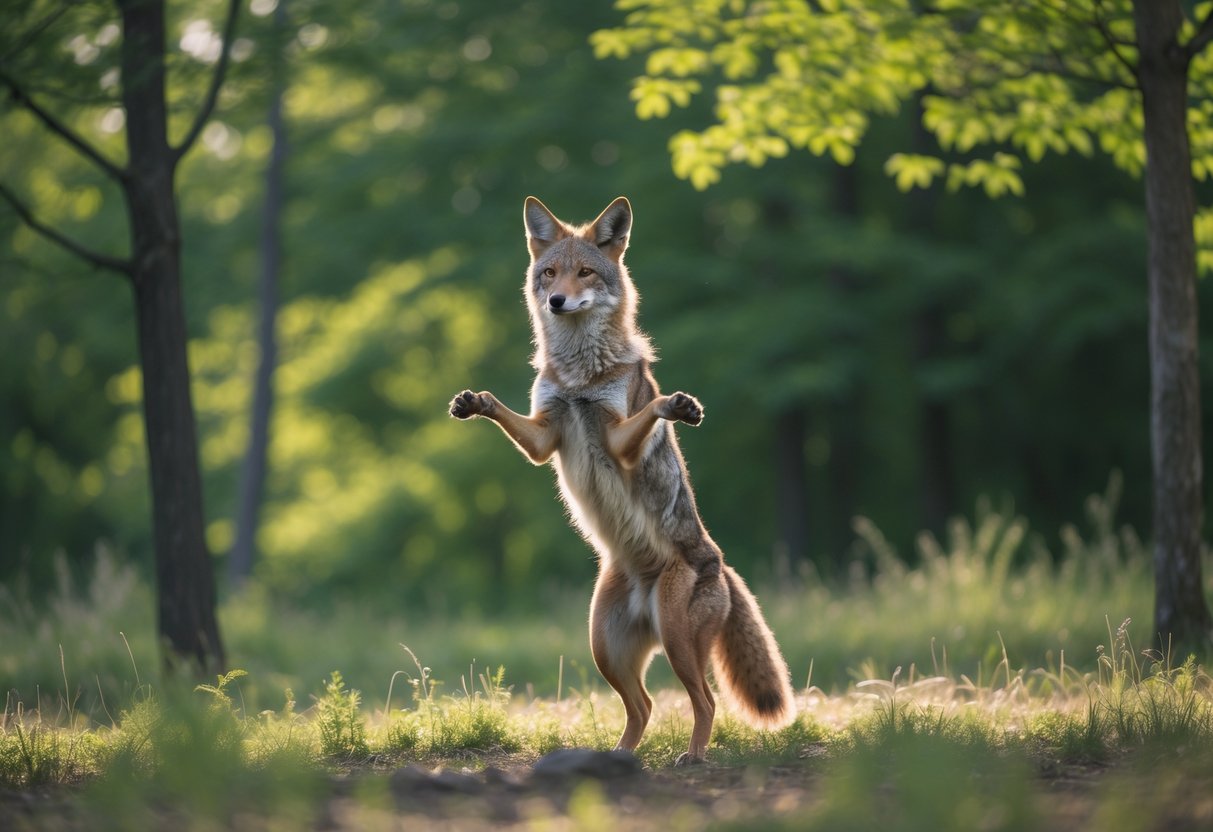
Coyotes don’t imitate human voices or sounds. Their howls, yips, and barks can sometimes sound odd or even a little sad, but it’s just how they communicate with each other.
If you’ve ever found yourself wondering what those noises really mean, you’re in the right place. Let’s dig into why coyotes sound so strange and bust a few myths about their vocal skills.
Do Coyotes Sound Like Humans?

Coyotes make a huge variety of sounds, and sometimes they really can trick your ears. Their calls shift in pitch, length, and intensity, depending on the message. The way their voices echo at night can make them seem even more like a human scream—or maybe that’s just your imagination running wild.
Coyote Vocalizations That Resemble Human Sounds
You might hear a coyote’s howl or scream and swear it sounds like someone in trouble. Coyotes let out high-pitched yips, howls, and sharp barks that can come across as eerily close to a human cry, especially when it’s dark and quiet.
These calls help them talk to each other. They use them to warn off rivals, call out to their family, or just express excitement. The sounds might be unsettling, but it’s just their way of keeping in touch with their group.
Pitch Variation and Group Howling
Coyotes switch up the pitch and tone of their howls to send different messages. A high, wavering howl usually means they’re marking territory or looking for their pack.
When a bunch of coyotes howl together, it turns into a wild chorus. This group howling keeps them connected over long distances.
It also shows off their social bonds and helps them defend their turf. The way the sounds rise and fall in waves can make things feel extra spooky.
Common Misconceptions and Urban Legends
A lot of folks think coyotes can mimic human voices, but that’s just not how it works. The myth that coyotes scream like people comes from people mistaking their natural calls for something else.
Those viral videos or stories about “coyotes screaming like humans”? Usually, that’s just exaggeration or confusion. Coyotes don’t copy human speech—they stick to their own sounds.
If you want a deeper dive into why coyotes sound so weird but don’t actually mimic humans, check out Can Coyotes Mimic Humans? Exploring Coyote Vocalizations.
Coyote Behavior Around Humans and Other Animals
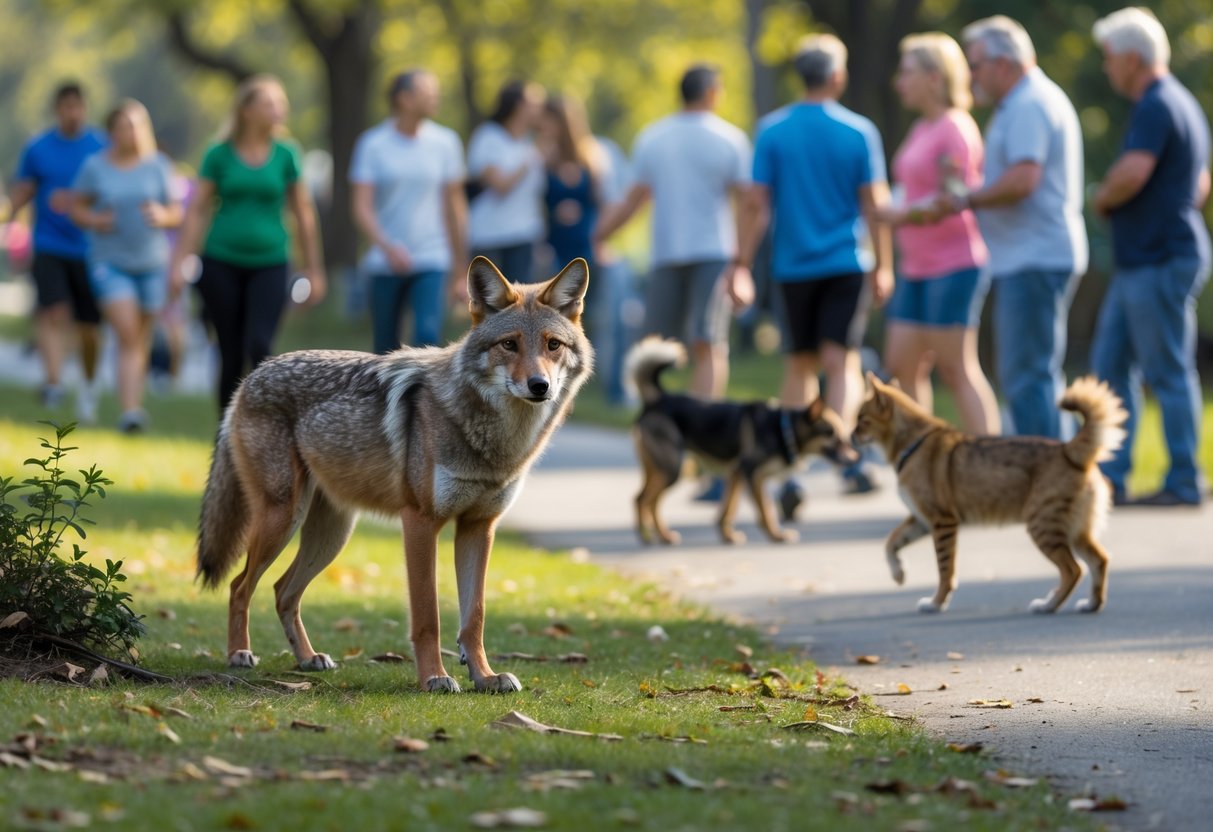
Coyotes tend to act cautious around people, but their behavior really depends on where they live and what they’ve experienced. Most of the time, they avoid humans.
Things can change when pets or food are around. Knowing how coyotes interact with dogs—and what makes them more likely to attack—can help you protect your pets.
Coyote Interactions With Dogs
Coyotes see small dogs as potential prey, especially during breeding season when they get more territorial. So, your small dog faces more risk, even if it’s on a leash or hanging out in your yard.
Larger dogs usually don’t have much to worry about, except when coyotes are defending their space.
To keep your dog safe, bring it inside or watch it closely when it’s outdoors. Don’t leave pets alone in fenced yards, since coyotes can sometimes clear those fences.
It’s also smart to skip areas where people have seen coyotes recently. Remember, coyotes come out more at dawn and dusk, so extra caution during those times goes a long way.
Coyote Attacks and Human Safety
Coyote attacks on people are pretty rare, but they do happen—usually with kids. Most coyotes want nothing to do with people, though a few get bold if folks feed them or leave easy snacks around the house.
You’ll mostly find these incidents in suburbs or neighborhoods where coyotes and humans live close together. If you want to avoid problems, don’t feed coyotes or leave pet food outside.
Keep your trash bins locked up, and maybe skip the bird feeders if they’re drawing in critters coyotes like to hunt. Spot a coyote? Don’t run. Try shouting or waving your arms to scare it off.
Staying alert and cutting off their food options near your home goes a long way in keeping everyone—people and coyotes—safe.
Learn more at Coyote Relationships with People.


