
Have you ever noticed how people say “coyote” in all sorts of ways? Depending on where you live, it can sound a bit odd—or maybe just different from what you’re used to.
People use different pronunciations because of regional habits, age, and how much they care about sticking to the word’s Spanish roots. There are at least five common ways to say it, so honestly, none of them are really wrong. Each one just reflects a different background or culture.

In some areas, folks say “kai-oat-ee,” stretching it out to three syllables. Others go with “kai-oat,” making it short and sweet with just two.
Sometimes, people switch up how they say it depending on whether they’re in the city or out in the country. There’s even a bit of a generation gap—older people might say it differently than younger ones, who often pick up their version from cartoons or local slang.
If you start paying attention, you’ll find that “coyote” tells a whole story about history and community. It’s kind of amazing how a simple animal name can carry so much behind it.
If you’re curious about all the ways to say “coyote,” check out this detailed explanation.
Top Reasons People Say Coyote Wrong
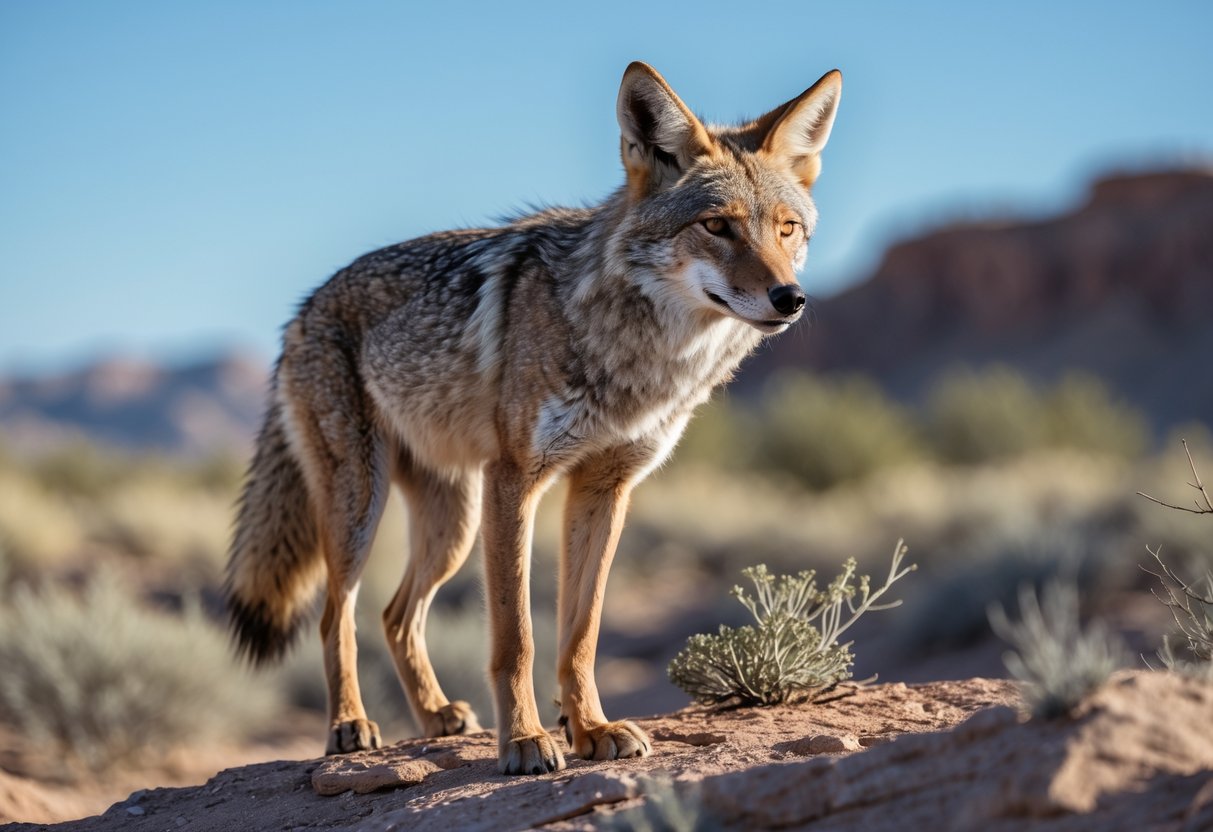
How you say “coyote” really depends on where you grew up and your background. The word’s roots, pop culture, and even a few myths all play a part in the mix.
Different Regional Pronunciations
People in the western U.S. and Canada usually say “kai-oat,” just two syllables. But head to the coasts or the South, and you’ll often hear “kai-oat-ee” instead.
This split shows up between cities and rural areas, too. City folks tend to go with “kai-oat-ee,” while people in the countryside prefer “kai-oat.”
Researchers have even mapped out these patterns across the U.S. You might catch yourself switching between pronunciations depending on who you’re with.
Etymology and Original Pronunciation
The word “coyote” started in the Nahuatl language, where it sounded like “koy-OH-tehl.” Spanish speakers picked it up and turned it into “coy-yoh-tay,” which still pops up near the U.S.-Mexico border.
When English speakers borrowed it in the 1800s, they couldn’t agree on how to say it. Early dictionaries listed both two-syllable and three-syllable forms.
The three-syllable version lines up more with the original, but both have stuck around in English for a long time. That’s why you hear so many versions today.
Influence of Pop Culture on Pronunciation
If you watched cartoons as a kid, you probably remember Wile E. Coyote from Looney Tunes. That character made “kai-oat-ee” pretty famous, especially for younger folks.
Pop culture often nudges people toward the three-syllable version, even if their region usually says it shorter. Sometimes, TV and media just have that kind of effect.
Some people even use one pronunciation for the animal and another for smugglers, mixing pop culture and slang together.
Common Myths vs. Actual Facts
Some folks claim there’s a “right” way to say “coyote,” or that one way sounds smarter. But honestly, both pronunciations work just fine in English. It really comes down to where you’re from and your own habits.
There’s also a myth that “kai-oat” is the original, but that’s not really clear. Both forms have shown up in English for well over a century.
People sometimes say the three-syllable version is just copying cartoons, but that’s not true either. The longer form actually goes back to the word’s roots.
So when you hear someone say “coyote” differently, it’s not about being right or wrong. It’s just a mix of history, geography, and a little pop culture.
You can dive deeper into the different ways to say coyote.
How the Word Coyote Has Evolved

The word coyote has a pretty long journey behind it. It started in ancient Native American languages and changed as it moved through Spanish and into English.
Its meaning and pronunciation have both shifted over time, shaped by different cultures and eras. That’s why you hear it in so many ways today.
Language Roots and Historical Usage
The Aztecs used the word coyōtl in Nahuatl, which sounded a bit like “coy-OHTL.” Nahuatl was their main language from the 14th to 16th centuries.
Spanish speakers adopted the word as coyote in Mexico, pronouncing it “co-yoh-teh.”
When English speakers picked it up in the mid-1700s, they changed the sound again. That’s how we ended up with versions like “kai-oat” and “kai-o-tee” instead of the Spanish way.
Cultural Contexts and Changing Meanings
Coyotes show up in all sorts of Native American stories and traditions. Some tribes think of the coyote as a trickster or a teacher. Others connect it to magic or hunting luck, which is honestly kind of fascinating.
When the animal’s image made its way into English, people started using coyote to mean more than just the animal itself. Folks began to associate it with cleverness and adaptability, probably because coyotes just seem to survive anywhere.
Since the word came into English through Spanish but started in Nahuatl, how you say it—or even what it means—can shift depending on your background or where you grew up.
If you’re curious and want to dig deeper, check out the word “coyote” from Nahuatl to English.


