
Ever wandered outside on a chilly night and caught that haunting “hoot” drifting through the air? You might wonder when owls actually make those sounds the most. Owls usually hoot from late fall into early spring, but you’ll hear them the most in late winter when they’re calling to attract mates or mark their territory. Their voices really carry then, so if you’re curious, that’s a great time to listen in.
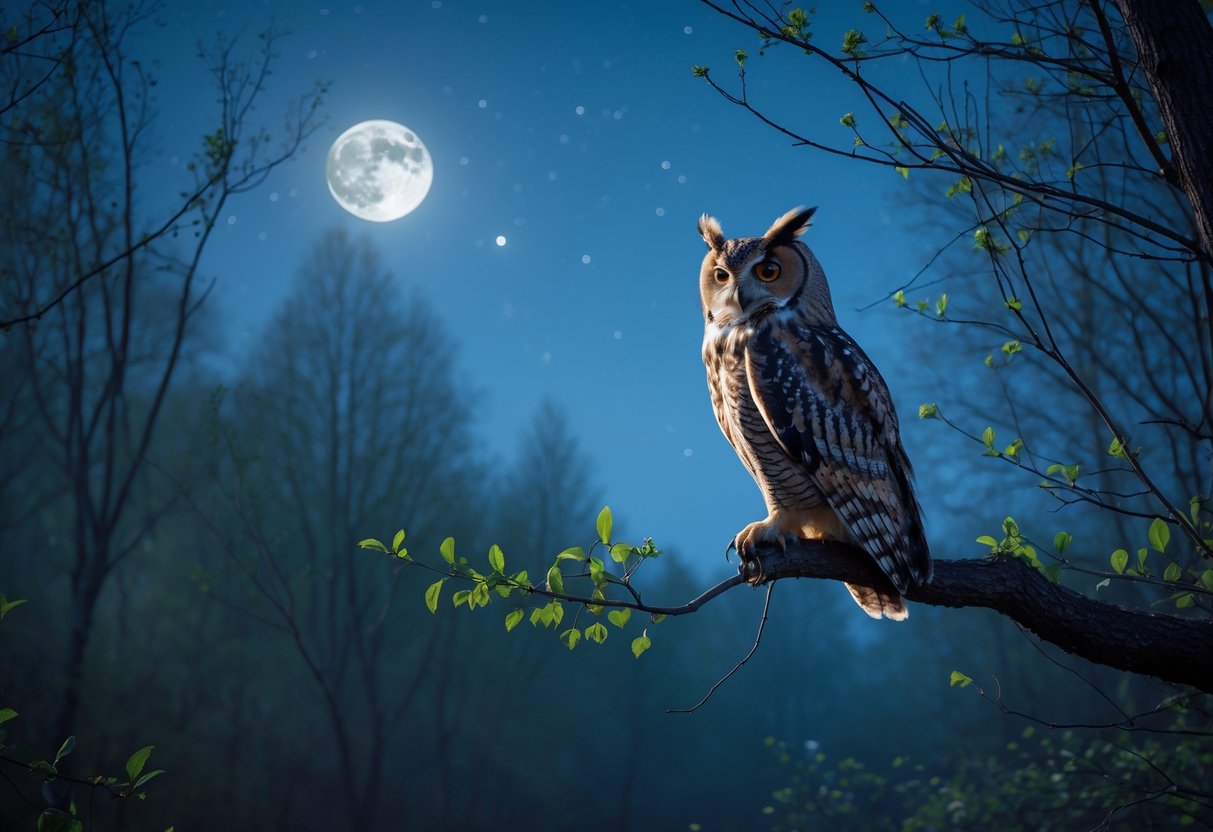
You don’t have to stay out all night, either. Owls often start hooting just after sunset and keep going late into the evening, sometimes picking up again before sunrise.
If you know when to listen, you’ve got a better shot at catching these secretive hunters in action—or at least their calls.
Seasonal Patterns of Owl Hooting

Owls hoot for all sorts of reasons, and it depends a lot on what time of year it is. You’ll notice more calling during certain seasons—mainly when they’re looking for mates or defending their space.
Different owl species, like great horned owls and barred owls, follow their own unique patterns. You can actually learn to pick them out if you pay attention.
Breeding and Courtship Season Timing
Owls really crank up the hooting when they’re searching for a mate. That usually kicks off in late fall and rolls through winter.
Great horned owls start calling in late December or early January. Males get extra vocal, showing off their territory and trying to impress the females with promises of food and a safe nest.
Barred owls join the chorus, too. Sometimes both the male and female call back and forth, almost like a duet.
This back-and-forth actually helps the pair bond and lets everyone know they’re claiming that spot together.
Late Winter and Early Spring Activity
In late winter and early spring, you’ll still hear plenty of hooting, but the tone shifts a bit. Owls get more protective, warning others to stay away from their nests.
Sometimes, rival males get into heated hooting matches if someone tries to sneak into their territory.
This period matters a lot because owlets start hatching soon after. Great horned owls, in particular, get really vocal to defend their young.
The calls also help the family stay in touch, especially when the young ones start to wander.
Regional and Species-Specific Differences
Not every owl keeps the same schedule or sings the same way. Great horned owls mostly stick to nighttime, but you might catch them hooting on a winter afternoon.
Barred owls don’t mind calling day or night, so you might hear them more often.
In warmer regions, some owls start their hooting earlier in the fall. Barred owls can be active during daylight, too.
Snowy owls and burrowing owls have their own routines since they live in totally different places and climates.
If you know your local owls and their habits, you’ll have a much better shot at figuring out who’s hooting and when.
Understanding Nighttime Owl Calls

Owls use lots of different sounds at night to get their point across. These calls help them claim territory, find a mate, or warn off rivals.
Every owl seems to have its own voice, honestly. If you learn to tell them apart, listening at night gets a whole lot more interesting.
Purpose of Hoots and Other Vocalizations
When you hear an owl hoot, it’s usually about territory. Male owls belt out those rhythmic hoots to warn others to back off.
They also use these calls to attract females during courtship.
Owls don’t just stick to hooting—they’ll screech or trill, depending on what they need to say. If you hear a screech, it might mean danger or alarm.
The hoot travels farther at night, so it’s perfect for long-distance messages.
Both males and females call, sometimes even together. That duet helps them bond and lets everyone know they share the territory.
If you listen closely, you’ll notice the males usually have deeper voices, while females sound a bit higher.
Differences Between Hoots, Screeches, and Screaming
Hoots sound steady and rhythmic, with a beat you can almost tap your foot to. You’ll hear them most when owls are marking territory or courting.
Screeches and screams are way sharper and louder. Owls use them when they feel threatened or want to scare off a predator.
These sounds come out of nowhere and don’t follow a pattern like hoots do.
Each call has its own job. Hoots send messages across long distances, while screeches are more about immediate danger.
If you pay attention, you can usually tell if an owl is just warning a rival or actually reacting to a threat.
Recognizing Calls From Great Horned and Barred Owls
Great Horned Owls let out a deep, four-note hoot. It goes something like, “hoo-hoo hoo hoo.”
You’ll probably notice this call most often on cold, clear nights. Their voices just seem to travel farther when the air’s crisp.
Barred Owls, on the other hand, have a longer, more drawn-out call. People usually remember it as, “Who cooks for you? Who cooks for you-all?”
Their hoots sound softer and more musical. Honestly, they repeat themselves a lot more than Great Horned Owls do.
These owls start hooting around dusk and keep going until dawn. Fall and winter bring out their loudest calls, since that’s when they claim territories and kick off mating routines.
If you’re out walking at night and hear these sounds, you can usually figure out which owl is nearby. It’s a neat way to connect with the woods after dark.
For more on owl hoot patterns, check out this owl hooting behavior guide.


