
You might be surprised when you hear an owl hooting in broad daylight. Most people assume owls only sing at night. But actually, some owls do hoot during the day because they’re communicating or marking their territory.
Daytime owl sounds are just part of their normal behavior, even if it feels odd to us.

Sometimes, the sound you hear isn’t even an owl. Mourning Doves make cooing noises that can sound a lot like owl hoots.
People often mix them up, honestly. If you learn to tell the difference, you’ll appreciate the birds around you a lot more.
Is It Normal to Hear an Owl During the Day?
Hearing an owl during the day might catch you off guard. While most owls prefer the night, some do call out during the day for their own reasons.
It’s not always unusual if you know what to listen for—or why they’re doing it.
Typical Owl Activity Patterns
Most owls, like the Great Horned Owl, stick to being nocturnal. They hunt and call at night when it’s dark.
This helps them avoid predators and catch prey like mice or birds that are active after sunset.
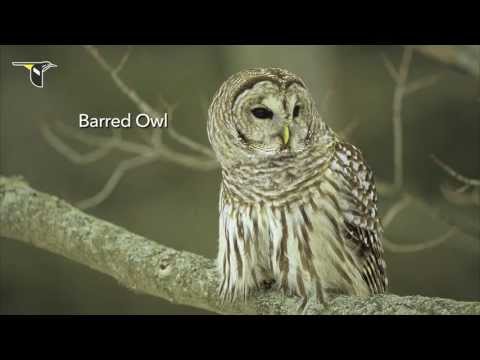
But not all owls follow the same schedule. Some, like Barred Owls and Tawny Owls, are active during the day too.
So, hearing hoots in daylight isn’t weird for them. Their eyes and hunting style let them manage in low or bright light.
Possible Reasons for Daytime Owls
When owls call during the day, they’re usually protecting their territory. They hoot to warn other owls to stay away from their hunting or nesting spot.
This can happen any time they feel threatened or need to set boundaries.
Daytime calling also happens during breeding season. Owls call to mates or their young, even in full sunlight.
Sometimes, changes in food sources or new environments—like moving into neighborhoods—make them more active during the day.
Signs That an Owl Is Active During Daylight
You might notice more hooting if an owl is up and about during the day. Listen for a loud, clear series of hoots, almost like “Who cooks for you?”—that’s a Barred Owl classic.
Look for owls perched quietly in big trees or hanging out near forest edges. Great Horned Owls are trickier to spot during the day since they prefer dawn or dusk, but Barred Owls are bolder.
If you hear a deep, repeated hoot near woods or even in your neighborhood during the day, it’s probably a real owl and not just another bird making noise. If you want to dig deeper, check out this detailed explanation on Barred Owls calling both day and night.
Understanding Owl Sounds and Their Meaning
Owl calls have different purposes—marking territory, attracting a mate, or just keeping in touch with family. Not every sound is a hoot; some owls trill, screech, or even whistle.
Hearing these calls during the day might seem odd, but there’s usually a good reason.
Common Types of Owl Calls
Owls make all sorts of calls, depending on their species. The Eastern Screech-Owl uses a descending whinny or a trill.
Barred Owls have that memorable “Who cooks for YOU?” pattern.
Barn Owls don’t hoot much—they shriek, high and sharp. Northern Saw-whet Owls sound like a little “toot” over and over, almost like sharpening a saw.
If you start to recognize these calls, you’ll know which owl is nearby.
Why Owls Hoot During the Day
Most owls stick to hooting at night, but sometimes you’ll hear them during the day. Usually, they’re defending their territory or calling to a mate outside their usual hours.
Barred Owls, in particular, call during the day more than others. If you catch an owl hooting in the morning or afternoon, it’s probably just normal behavior.
Those occasional daytime hoots help them stay social or meet their breeding needs.
Distinguishing Owl Hoots From Other Birds
Not every hooting noise out there comes from an owl. Sometimes, other birds or even animals throw you off with similar sounds.
Owl hoots tend to sound rhythmic, slow, and deep. That’s a far cry from the quick chirps or songs you’ll hear from most songbirds.
If you catch a loud, long, and repetitive hoot, chances are you’ve got an owl nearby. Birdwatchers usually say owl hoots come through steady and clear—definitely not like the scattered calls from other birds.
Honestly, once you get used to the unique pattern of an owl’s hoot, it gets easier to spot them, even when you can’t see them.
For more detailed examples of owl calls, check out this collection of different owl sounds.


