
Owls have a reputation as skilled hunters, thanks to their sharp eyesight, silent flight, and crazy-good hearing. Still, just like every animal out there, they’ve got their own set of weaknesses—some of which might actually surprise you.
Sure, they’re great at spotting prey and gliding through the night, but a few things can trip them up.
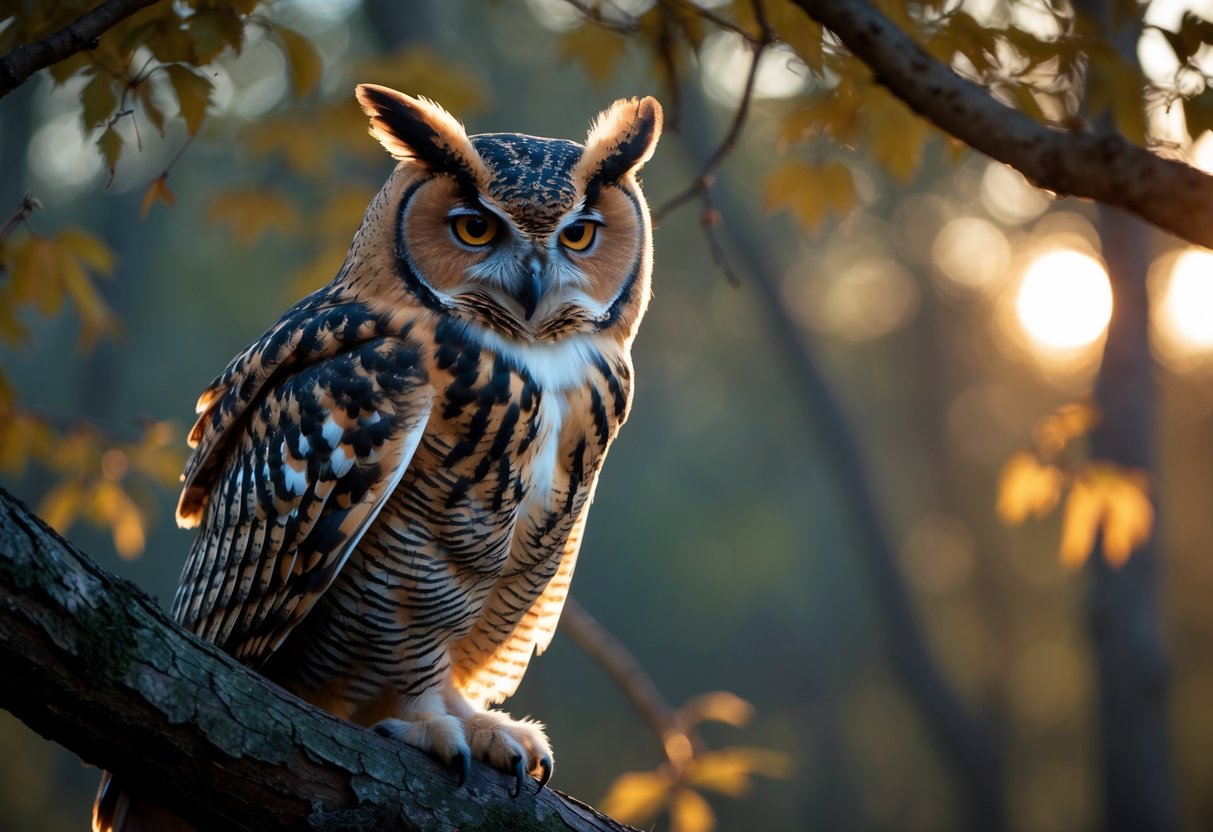
Probably the most obvious weakness? Their feathers aren’t waterproof. If an owl ends up in water, it just can’t fly well until it dries off. That’s a real problem if it’s hunting near ponds or lakes.
Here’s another odd thing: owls can’t move their eyes like we do. They have to turn their whole head to look around. It’s kind of wild, and it helps them see, but it also means their vision is limited in certain ways.
When you start to notice these quirks, it’s easier to appreciate both how owls survive and the challenges they deal with.
Owls’ Weaknesses and Vulnerable Traits
Owls might be impressive hunters, but they run into their fair share of problems. Some of these come from how their bodies work, while others are from predators or just bad luck with illness.
Physical Limitations and Injury Risks
One big physical limitation? Their eyes stay locked in place. So, when an owl wants to look around, it has to crank its head up to 270 degrees. That’s cool, but you can imagine how much strain that puts on their necks.
And those wings? Definitely not waterproof. If an owl falls into a pond or gets caught in a downpour, it’s stuck on the ground until it dries out.
Large owls like the great-horned owl have super strong feet and talons for grabbing prey. Ironically, those same talons can injure them if they get tangled up or when they fight with each other.
Accidents happen, too. Flying at night or through thick trees, owls might crash into branches or even hit buildings and power lines. Barred owls and screech owls in your neighborhood could run into these problems.
Threats From Predators and Mobbing Birds
Owls might be fierce, but they aren’t invincible. Great-horned owls sometimes get attacked by bigger birds or even mammals. Smaller owls, like screech owls, have to watch out for hawks and larger owl species.
Other birds, like chickadees, will team up and mob an owl. They dive-bomb and screech to drive it away from their nest. It’s noisy and stressful, and it can mess up the owl’s hunt.
When mobbing happens a lot, owls tend to hide more. You might notice they keep to the shadows if there are too many angry birds in the area.
Susceptibility to Disease and Parasites
Owls can get sick with stuff like pneumonia or tuberculosis. Parasites, including feather lice, fleas, and worms, also bother them. These pests can really drag an owl down if nobody deals with them.
Sometimes, owls eat prey like pigeons that carry diseases, which just gets passed along. Young owlets and older owls have weaker immune systems, so illness hits them harder.
Clean habitats and decent food help owls stay healthy. If their environment goes downhill, their chances of getting sick go way up.
For more details, you can check out Characteristics and Behavior of Owls.
How Weaknesses Affect Owl Survival and Behavior

Owls have to deal with a bunch of challenges that shape how they hunt, raise their chicks, and respond to changes in their world. These weaknesses change the way they find food and keep their young safe, especially as habitats shrink and people move in.
Impact on Hunting and Diet Choices
Hunting is all about stealth and sharp senses for an owl. But if its wings get soaked, it’s grounded. Flying over water or hunting in the rain? Not ideal for an owl.
Young owls usually start out catching little things—bugs, frogs, whatever they can manage. As they get bigger, they go after rodents and birds. If food is scarce, though, owls will just eat what they can find.
You’ll likely spot owls hunting in dry, sheltered spots where prey is easier to grab.
Effects on Young Owls and Nesting
Raising baby owls isn’t easy, especially when weaknesses get in the way. If people cut down trees or disturb nesting sites, it’s tough for owls to keep their eggs and chicks safe.
Young owls rely on their parents for everything at first. If mom or dad gets hurt and can’t hunt well, the chicks might not get enough to eat.
All these things make it harder for young owls to grow up and survive on their own.
Environmental Challenges and Habitat Pressures
People keep clearing forests and building new towns, and owls really feel the squeeze. There’s just not as much room left for them to hunt or find a safe spot to nest.
Fences, garden lights, and random backyard stuff? Those things can turn into unexpected traps. Sometimes owls get hurt or even die while they’re just out hunting.
Then you’ve got chemicals and lead poisoning in the mix. When owls eat prey that’s been poisoned, they can end up with health problems that mess with their chances to survive or raise chicks.
All these pressures make life in the wild rougher for owls. They have to adapt fast just to get by.
For more on threats that affect owls, see biggest threats to owls.


