
Owls have fascinated people for ages. You’ll spot them in stories, dreams, and all kinds of art.
Ever wondered why these mysterious birds, mostly seen at night, show up in so many cultures? An owl usually stands for wisdom, intuition, and sometimes mystery or change, but it really depends on the culture.
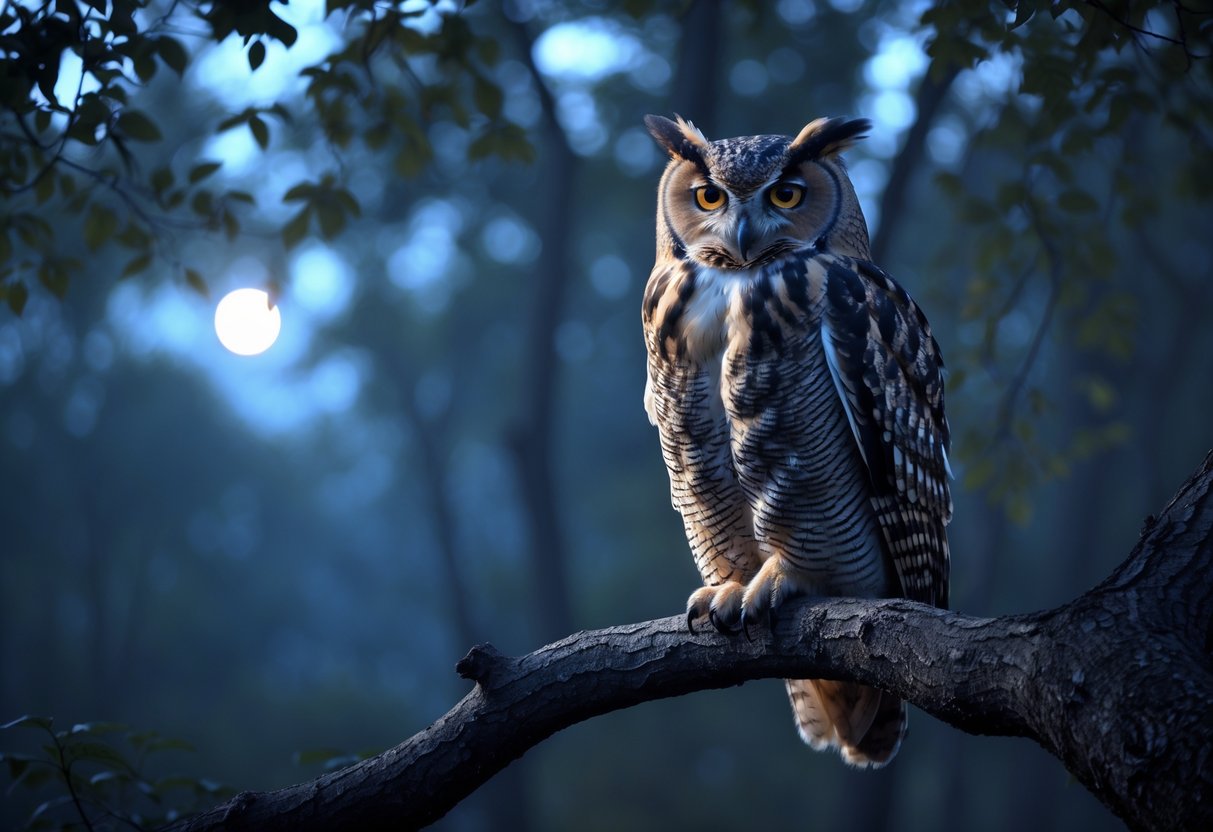
When you see an owl, maybe it’s a nudge to trust your gut or notice what’s hidden in your life. Some folks believe owls protect warriors or guide souls.
Understanding what an owl means might help you see things differently. You could even find comfort in uncertain times, which is kind of nice.
Curious about how owls show up around the world and why they’re such powerful symbols? Keep reading.
You might be surprised by what these quiet night hunters stand for.
Core Symbolism of Owls

Owls carry deep meanings that touch your mind, spirit, and those big changes in life. They tend to show up as guides for clearer thinking, hidden knowledge, and big shifts in your journey.
Wisdom and Knowledge
Spotting an owl? That’s often about wisdom and learning. In a lot of Western cultures, people connect owls to Athena, the goddess of wisdom.
That link makes owls a symbol of deeper thinking and understanding.
Maybe you notice an owl right when you’re stuck on a problem or need a new idea. They remind you to lean on what you know and keep chasing the truth.
You’ll find owls as symbols of education, so they pop up in places like schools and libraries.
Because owls see in the dark, they stand for clarity even when things get confusing. They push you to stay sharp and make good choices.
Mystery and Intuition
Owls live in the night, which ties them to mystery and the unknown. When you picture an owl, think about sensing things others just can’t.
A lot of cultures see owls as symbols of intuition—the kind where you just know something, even if you can’t explain why. They urge you to trust your gut and notice the small hints around you.
People sometimes see owls as spiritual messengers. They help you dig into hidden parts of your mind or spirit.
That could mean finding a secret talent or finally understanding something that’s been buried deep. Owls invite you to look beyond what’s obvious and wonder about the mysteries all around.
Transition and Change
Owls often stand for major changes in life. Since they’re active at night, they connect to endings and beginnings—those times when you’re moving from one stage to another.
Seeing an owl might mean you’re about to start something new, like a job or even a new way of thinking. They remind you that change can help you grow, even if it feels shaky at first.
Some cultures link owls to death or transformation. That doesn’t mean something bad is coming—it’s more about letting go of old habits or ideas so you can make space for something fresh.
Owls nudge you to embrace change and trust the path ahead, even when it’s tough.
You can check out more about owl meanings at What Does an Owl Symbolize? The Ancient and Modern Meanings.
Owl Symbolism in Different Cultures

Owls mean different things depending on where you look. Sometimes they’re about wisdom and mystery, other times they’re protectors or even warnings.
Their symbolism really shifts with each culture’s stories and beliefs.
Spiritual Meanings
In a lot of spiritual traditions, people see owls as messengers or guides. They often stand for intuition and the skill to see what’s hidden.
That could mean deeper insight or a stronger connection to the spiritual side of life.
For some Native American tribes, owls protect or share sacred knowledge. But in other places, they might warn of bad luck or death.
Owls can symbolize both good and not-so-good spiritual forces, depending on what you believe.
In Asia, owls sometimes bring good luck. For example, the Taiwanese Bunun people see owls as guardians of infants and symbols of life and care.
Symbolism in Ancient Civilizations
If you look back in history, you’ll notice owls often tied to gods and goddesses. The most famous is probably in Ancient Greece, where the owl connects to Athena, the goddess of wisdom and war.
That made owls a symbol of knowledge and strategy.
In ancient Rome and Egypt, people sometimes saw owls as protectors of the dead or guides through the afterlife. Their symbolism included both wisdom and a link to things beyond our world.
Ancient folks also noticed how owls see in the dark, so they connected the bird with insight during dark or mysterious times.
Owl in Folklore and Modern Culture
Stories and legends love to cast owls as wise characters or sometimes as mysterious, almost haunting creatures. In Western folklore, people often see owls as helpful guides, but sometimes they show up as omens of danger or even death.
These days, you’ll spot owls everywhere in education because folks connect them with intelligence. You might notice their images in school logos, tucked into books, or popping up in movies.
Modern spirituality gives owls a different twist. Some people see them as signs of personal growth or change. They might nudge you to trust your instincts or maybe pay attention to things that aren’t obvious.
If you’re curious about how different cultures view owls, take a look at owl symbolism across cultures and myths.


