
Owls grab our attention with their silent wings and those deep, mysterious eyes. Ever wonder why these birds pop up in so many stories and beliefs? Owls usually stand for wisdom, intuition, and the knack for seeing what others miss. They show up as messengers, bringing clarity and insight.
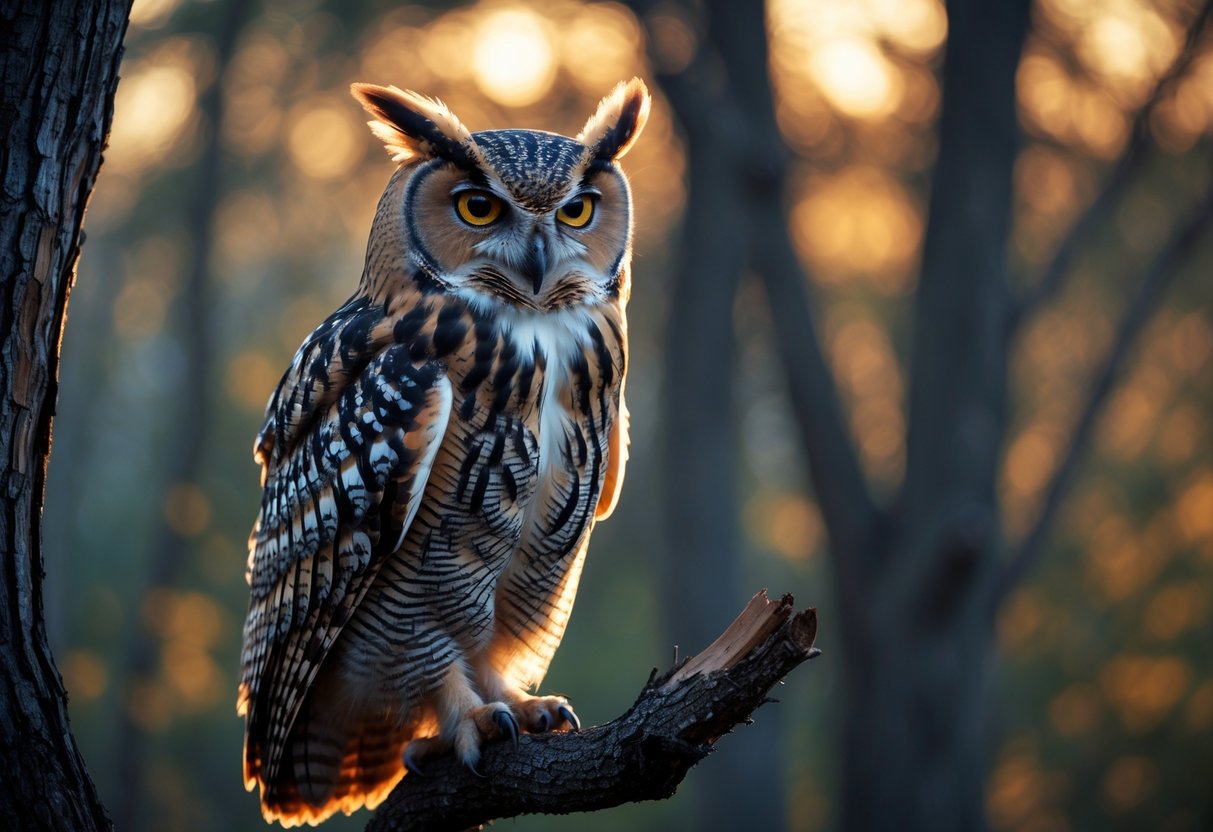
Depending on where you look, owls might mean change, protection, or even serve as warnings. Some folks think they’re linked to death or bad luck, but plenty of people see them as guides through rough patches or reminders to trust that gut feeling. It’s a mix—spotting an owl can feel like a sign that something matters.
When you see an owl—out in the world, in a dream, or even as a symbol—it’s almost like they’re nudging you to pause and think. They push you to look a little deeper, maybe face a truth you’ve been dodging. If owls keep showing up for you, maybe it’s a hint that something important is on the horizon.
Curious about why these birds carry so much symbolism? You can dig into more about their meanings here.
Core Meanings of Owl Symbolism
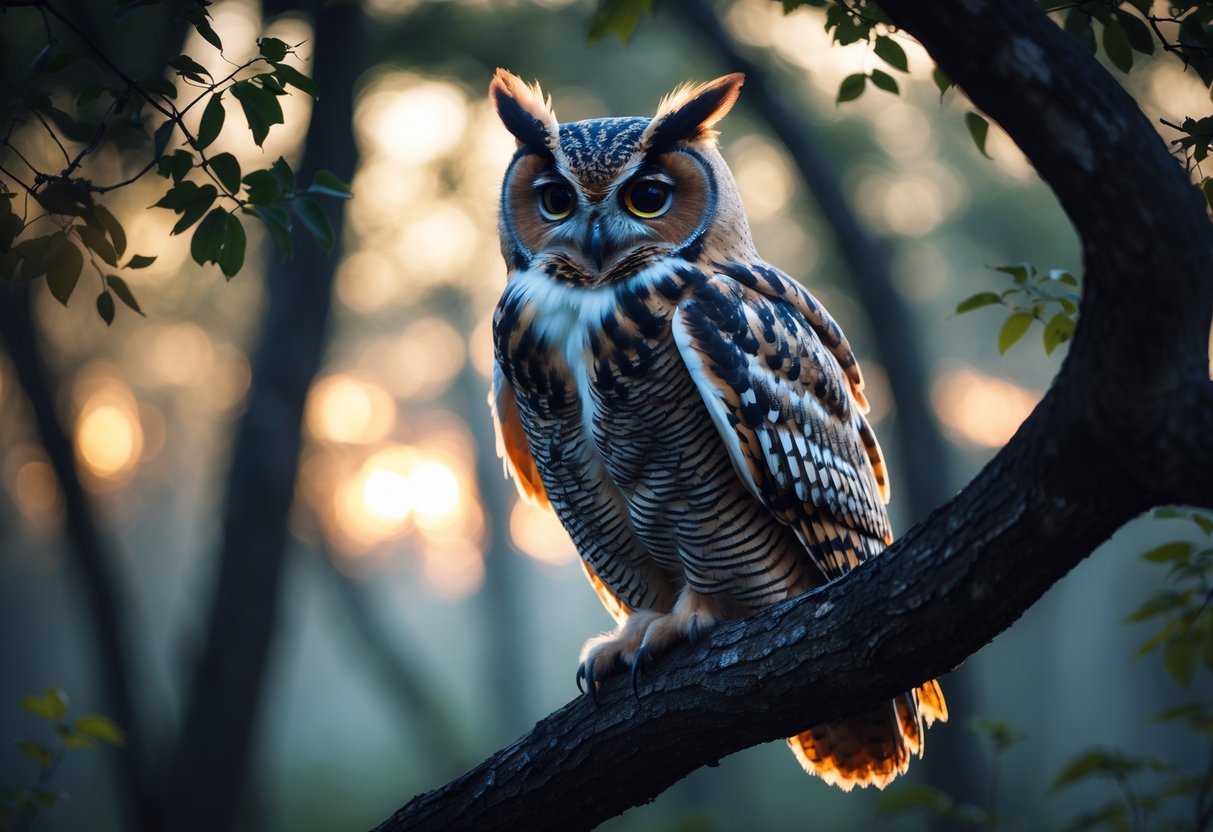
Owls stand for big ideas that can guide you. They bring messages about what’s clear and what’s hidden, plus the changes you might bump into.
Because they’re such unique hunters, owls make these meanings feel real and powerful.
Wisdom and Perception
Owls symbolize wisdom—just look at those eyes and how they see in the dark. Their huge eyes catch details most folks miss.
That’s a pretty good reminder to pay attention to the little things others overlook.
Owls rely on sharp perception to survive. This nudges you to trust your own insight and take your time before making choices.
Their silent flight? It suggests moving through life with focus, maybe a little caution too.
Seeing an owl could inspire you to learn something new or dig deeper into a topic. Sometimes, it’s just about seeing things from a different perspective.
Mystery, Intuition, and the Unseen
Owls live for the night, which makes them perfect symbols of mystery and the unknown. They kind of urge you to trust your intuition—that quiet, nagging feeling about stuff you can’t quite explain.
Since owls hunt in the dark, they represent your ability to find your way through confusing or murky times. Maybe they’re telling you to look past the obvious and listen to your gut.
Owls also nudge you to uncover secrets or hidden truths. Like cracking open an egg and finding something unexpected, you might stumble on a surprise that helps you grow.
Death, Transformation, and Transition
Lots of cultures connect owls with death or major changes. It’s not always about literal death—it could just mean an ending or a big shift in your life.
Owls, as hunters, remind you that real change often comes after you face something tough. Maybe you’re moving from one phase to another, and the owl’s presence says it’s okay to accept that.
Some people believe owls guide souls, so they symbolize moving between worlds or states of being. If you’re going through a tough transition, maybe the owl’s there to help you find strength in change.
Sometimes, it feels like an owl is watching over you, and that can be a comforting sign that you’re not on your own while you grow.
If you want more details, check out What Owls Symbolize: Spiritual, Biblical, and Dream Meanings.
Cultural and Historical Perspectives on Owls
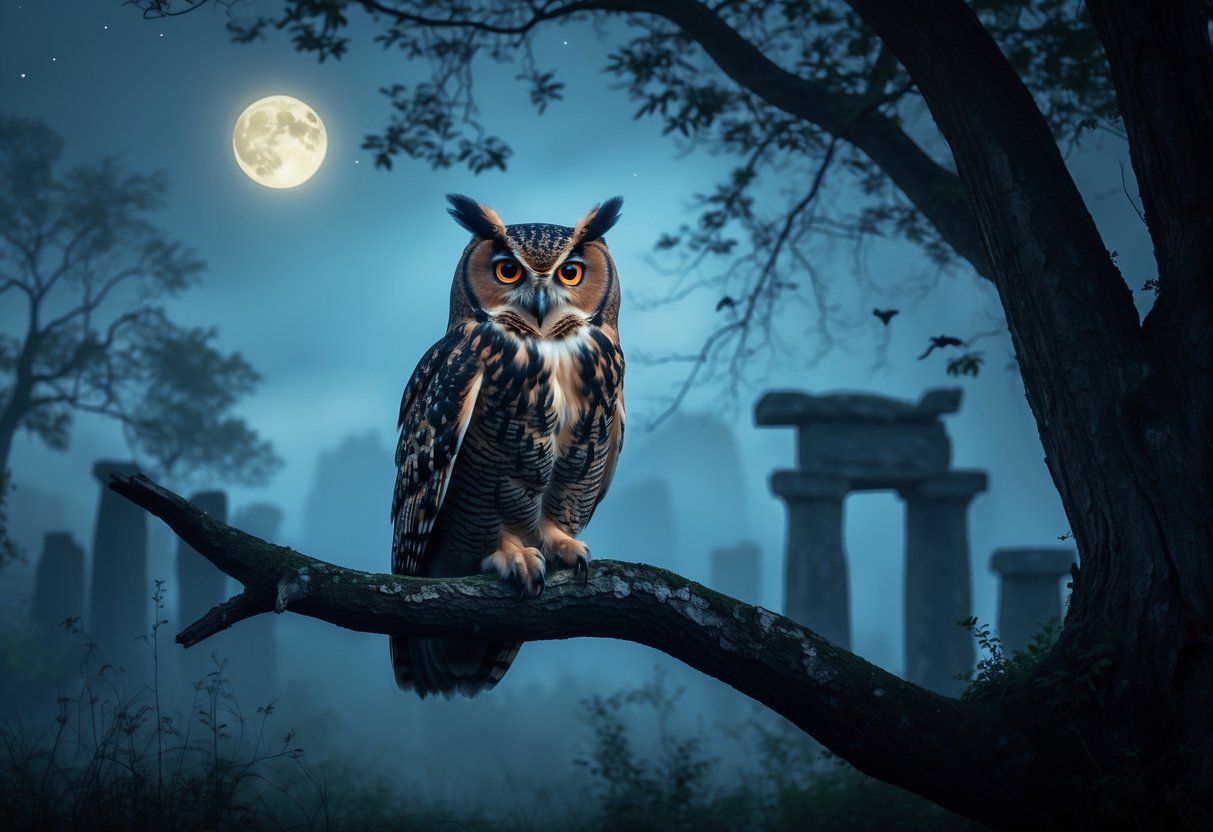
Owls have meant all sorts of things in different cultures and times. Some people see them as wise, others link them to mystery or even danger.
You’ll spot owls in old myths, religious stories, and the traditions of cultures all over the world.
Owls in Greek and Roman Mythology
In Greek mythology, Athena—the goddess of wisdom and war—chose the owl as her bird. The barn owl and eagle owl became symbols of knowledge and protection because of her.
Owls, thanks to Athena, came to stand for intelligence and insight.
Romans took these ideas and ran with them. They saw owls as wise, but also mysterious, and sometimes as omens of death or bad luck.
The great horned owl and other “horned” owls made people think of power and the unknown, since horns were kind of a big deal back then.
Biblical and Ancient Middle Eastern Interpretations
Owls show up in the Bible and old Middle Eastern stories with mixed vibes. In the Bible, the screech owl usually appears in lonely, deserted spots. That gave owls a spooky connection to isolation and danger.
Babylonian legends sometimes cast owls as night creatures tied to spirits and the underworld. Owl feathers? Not so lucky there—people saw them as warnings or signals of trouble.
Symbolism in Africa, Asia, and the Americas
In Africa and Asia, people both respect and fear owls, depending on where you are. Some African cultures see owls as signs of death or bad luck, while others think of them as wise guardians linked to spirits.
Native American tribes give owls deep significance. Tribes like the Cherokee and Lakota saw the great horned owl and screech owl as powerful or maybe even dangerous.
They believed owl feathers could protect warriors or give them special skills, like moving quietly or seeing at night.
Among Native Americans, the barred owl and short-eared owl often show up as guides or warnings. Some stories say owls can shape-shift or are spirits of the dead, and their calls sometimes meant you should behave or stay safe.
Modern Views and Popular Myths
These days, lots of people see owls as symbols of wisdom and mystery. You’ll spot owl images in art or tattoos—maybe as a nudge to trust your gut or to keep learning.
Some old myths stick around, though. People sometimes say spotting an owl during the day brings bad luck, or that touching owl feathers isn’t wise. Still, plenty of cultures respect owls for their quiet strength and night hunting skills.
Maybe owls even show up as guardians in your own dreams or stories. The great horned owl and the eagle owl keep sparking our imagination. They remind us of wild places and those old, deep stories that never really leave us.


