
Ever spotted an owl in the UK and wondered what it actually means? In British folklore, owls carry a lot of weight—they’re mysterious, wise, and sometimes even a bit ominous. People in the UK see owls as symbols of watchfulness and intelligence, with a hint of the supernatural or the unknown.
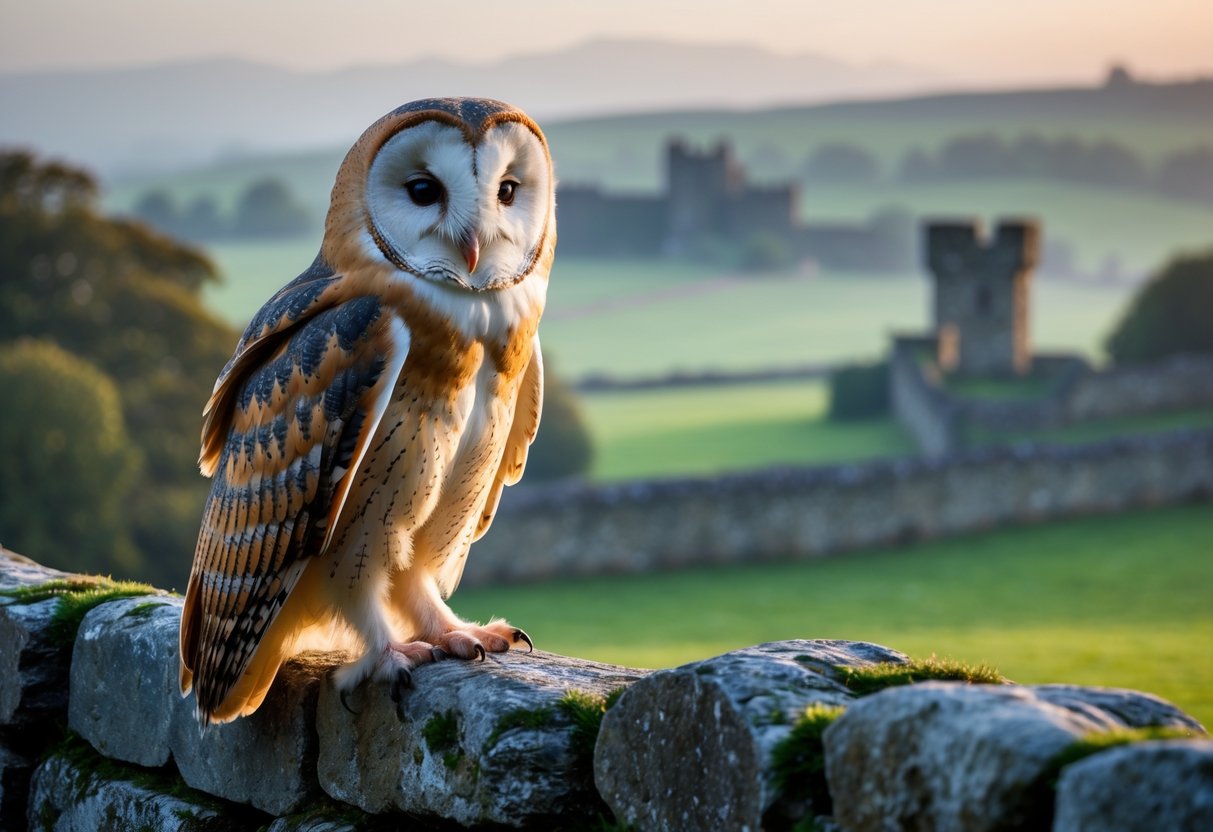
You’ll hear old tales where owls guard secrets or bring a bit of bad luck, depending on where you live. In Wales, for instance, an owl’s hoot gets tied up with big life events—maybe a sign for unmarried girls or a blessing for a new baby.
These traditions really show how owls have become part of the stories and customs that surround us.
Whether you find owls wise, a little creepy, or somewhere in between, they’ve nested deep in the UK’s cultural history. Learning about their symbolism might just change how you see your next owl encounter.
If you’re curious, there’s a great deep dive here: Owls Mythology & Folklore.
Symbolism of Owls in the UK

Owls in the UK mean different things to different people. Sometimes they stand for wisdom, but they can also warn of trouble or bad luck.
Some folks say owls connect us to the spirit world. Others think they’re signs for health or weather changes.
Wisdom and the Wise Old Owl
You’ve probably heard about the “wise old owl.” In the UK, this idea sticks because owls act so clever and thoughtful.
People in early England linked owls to Athena, the Greek goddess of wisdom. They saw owls’ quiet, watchful ways at night and figured these birds must be smart.
Artists even put owls on coins as a sign of insight. The positive image of owls made them show up in books and teaching, nudging us to appreciate learning and careful thinking.
Omens and Bad Luck in Folklore
In British folklore, people sometimes treat owls as omens of bad luck or even death. Folks called them “corpse birds,” believing their calls brought warnings or mourning.
Old stories, especially Shakespeare’s plays, mention owls shrieking before something awful happened—like battles or deaths. Hearing an owl’s cry could spook you, making you think of spirits or the “night hag.”
People avoided owl feathers and eggs, worried they might bring trouble. These superstitions really show how owls got tangled up with fears about danger or sadness.
Spiritual Connections and Afterlife
If you think owls bring spiritual messages, you’re definitely not alone in the UK. Many believed owls guided souls or delivered messages from the spirit world.
Owls’ nighttime habits made them seem like they lived between our world and the next. Some stories say if an owl visits a home, it means a lost loved one’s spirit is near.
This gave owls a mysterious, almost sacred role as a bridge between the living and the dead.
Luck, Weather, and Healing Beliefs
Some UK regions believe owls can bring luck or even protect your health. People kept owl feathers or eggs as charms to guard against sickness or bad weather.
Farmers watched owl behavior for hints about rain or storms. Spotting an active owl might mean changes are on the way.
Old healing tales sometimes mention using owl parts in folk medicine. Sure, it sounds odd now, but it shows how much trust people placed in owls back then.
You can explore more about owl symbolism in different cultures here: owl meaning and symbolism across cultures and myths.
Owls in History, Mythology, and Culture
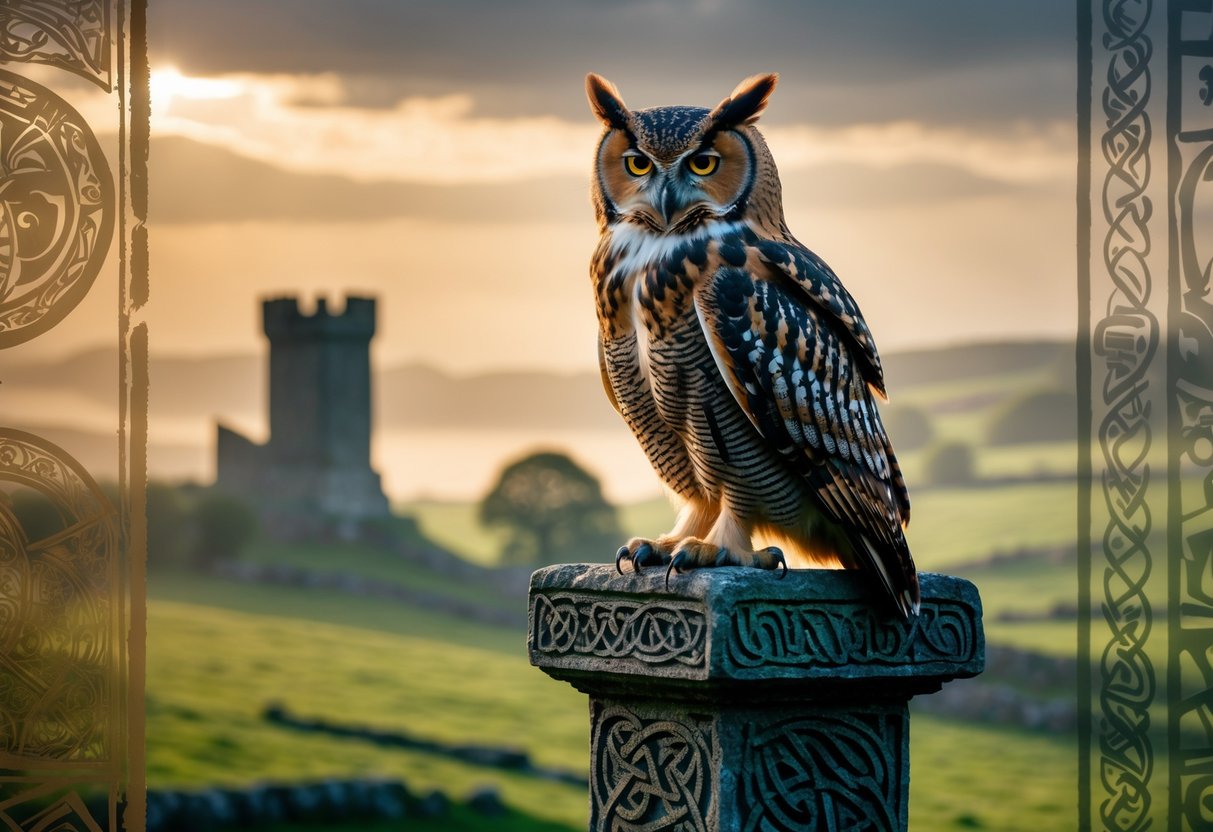
Owls have a long, tangled history in the UK. You’ll find them in ancient Greek and Roman tales, as well as in British legends.
Different species—barn owl, tawny owl, little owl—shape how people here see these birds today.
Greek and Roman Influences
People in ancient Greece saw owls as symbols of wisdom and protection. The little owl, or Athene noctua, was Athena’s bird, so it brought luck to thinkers and warriors.
Romans, on the other hand, felt the opposite. Leaders like Julius Caesar and Augustus believed an owl’s hoot spelled disaster or death.
To them, that sound was a warning, not a blessing. It’s kind of wild how one little bird can mean such different things, depending on who’s telling the story.
Medieval and Celtic Legends
During medieval times, people in Britain tied owls to magic and mystery. The Celtic people saw owls as creatures from the spirit world.
Owls popped up as messengers or signs of death and change. There’s a famous Welsh myth where Blodeuwedd, a woman, gets turned into an owl as punishment.
That story paints owls as symbols of loneliness and sorrow. In English and Welsh folklore, people mostly heard owls at night, which just made them seem spookier.
Some old beliefs say an owl’s hoot near your house meant something big was about to happen—maybe a birth, maybe some other change.
Notable UK Owl Species and Traits
Owls like the barn owl, tawny owl, and little owl have carved out their own special places in UK culture.
People often think of the barn owl for its silent flight. It’s become a symbol of stealth and calm—honestly, it’s a bit haunting how quietly it moves.
The tawny owl is the one you’ll probably hear at night, with that classic “hoot.” That sound pops up in so many stories and bits of folklore.
As for the little owl, folks sometimes call it a sign of wisdom, borrowing from old Greek traditions. It’s a small bird, but it definitely carries a reputation.
Scientists have found owl fossils that date back millions of years. Owls really haven’t changed much, which is kind of wild when you think about it.
You might spot owls hunting quietly at night somewhere in Eurasia. They show off skills that keep their mystical image alive in UK culture.


