
Owls have this reputation as the silent hunters of the night, but what do they actually scare off? Mostly, owls frighten birds and small mammals like rabbits and squirrels, keeping them away from gardens and crops. When an owl—real or fake—shows up, these animals usually second-guess getting too close.
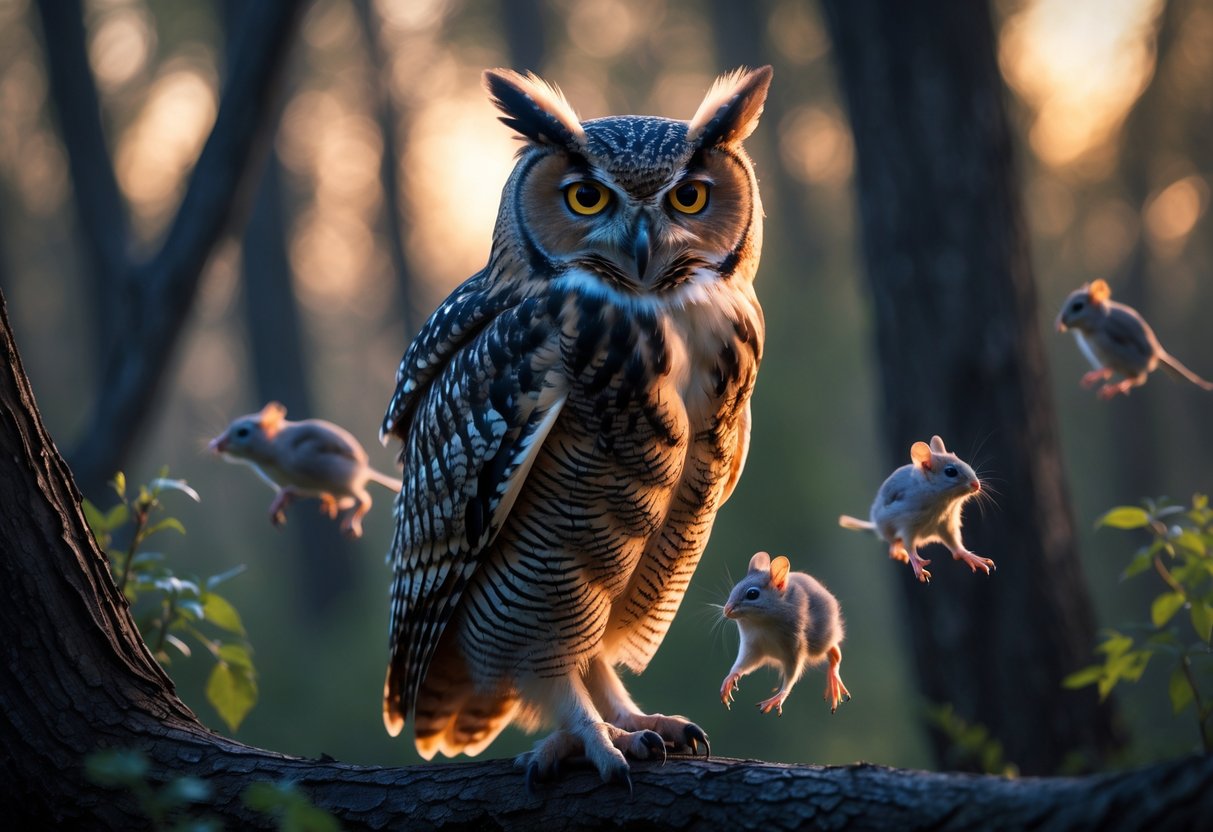
You’ve probably seen those plastic owls perched in gardens or on rooftops. People put them there hoping to keep pests at bay. Owls work well at first, but birds and critters can figure out the trick unless you move the decoy around now and then. Knowing what owls actually scare away can help you decide if trying an owl deterrent makes sense for your space.
What Animals Do Real Owls Scare Away?

Real owls hunt with skill and keep lots of garden and yard pests in check. Just seeing an owl around can make some animals nervous enough to stay away.
It’s interesting—knowing which animals owls scare can help you use nature’s own predator to your advantage.
Common Birds and Pests Affected by Owls
Owls go after small mammals and birds they like to eat. Mice, rats, and voles—those classic garden pests—usually keep their distance.
You’ll probably notice fewer rabbits and squirrels too, since owls sometimes hunt the young or smaller ones.
Birds like pigeons, starlings, and little songbirds often avoid spots where owls hang out. They see the owl as a real threat and just stay away.
Possums and raccoons might also steer clear, knowing owls are natural predators.
Why Owls Are Effective Natural Predators
Owls see well at night and fly without making a sound, so they sneak up on prey easily. When they swoop down, they surprise their target and scare off anything nearby.
Their sharp talons and beaks make them a genuine danger to smaller animals. That reputation alone keeps a lot of pests away.
Since owls hunt actively, their presence signals real risk for pests. This natural fear lets you control pests without chemicals or traps.
Letting real owls do their thing near your home means you’re letting nature take care of some pest problems.
For more on how owl statues compare to real owls, check out this in-depth guide.
Do Decoy and Fake Owls Really Scare Pests Away?

Decoy and fake owls sometimes help with certain pests, mostly by playing on what animals see and recognize as danger. But honestly, how well they work depends on how the pests react and how often you move the owl around.
Knowing which animals pay attention to decoys—and where they fall short—can help you figure out if a fake owl is worth it.
How Visual Deterrents Like Decoy Owls Work
Visual deterrents like decoy owls count on animals recognizing the silhouette of a predator. Birds and rodents may avoid places where they spot a threat.
The decoy needs to look real enough to trigger that instinct. You’ll want to put the fake owl where pests usually show up.
If you move it every few days, it works better, since animals can get wise to a decoy that never budges. Some even have flashing eyes or other features to make them more convincing.
Types of Birds and Pests Affected by Fake Owls
Fake owls mostly scare off birds and small rodents. Birds like pigeons, sparrows, robins, and bluejays often take off when they spot what looks like an owl.
Some rodents might also steer clear if they see a decoy near their usual hiding places.
Decoys don’t work as well on bigger birds or animals that don’t see owls as a threat. Squirrels or hawks, for example, might just ignore them.
If you’re dealing with smaller, daytime birds, you might notice better results with a fake owl.
Limitations and Effectiveness of Owl Decoys
Fake owls usually scare off birds and pests for just a little while. After a bit, they catch on that the owl never moves, so it stops working.
Owls hunt at night, so daytime birds might not even care about them. Hawks, on the other hand, hunt during the day and often scare off those daytime pests much better.
If you want your fake owl to keep working, you really need to move it around now and then. Try pairing that with clearing out food or nesting spots—otherwise, you probably won’t see much difference. You can find more tips at Using Plastic Owls to Scare Away Wildlife.


