
So, you’re curious if you can put food out for owls. Honestly, it’s best not to feed wild owls directly.
These birds already hunt like pros and don’t really need our help finding dinner. Feeding them can actually backfire, making them way too comfortable around people, which isn’t great for their safety.

You might think it’s a nice gesture to leave out mice or bits of meat, but that can bring trouble. Owls could end up in risky spots or start expecting handouts.
It’s much better to watch them from afar and let them do their thing. If you ever find an injured owl, call a wildlife expert—they know exactly what to do.
Learning why feeding owls isn’t the best idea can help you look out for these amazing birds. Let’s dig into why letting owls hunt for themselves works out better, and what you can do to help them safely.
Can You Put Food Out for Owls?

Feeding owls might sound helpful at first, but it usually creates more problems than it solves. These birds know how to hunt and snag the right prey themselves.
When you give them food, you might mess with their instincts and put them in harm’s way.
Risks of Feeding Wild Owls
If you put out food for owls, they might start relying on people instead of hunting. This habit—called habituation—makes owls lose their natural caution around humans.
That’s a big risk, especially if they start hanging around roads or crowded spots.
Leaving food out can also attract pests like rats, which nobody wants. These pests might carry diseases, and wild owls eating random food could get sick or pick up parasites.
For example, feeding pet-store mice to owls could expose them to germs.
Most healthy owls, like great horned owls, already find what they need to eat. If you see an injured owl, let professionals handle it—they have the right experience.
Natural Diets vs Provided Food
Owls usually eat live prey—think mice, rats, maybe a small bird here and there. Their hunting skills help them catch fresh food that suits them.
If you try giving them raw chicken or beef, it just doesn’t match up with what they get in the wild. Some owls might take it in emergencies, but it’s not good for them in the long run.
Wild owls need live prey to stay sharp and healthy. Offering grains or kitchen scraps isn’t going to cut it.
If you want to keep owls wild, let them hunt as nature intended.
Legal and Ethical Considerations
A lot of places make it illegal to feed wild owls or other wildlife. These rules exist to keep owls safe from the problems humans can cause.
Feeding owls can also make them link food with people, which leads to risky encounters. If you find an owl that needs help, reach out to a licensed wildlife rehabilitator—it’s the safest move.
Wildlife organizations really frown on using bait to lure owls for photos or any reason. It stresses the birds and can harm their health.
If you respect owls, you’ll appreciate them without stepping into their lives.
You can do the most good by keeping owl habitats safe and avoiding chemicals in your yard.
If you’re curious about the risks, check out the National Audubon Society for more details.
Attracting and Supporting Owls in Your Garden
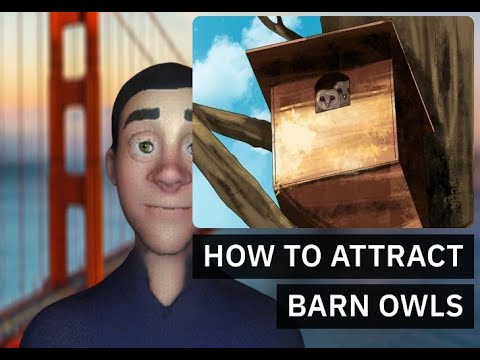
If you want to welcome owls to your garden, focus on what they really need. Give them safe places to roost and nest, and encourage their natural hunting.
That way, owls feel at home—without you needing to play chef.
Creating Habitat for Branching and Nesting
Owls look for sturdy branches to perch on and big trees for nesting. Try to keep mature trees with holes or dead limbs, since owls like the Great Horned Owl use those spots to rest or raise chicks.
Don’t rush to cut down dead trees or snags. These make perfect homes for cavity-nesting owls and other critters.
If you don’t have big trees, maybe put up a nest box designed for owls like barn owls.
Keep trees and branches in quieter corners of your yard. This helps owls feel safe.
Leaving brush piles in out-of-the-way spots gives shelter to the small animals that owls hunt.
Encouraging Natural Hunting Behaviors
A steady food supply really matters for owls. They usually go after small mammals—think mice, voles, or even squirrels.
If you want to help these rodents stick around, just leave some wild areas with tall grass or brush piles. It’s a simple way to support the food chain.
Skip the pesticides or rodent poisons. Owls can get sick if they eat poisoned animals, and nobody wants that.
Try turning off your outdoor lights at night. Less light pollution means owls can hunt in the dark, just how they like it.
Set up perches, like bare branches or old dead trees. Owls use these spots to watch for prey, and honestly, it makes your garden way more inviting for them.
If you’re curious and want more ideas, check out how to attract owls to your garden at the Owl Research Institute.


