
Ever wondered if owls can drink milk? Well, the short answer is no.
Owls can’t digest milk because they don’t have the enzymes to break down lactose, which is in milk and other dairy products. If you give an owl milk, you’ll probably upset its stomach and might even harm it.
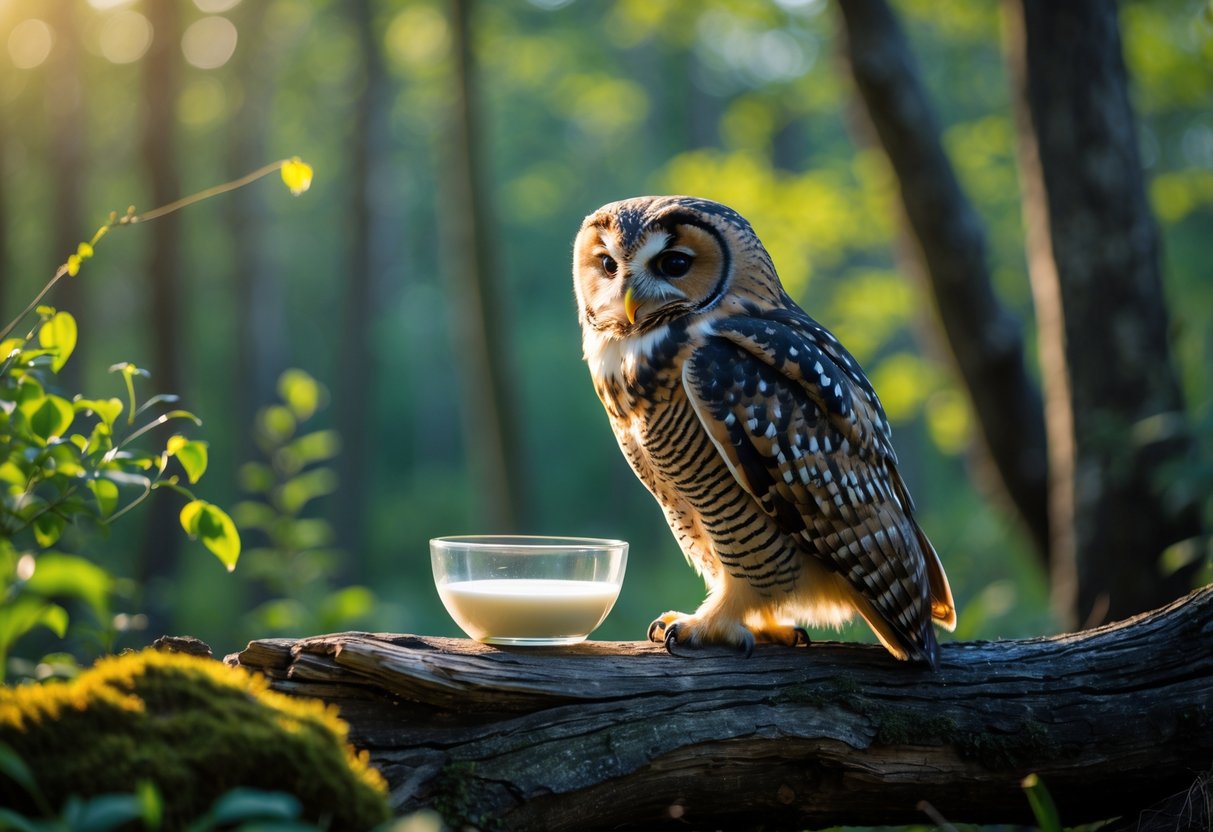
Owls get all their water from the food they eat—think small mammals or birds. They don’t need to drink water or milk separately, unlike some pets.
Knowing what owls can and can’t eat helps you care for them or just appreciate these wild birds a bit more.
Can Owls Eat Milk? Nutritional Needs and Digestion
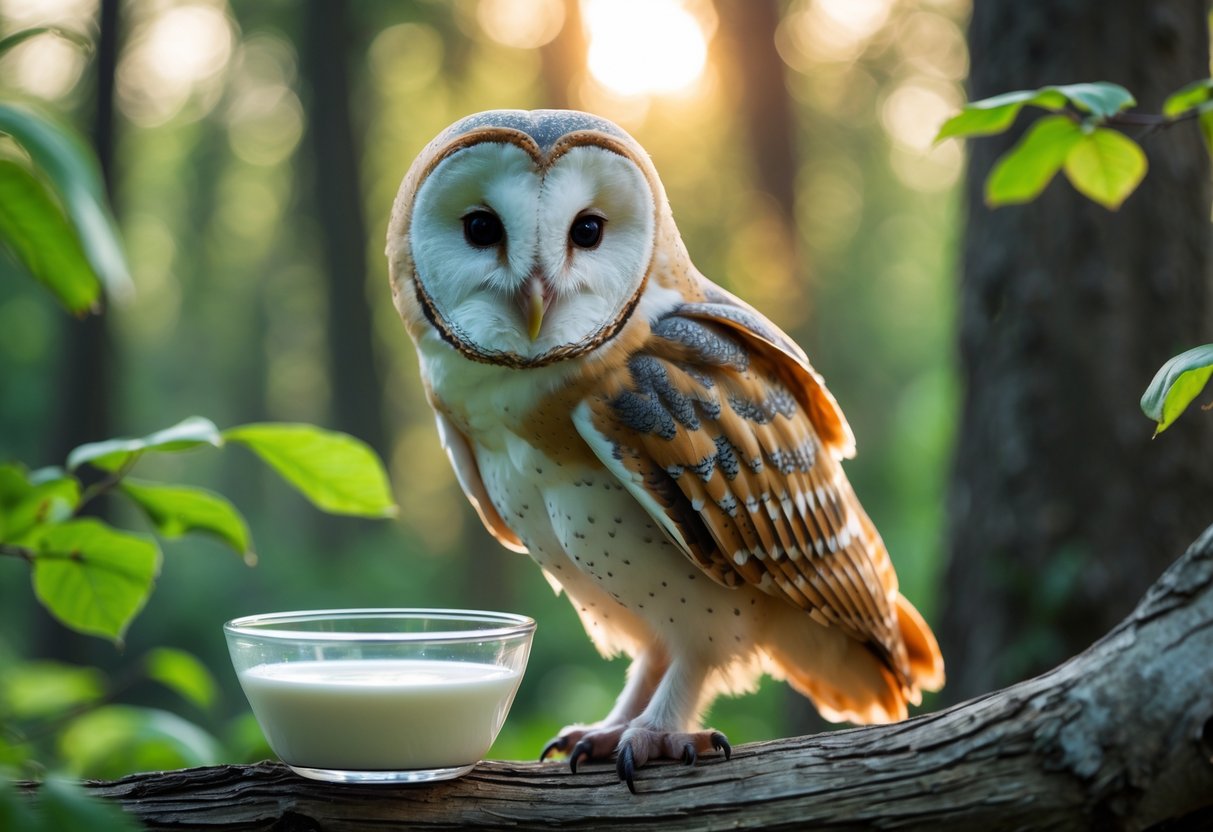
Owls eat meat and have a pretty unique way of handling food. Their bodies digest animal prey, not liquids like milk.
If you look at how owls process food and what they usually eat, it’s clear why milk isn’t meant for them.
How Owls Digest Food
Owls swallow small prey whole, or they tear bigger prey into pieces. They don’t chew like we do.
Their stomach has two parts. One part produces acids and enzymes to start digesting, and the other—the gizzard—holds tough stuff like bones and feathers.
The gizzard compresses these into pellets, which owls spit out later.
Owls don’t have a crop, which is a food storage pouch some birds have. Food goes right into their digestive system.
When something doesn’t fit or can’t be digested, like milk, it can cause trouble.
Why Milk Is Not Suitable for Owls
Milk is for baby mammals that can digest lactose, a sugar in milk. Owls are birds, so they don’t have the enzymes to handle lactose.
If you feed milk to an owl, you could cause stomach upset, diarrhea, or dehydration.
Owls get most of their water from the animals they eat. They don’t need extra liquids like milk.
Giving milk to an owl can mess with its digestion and health because its system only works well with animal prey, not dairy.
Common Prey and Natural Diet
Owls mostly eat small animals—mice, shrews, insects, and small birds. Bigger owls might go after rabbits, fish, or even young foxes.
They hunt using sharp eyesight and silent flight to catch their food.
You’ll see owls eating:
- Insects like crickets and spiders
- Small mammals like voles and rats
- Birds, depending on the owl’s size
- Sometimes fish or amphibians if the owl specializes in that
Their diet covers a big range of live animals that give them protein and water. Milk just doesn’t belong in their natural menu.
If you want to dig deeper into what owls eat and how they hunt, check out this detailed info on Food and Hunting – World Of Owls.
Barn Owls and Dietary Habits
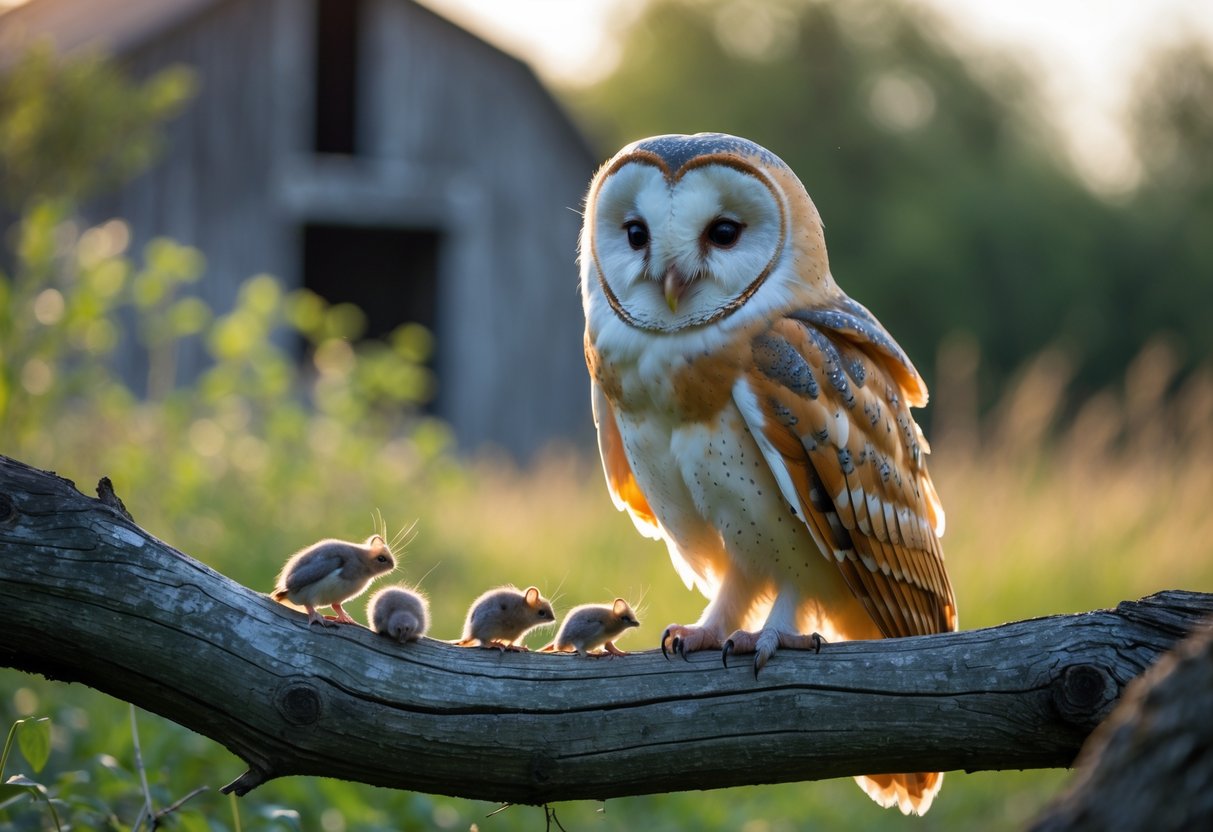
Barn owls have their own style when it comes to hunting and eating. Their diet is mostly small mammals, which they catch with impressive skill at night.
Learning about how barn owls feed and what they eat really makes you appreciate them more.
Barn Owl Feeding Behavior
Barn owls hunt at night. They use their sharp hearing to find prey, even when it’s pitch black.
They glide silently over fields, listening for the tiniest sounds from rodents.
When they spot prey, like a mouse or vole, they swoop down and grab it with their strong talons.
Barn owls usually eat prey whole but can’t digest fur or bones. They form pellets and spit them out later.
If you ever care for a barn owl, don’t overfeed it. Usually, a barn owl eats about two day-old chicks per night, but wild prey is their main food.
Feeding them too much isn’t good for their health.
Diet of Barn Owls in the Wild
Barn owls out in the wild mostly go after small mammals—think field voles, mice, and sometimes shrews. In the UK, field voles alone make up about 45% of what they eat.
They’ll also snatch up other rodents or, on occasion, a small bird or two. Nothing too exotic, though.
When it’s breeding season, these owls have to find enough food for themselves and their chicks. That usually means each owl hunts down close to four prey items every night.
Bad weather, like rain or snow, can really mess with their hunting success. It’s not always easy for them.
You probably won’t catch barn owls eating frogs, insects, or anything much bigger than a mouse. Their menu sticks mostly to small mammals, especially in farmland or woodland spots.
Honestly, this focused diet shows just how important they are for keeping rodent numbers in check.
If you’re curious and want more details, check out the info on feeding barn owls.


