
Owls have fascinated people for ages, often wrapped up in mystery and sometimes darker ideas. Maybe you’ve heard folks say owls symbolize evil—but honestly, that belief comes from old myths and stories, not actual facts.
In a lot of traditions, people see owls as signs of death, evil spirits, or bad luck, usually because of their connection to the night and all things unknown.
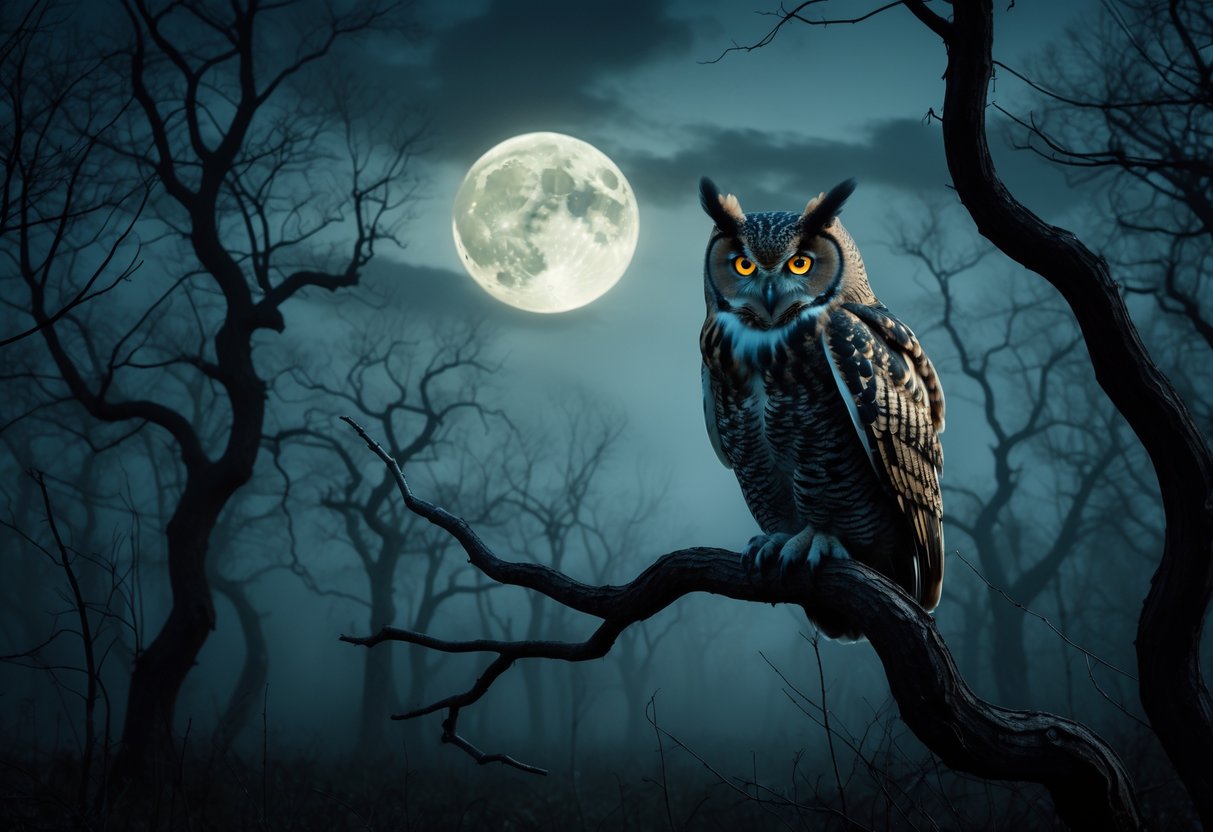
Why do these birds, famous for wisdom, get such a spooky reputation in some places? The answer goes way back. People have connected owls to death or witchcraft for centuries, especially around Europe and the Middle East.
If you’ve ever wondered why owls seem both wise and a little scary, you’re definitely not alone. Digging into these old beliefs can help you understand why owls still have this strange mix of meanings.
Let’s see how different cultures helped shape the owl’s mysterious image.
Owls as Symbols of Evil: Myths, Folklore, and Omens

Stories from all over the world have given owls a reputation for dark and strange messages. People often treat them as warnings or signs that something bad could happen.
Their spooky calls, ghostly looks, and habit of hunting at night made folks think owls connect to evil forces, death, or bad luck.
Dark Omens and Death in Folklore
Lots of traditions tie owls to death. For example, people saw the Great Horned Owl’s hoot as a sign someone might die suddenly.
The Screech Owl’s call? Some believed it meant a child would die. Certain tribes, like the Uto-Aztec Hopi, made an even stronger link between owls, death, and sorcery.
Seeing an owl near your house might make some people nervous. In the Middle East, folks connect owls to ruin and despair.
These tales have spread fear about owls, turning them into symbols of bad omens in many places.
Witchcraft, Evil Spirits, and Bad Luck Associations
People often link owls to witchcraft and evil spirits. Some believed witches could turn into owls or send them to spy or harm others.
Because owls fly silently at night, many thought they held secret powers and magic.
In some Native American and Mesoamerican stories, owls bring misfortune or warn of sickness. Their sudden appearance could mean a curse or a visit from a dark force.
Some folks even called owls messengers for dangerous spirits.
Owl Hoots, Prophecies, and Omens of Misfortune
The sounds owls make carry a lot of weight in folklore. An owl’s hoot might be a warning or a sign of future trouble.
Different owl calls were thought to predict specific deaths or illnesses. If you hear an owl hoot near your house, some people think it’s a warning about sickness or family problems.
People believed these birds, as night hunters, knew about dangers hidden from humans. Their calls sometimes felt like messages from another world.
Owls in Witchcraft and Protective Amulets
Even though people feared owls, others used them for protection magic. Some traditions used owl feathers or symbols to keep evil spirits away.
You might find old stories about owl eye broth, which people made to get magical sight or avoid bad luck.
People wore owl amulets for protection or to see through lies. Their sharp senses and wisdom made them symbols of insight and power, not just evil.
So, owls can be protectors in some folk tales, not just bringers of bad news.
For more about owls and death omens, check out When Birds Mean Death – US Bird History. If you’re curious about their ties to witchcraft, see In the culture of the Uto-Aztec tribe, the Hopi, taboos surround owls.
Cultural and Mythological Roots of Evil Owl Symbolism
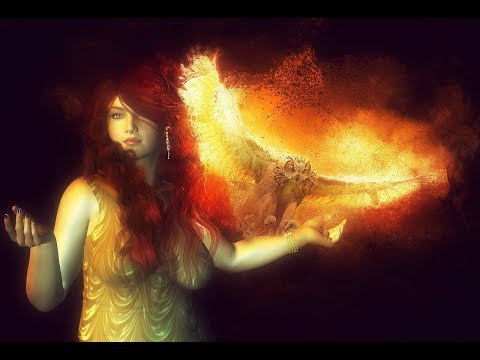
People have always linked owls to both wisdom and darkness. Their nighttime habits and spooky calls made them seem mysterious.
That mystery led to beliefs about owls involving death, evil spirits, or bad luck.
Greek and Roman Influences
In Greek myths, people mostly saw owls as wise, thanks to their connection with Athena, the goddess of wisdom. Athena’s little owl stood for intelligence and protection.
But not every owl got a good reputation. Some, like the barn owl or long-eared owl, were tied to death and darkness.
Romans picked up a lot of Greek beliefs. They also saw owls as bad omens. If you saw an owl near your home, it might mean death or misfortune was coming.
The European eagle owl, called hibou grand-duc in French, scared people with its size and haunting call.
Religious Interpretations and Legends
Different religions had their own takes on owls. In Christianity, people sometimes saw owls as symbols of evil or even the Devil, mostly because they flew at night and kept quiet.
The Old Testament links owls with desolation and darkness, which made their reputation even worse.
Medieval legends painted owls as witches in disguise or evil spirits. Their silent flight and glowing eyes made them seem unnatural, almost supernatural.
But not every culture agreed—some saw owls as guardians against evil spirits. The truth is, people have always felt a mix of fear and respect for these mysterious birds.
Native American and Global Myths
For many Native American tribes, owls mean different things—sometimes good, sometimes not so much. The Hopi, for example, thought owls had ties to sorcery and death.
People noticed how the burrowing owl lives underground, so they connected it to the spirit world. Some even saw it as a warning of danger.
You’ll find owls in cave paintings and ancient legends all over the world. Folks often link them to mystery or change.
In African and Asian myths, the eagle owl and other big owls show up as omens of death. But then, other cultures view owls as protectors or messengers for spiritual awakening.
Key owl species related to evil symbolism:
- Barn owl
- Little owl
- Long-eared owl
- European eagle owl
- Burrowing owl
It’s kind of fascinating how your view of owls can shift once you see all the stories people have told about them across the globe.


