
Ever wondered when owls get the most vocal? The answer might not be what you expect. Owls really ramp up their hooting during late fall and winter, especially from November through January.
They call out often during these months to attract mates and stake out their territories.

On cold, quiet nights, their hoots seem to carry for miles. There aren’t as many leaves or background sounds to muffle them.
If you want to catch their calls, try listening around dusk or right before dawn. That’s when you’ll have the best chance to hear those eerie, unique sounds.
It’s a cool way to connect with nature’s night singers—even if you’re just listening from your backyard.
When Owls Are Most Vocal: Seasonal Patterns

Owls hoot to mark territory, find mates, and talk with each other. You’ll notice their calls change with the seasons and even at different times of day.
Each species, like great horned owls and barred owls, has its own hooting style. Their habits really show off their personalities.
Peak Hooting Months and Why
You’ll hear the loudest hooting from late fall through winter. In autumn, owls settle into winter territories and start calling more to warn off rivals and attract partners.
Great horned owls really get going in December and January. Barred owls also get chatty when the weather’s cold.
This uptick in noise marks the beginning of breeding season, which stretches into early spring.
Calm, still nights make it easier to hear them. Wind or city noise can drown them out, so quieter nights are better.
How Breeding Season Triggers Hooting
Owls hoot a lot to find mates and defend their turf. Breeding season kicks off in winter, and females lay eggs in February or March.
Male owls belt out deep hoots to claim their spot. Females answer back, kind of like a duet between the pair.
Sometimes, males have “hoot-offs” to size up their competition. It’s a way to avoid fighting by showing off their vocal power.
Both male and female owls get in on the action, which is pretty different from most birds where only the guys sing.
Daily Rhythms: Dusk, Dawn, and Night Activity
Owls mostly come alive at night. You’ll hear them best just after sunset or right before sunrise.
They like the quiet because their calls travel farther then. Barred owls might hoot during the day, but that’s pretty rare.
Their big eyes and sharp hearing let them move and hunt in the dark without making a sound.
Honestly, if you’re hoping to hear them, aim for twilight or nighttime. That’s your best shot.
Owls turn autumn nights into haunting symphony of sound
It’s Hooting Season for Great-Horned Owls – Saint Paul Bird Alliance
Hooting Behaviors Among Different Owl Species
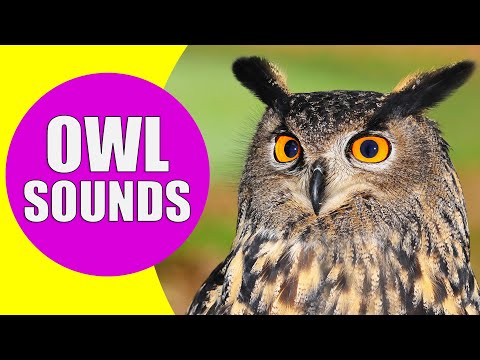
Owls use hoots and other calls to talk about territory, find partners, and warn others away. The way they call and when they do it can really change depending on the species.
Some owls are loudest and most active in the cold months. Others might call all year or move around and follow different patterns.
Great Horned Owl Calling Habits
Great horned owls start hooting more in late fall and keep it up through winter. You’ll probably hear their deep hoo-hoo hoo, hoo-hoo pattern echoing through the night.
This calling peaks between October and January. That’s when they’re setting up nests and getting ready for chicks.
You’ll notice their calls are clearest on cold, quiet nights. Even though they call all year, the hoots get louder and more frequent in winter.
They sometimes bark or screech, but that signature low hoot really stands out during hooting season (more here).
Barred Owl Vocal Patterns
Barred owls have their own style. Their call sounds like Who cooks for you? Who cooks for you all?—it’s a bit rhythmic and kind of catchy.
They hoot pretty steadily all year, but you’ll hear more from them in fall and winter. Their calls help set boundaries and keep pairs close.
You might catch some loud hoots and whistles mixed in. Barred owls stick to forests, so their calls bounce around the trees. If you’re near the woods, listen for that classic call to spot one nearby.
Snowy Owl Hooting and Migration
Snowy owls usually hoot in the winter and early spring, especially when they’re breeding. Their calls sound deep and kind of harsh—think of a hoot that repeats a few times in a row.
You’ll notice they hoot more when it’s cold. These birds stick to Arctic or northern places, so their winters drag on longer than most.
Snowy owls don’t just stay put, though. They travel, and sometimes their hooting gives away their location as they head south in fall or back north when spring rolls around.
Since snowy owls hunt during the day, you might catch their hoots at odd hours—definitely not just at night like many other owls. If you ever hear that distinctive hoot while they’re on the move, it’s a pretty special moment.


