
Ever spotted an owl and wondered if it’s a sign of good luck or maybe something less fortunate? You’re definitely not alone. Owls mean different things to different people, and honestly, whether they bring luck depends a lot on where you are and who you ask.
Some folks see owls as good omens, while others think they’re warnings or even bad luck.
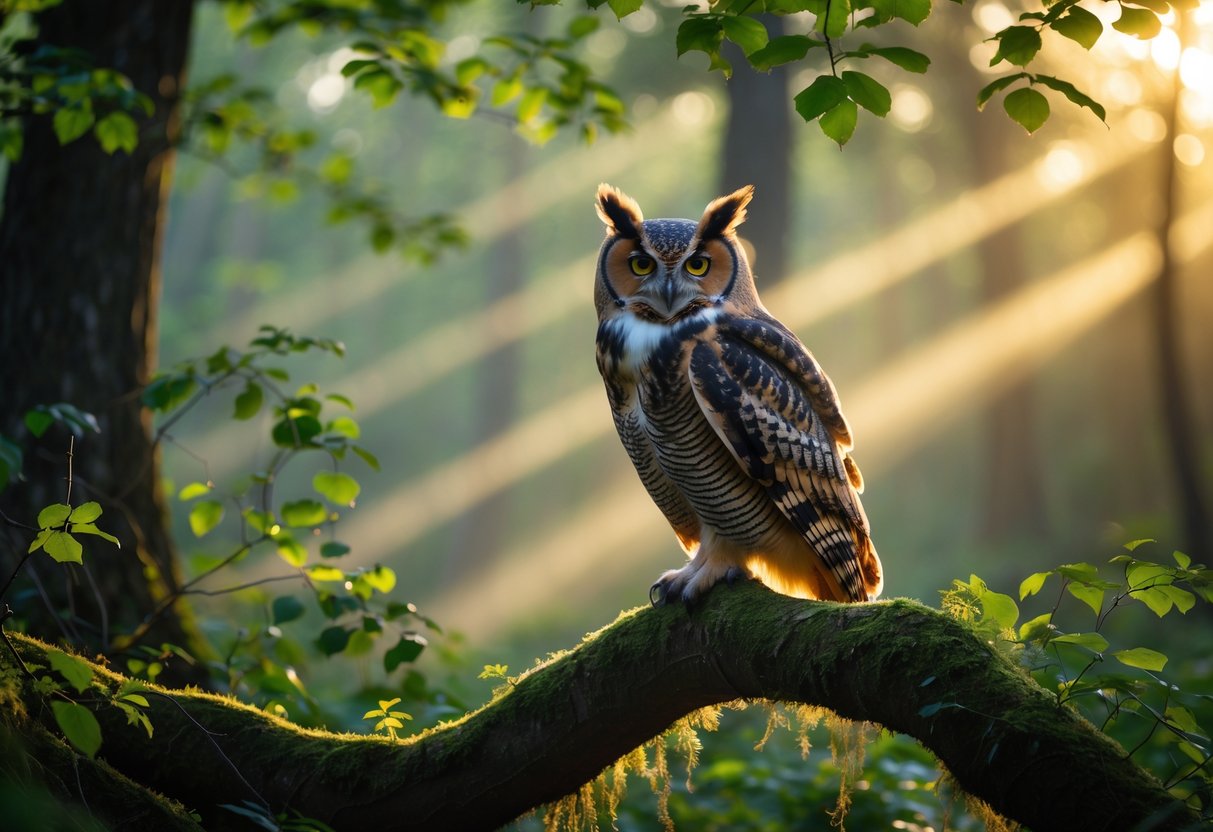
Take Japan and Guatemala, for instance—people there believe owls bring luck and prosperity. But in plenty of other places, people tie owls to mystery or even misfortune.
Your own opinion might shift once you dig into why these nighttime birds spark such different beliefs.
Learning about these ideas can give you a much richer sense of what owls really mean. If you’re curious whether seeing an owl is a lucky sign—or something else entirely—stick around. The stories behind these birds might just surprise you.
Do Owls Represent Luck Across Cultures?

Different cultures see owls in their own unique ways. Some people think owls bring good fortune, protection, or even fertility. Others connect them with death or bad omens.
Where you’re from and the stories you’ve heard shape how you see owls.
Symbolism of Good Luck and Good Fortune
In lots of places, people say owls bring luck and wealth. Some believe owls help you find peace and success in life.
You’ll see folks carrying owl charms, hoping to attract prosperity or guard their fortune.
In Japan, owl charms are everywhere because people think they keep away suffering and bring luck. It’s kind of nice to imagine that seeing an owl or carrying its image means good things are headed your way.
People also link owls to wisdom, seeing them as guides to better choices and, hopefully, a little more success.
Protection and Adaptability in Owl Lore
Owls show up as protectors in plenty of stories. Their night vision stands for watching over you during tough times.
Owls teach us to stay alert and adapt when things get hard.
Their silent flight and sharp senses make them symbols of protection. Some Native American groups respect owls for warning of danger or shielding the community.
You could say owls represent safety and cleverness, giving you a little courage to face whatever comes next.
Beliefs About Fertility and Fortune
Some cultures connect owls to fertility and hopes for a healthy family. Owls can stand for blessings of new life and prosperity at home.
In early Indian folklore, owls show up as wise helpers who encourage growth and fertility. That ties them to both physical and spiritual good fortune.
Stories sometimes show owls helping families or whole communities thrive, hinting at new beginnings and a hopeful future.
Bad Luck, Death, and Omens
Of course, not everyone sees owls as a good sign. In some places, people think owls signal death or bad luck.
Many Native American tribes link owls to the spirit world or death. The Navajo, for example, see owls as messengers connected with death.
Other groups, like the Hopi, sometimes see them differently—maybe even as a sign of good news. Some believe owls warn of disaster at home.
Owls also appear with figures like Mictlantecuhtli, the Aztec god of death, tying them to the afterlife. Depending on your culture, owls might feel like a warning.
Wisdom, Myths, and Famous Owls

Owls have always been wrapped up in symbols of wisdom and mystery. You’ll find them in stories, religious texts, and even city parks.
Their reputation comes from their quiet ways, strange abilities, and the special places they call home.
Owls and Wisdom in Ancient and Modern Symbolism
A lot of people know owls as a sign of wisdom. The Greek goddess Athena, for example, has a strong connection to owls.
Owls stand for knowledge and clear thinking. Their night vision makes people think they have access to secret knowledge.
That idea stuck, and now you’ll often spot owl images in schools or libraries. People hope owls help with insight or learning.
Some myths even give owls magical powers. This blend of wisdom and mystery keeps owls interesting, both in old legends and today. If you want to go deeper, check out their role in Indian folklore and global myths.
Notable Owls: Eurasian Eagle-Owl and Their Stories
The Eurasian eagle-owl is one of the biggest owls you’ll ever see. It lives all over Europe and Asia and shows off just how strong and skilled owls can be.
These birds hunt with serious silence and sharp eyesight. People admire them for these traits, and they show up in all sorts of local stories.
If you want to see real owls in action, Eurasian eagle-owls often appear in wildlife parks or documentaries. They remind us that owls aren’t just wise—they’re also tough survivors.
Owls in the Bible and Leviticus 11
Owls even pop up in the Bible, especially in Leviticus 11, which lists animals considered unclean. The text mentions owls along with other birds people shouldn’t eat.
In that setting, owls symbolize desolation or abandoned places. This gives the owl a more somber image in some religious traditions.
It’s a big contrast to the wise guide role owls play in other stories. When you look at all these views, it’s clear owls mean different things depending on the culture.
Owl Habitats: From Owls’ Nests to Central Park
Owls live all over, from deep forests to big cities like New York.
Honestly, it’s kind of wild that these birds will pick quiet corners—maybe a hollow tree or even an old, forgotten building—for their nests.
In places like Central Park, owls figure things out by hunting at night and tucking themselves away in trees.
Their nocturnal habits turn them into mysterious neighbors, even in the middle of all the city noise.
If you pay attention, you might catch a glimpse of an owl or hear one calling while you’re out in the park after dark.
Learning where owls hang out really shows how well they handle all sorts of environments.
For more about owl habitats, you can take a look at owls in spots like Central Park.


