
Ever wondered if owls nest all year? Well, it’s not a simple yes or no. Most owls don’t stick around their nests year-round. Instead, they come back to the same nesting spots during breeding season. They really just use these places to lay eggs and raise their young.
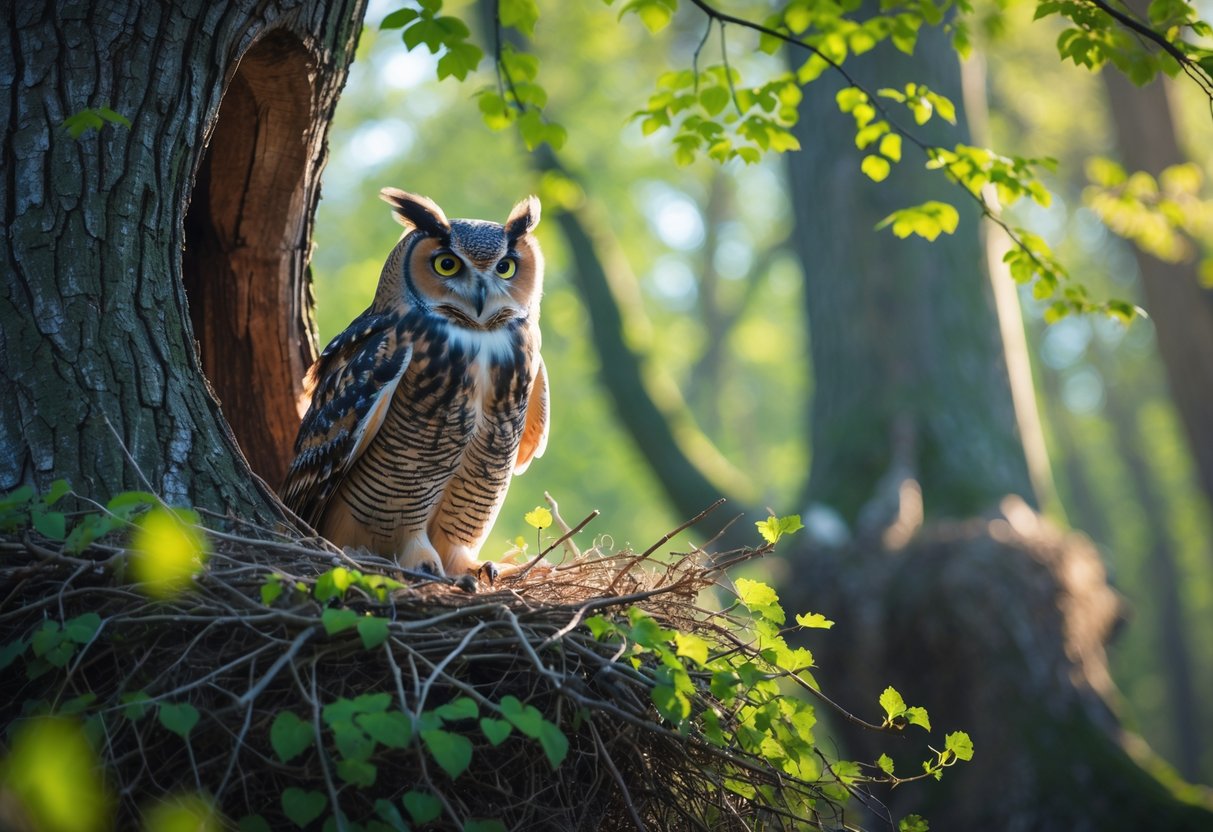
Owls tend to pick the same nest site year after year if nothing disturbs them. But when it’s not nesting season, they roost elsewhere—tree hollows, quiet corners, anywhere that feels safe.
If you want to spot owls, you’ll need to know when they start nesting and what kind of places they choose. Understanding these habits can really change how you notice owls in your area.
Do Owls Nest All Year Round?
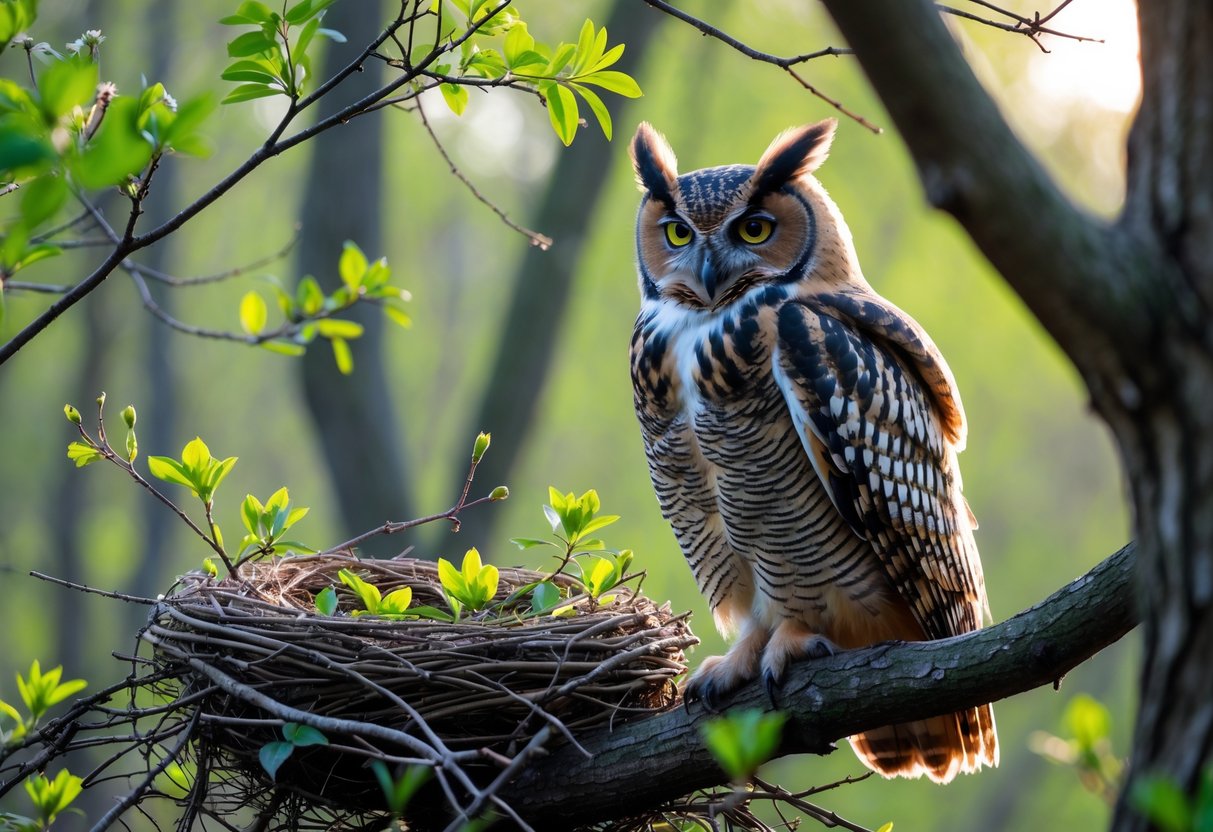
Owls usually pick specific times for nesting, though it depends on the species and where they live. Some owls start early in the year, while others wait for better conditions.
Your local owls might nest at different times, depending on food and weather. It’s not set in stone.
Typical Owl Nesting Season
Most owls kick off nesting in late winter or early spring. They time it so their young hatch when food is easier to find.
You’ll often spot owls laying eggs between January and April. The exact timing changes depending on your location and the owl species.
Great horned owls, for example, sometimes start as early as January if the weather’s warm enough.
Nesting usually lasts about one to two months. Once the owlets leave the nest, adults still care for them until they can hunt alone.
Species Differences in Nesting Timing
Not every owl follows the same schedule. Barn owls, for instance, might nest later, waiting for spring or even early summer.
Great horned owls often nest in winter or early spring. Barred owls tend to stick with the same nest site for years, which affects when they raise their young.
Barn owls can be pretty flexible. They might pick a new spot each season but will return to old nests if they’re still safe.
Territory size and local climate also matter. So, your area’s owls could have a nesting schedule that’s unique to them.
Factors Affecting Owl Nesting Periods
Food plays a huge role in when owls nest. If prey is plentiful, owls might nest earlier or raise more chicks.
When food’s hard to find, they might wait longer before nesting. Weather has an impact too.
Harsh winters can push egg-laying back until it warms up. In milder climates, nesting might start sooner.
Owl pairs often come back to the same territory and nest site if it worked out before. This loyalty saves them the hassle of searching for a new spot.
Disturbances, like people or predators, might force owls to change their nesting time or location to keep their young safe.
If you want more details on how owls reuse nests and territories, check out this explanation about owls using the same nest and roost sites.
Owl Nesting Habits and Locations

Owls pick their nesting spots based on safety, food, and shelter. Some use old nests, while others scout out new places.
Their choices depend a lot on the type of owl and what’s around them.
Reusing Nests Versus New Nest Sites
Many owls stick with the same nest if it stays safe and quiet. Tawny Owls, for example, often come back unless animals or noise scare them off.
By reusing a nest, they save energy and don’t have to build a new one each year.
Still, some owls will move if the old nest isn’t safe anymore. Great Horned Owls might switch to new trees if prey or shelter changes.
You might also see owls using abandoned nests from other birds, skipping the building process altogether.
Role of Habitat and Climate in Nesting
Where owls live shapes their nesting habits. Forest owls like Barred Owls look for old trees with natural holes or cavities.
These spots keep eggs dry and safer from predators. Climate matters too.
In colder places, owls pick spots that offer more warmth and protection. If your woods have lots of old trees, you’re more likely to spot nesting owls there.
In warmer areas, some owls might nest in ground burrows or even rock crevices. It really depends on what’s available.
Preferred Nest Sites by Owl Species
Different owl species have their own favorite nesting spots.
- Great Horned Owls: They usually pick big trees and sometimes just take over old nests from hawks or other birds.
- Barn Owls: You’ll often find them nesting inside old barns, abandoned buildings, or tucked away in tree cavities.
- Tawny Owls: These owls stick to quiet woodlands and seem to love tree holes they can return to every year.
- Burrowing Owls: They nest underground, using burrows that other animals made or sometimes just natural holes.
If you know what each species prefers, you’ll have a better shot at finding where owls might be raising their young nearby.
Curious for more? You can check out more details on where do owls nest.


