
When you hear an owl screech, it usually means something odd or important is happening nearby. A lot of people see the owl’s screech as a warning or a sign that something serious could be going on—sometimes even connecting it to bad news or death.
Owls screech to talk to each other or guard their territory. That piercing sound really grabs your attention, right?
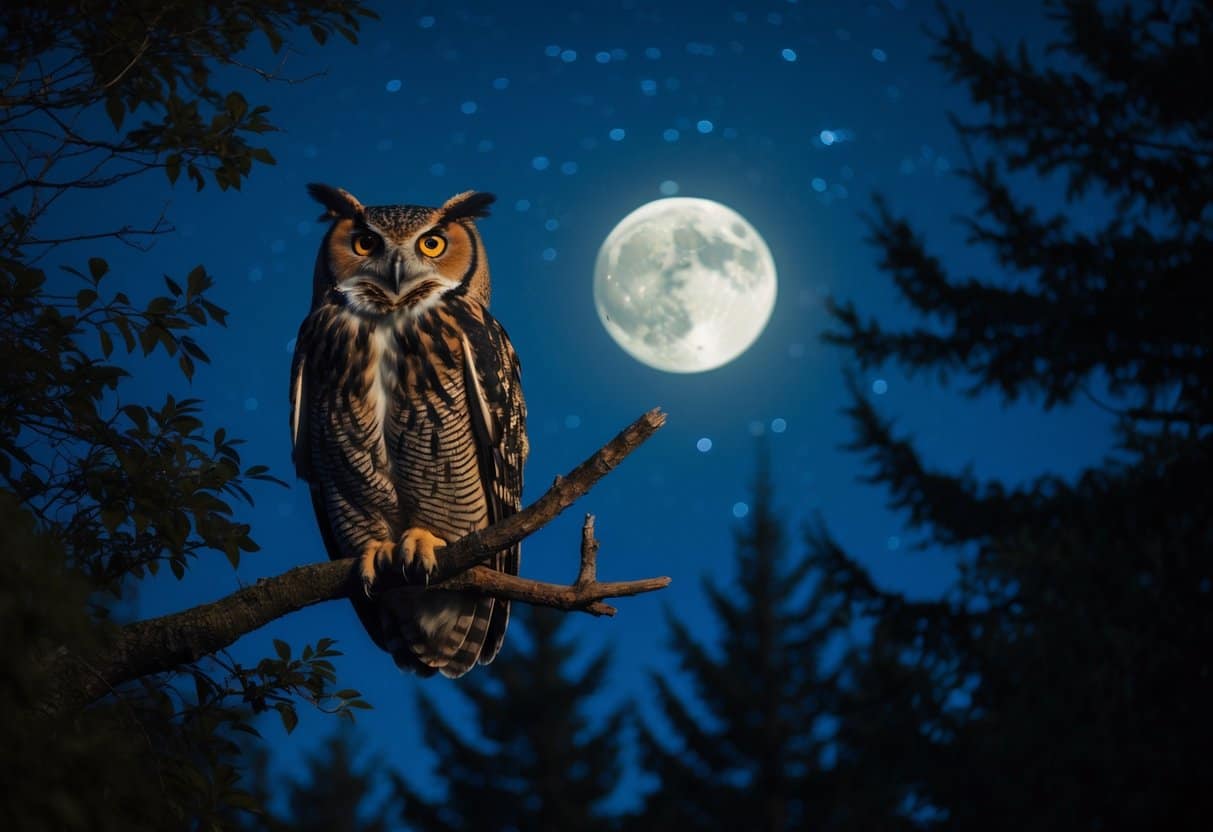
Maybe you feel curious, or maybe that eerie sound just makes you shiver a little. Barn owls, especially, let out screeches to claim their space or send a message. That sharp call slices through the night, and honestly, it’s tough to ignore.
If you want to figure out what that screech means, there’s a lot more to it than just noise. There’s some real science and plenty of stories behind it.
For more details, you can dive into this guide on What does an owl screeching symbolize?.
Understanding Owl Screeching: Meanings and Interpretations
Hearing an owl screech at night can really catch you off guard. There’s a reason for these sounds, and they’re not all the same.
Some people say there’s meaning behind them, and honestly, it’s pretty interesting how much these calls differ from hoots.
Common Reasons Owls Screech at Night
Owls screech to communicate. You’ll probably hear barn owls or screech owls marking their territory or warning others to back off.
If an owl feels threatened, it’ll screech to protect its home.
Young owls—like baby long-eared owls—screech when they’re hungry. That call helps their parents find them in the dark.
Most owls stay active at night, so that’s when you’ll hear screeching. If it happens every few nights, there’s probably an owl close by defending its turf.
Symbolic and Cultural Beliefs About Screeching Owls
Some cultures connect an owl’s screech with bad luck or even death. For instance, certain traditions claim that if you hear an owl screech near your house, someone might die soon.
But let’s be real—these are just old superstitions. Owls screech for their own reasons, not to predict the future.
The myths probably started because the screech is so haunting and sharp. It stands out from other birds, for sure.
You can read more about these beliefs here: what an owl screech means.
How Owl Screeches Differ From Hoots and Other Calls
Not every owl screeches. Barn owls are famous for their high-pitched, almost scream-like calls, which don’t sound like a hoot at all.
Most people picture owls hooting, but long-eared owls and screech owls mix it up with different sounds. Hoots are usually softer and meant for attracting mates or signaling that things are calm.
Screeches are loud and sharp, almost like a scream. They’re meant to warn or scare, not to have a friendly chat.
These calls help owls survive and keep their space safe.
| Owl Type | Sound Type | Purpose |
|---|---|---|
| Barn Owl | High-pitched screech | Warning, territory defense |
| Screech Owl | Sharp screech | Alarm, communication |
| Long-eared Owl | Soft hoots, screeches | Mating calls, warnings |
Notable Owl Species and Their Screeching Calls
If you hear an owl screeching, the meaning can change depending on which owl you’re dealing with. Each species uses its screech for different reasons—defending space, warning others, or maybe even calling to a mate.
There’s a lot of variety in both the sound and the reason behind it.
Great Horned Owls: Territorial and Warning Screeches
Great Horned Owls usually hoot in a deep voice, but their screeches are sharp and urgent. You’ll notice these screeches if they feel threatened or want to warn animals to keep away from their territory.
That harsh, loud sound really does the trick for scaring off intruders.
If you live in North America, you might hear their screeches at night. They use these calls to communicate with mates or signal distress.
It’s a key part of how they survive.
Barred Owls and Their Distinct Sounds
Barred Owls are known for their “who cooks for you” hoot, but they’ll screech if something disturbs them. Their screech is higher-pitched and not as harsh as a Great Horned Owl’s.
You might catch this sound at night, especially if they think their nest or babies are in danger.
That screech works as a warning to predators or other owls. It helps them protect their home and stay in touch with family.
Barred Owls show up a lot in wooded areas, so if you’re near a forest, don’t be surprised if you hear both their hoots and screeches.
Snowy Owls: When and Why They Screech
Snowy Owls usually let out soft whistles or hoots, but sometimes they screech—especially if they feel alarmed or it’s mating season. Their screeches sound sharp and honestly, they can carry across the open tundra like you wouldn’t believe.
You’ll probably hear them more often in winter. That’s when they get busy hunting and defending their territory.
These owls screech to warn other snowy owls or to scare off predators. It doesn’t happen as often as their usual calls, but it really matters when things get tense.
If you ever find yourself up north, try listening for that screech. It might just tip you off that a snowy owl is nearby.
| Owl Species | Screech Type | When You Hear It | Purpose |
|---|---|---|---|
| Great Horned | Sharp, loud screech | At night, when threatened | Territory defense, warning |
| Barred | Higher-pitched screech | Disturbance or nest protection | Warning, family communication |
| Snowy | Loud, sharp screech | Mating season, alarm situations | Warning, territory defense |


